
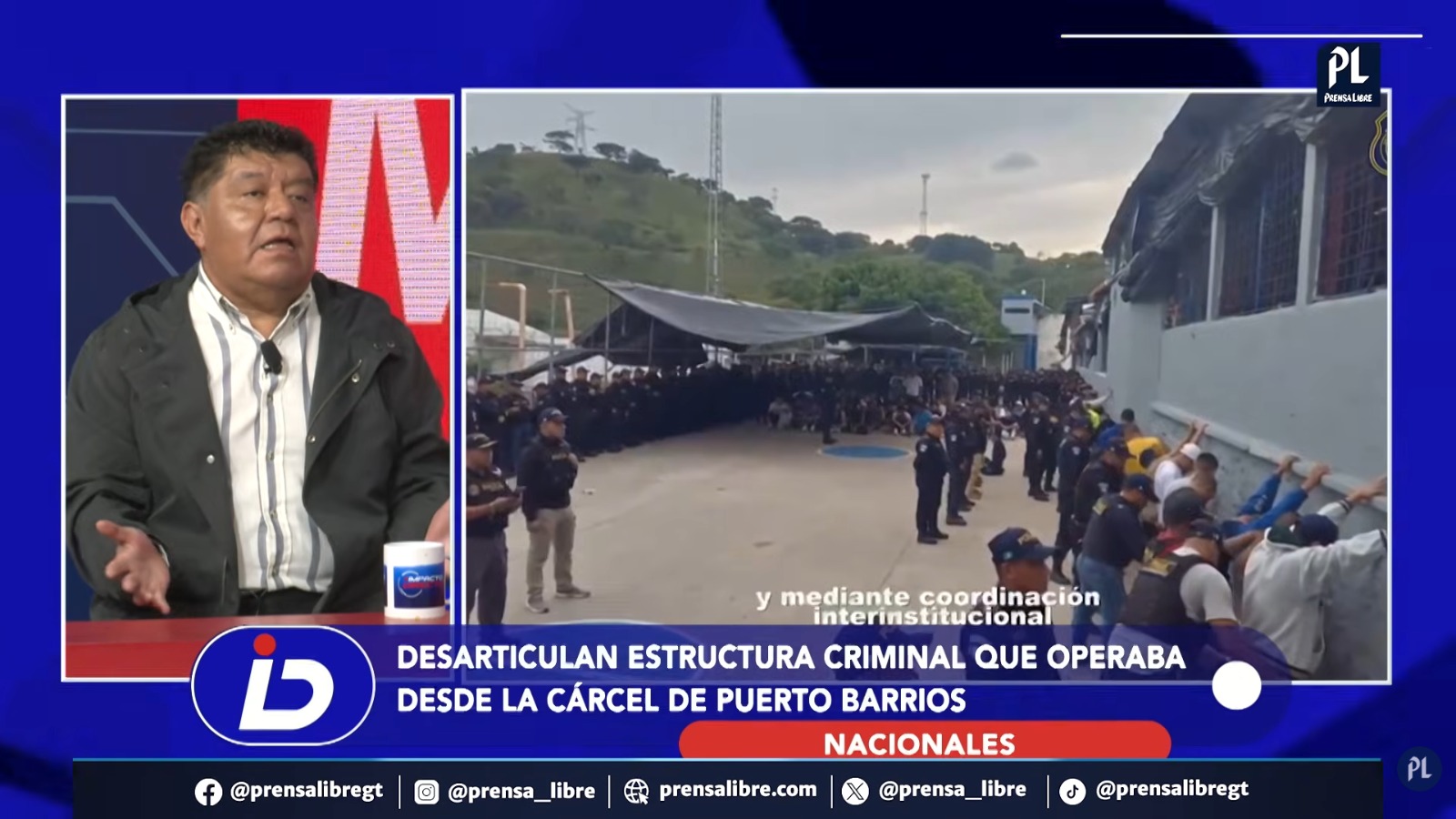
The National Civil Police (PNC)he Penitentiary System (SP)he Ministry of the Interior (Mingob) and the Guatemalan Army They carried out an operation in the Preventive Detention Center Puerto Barrios, Izabalwhere they transferred to 56 deprived of liberty designated to integrate a structure dedicated to drug dealing, hitmen and human trafficking.
According to the authorities, the criminal group coordinated violent acts from the prison to different parts of the country, including the department of Guatemala, under the orders of Roberto Gordillo Coronadoalias La Mingawho continued to direct the organization from the maximum security center Renewal I.
During the searches, the authorities located 57 cell phonesa internet routersolar panels, communication radios, televisions, sharp objects, clandestine liquor and drugs. In addition, they demolished structures illegally built inside the prison.
The intervention also resulted in an alteration of the order that left three prisoners deceasedafter a group tried to regain control of the prison center.
During the program Direct Impactof Guatevisionthe case was analyzed by specialists, who agreed that the operation exposed weaknesses in the Penitentiary Systempossible acts of corruptionfailures in internal controls and the risks posed by criminal structures continuing to operate from prisons to the outside.
They question how a criminal structure operated inside a prison
The lawyer and security and development expert, Luis Villegasstated that the case shows a serious loss of control by the State within penitentiary centers.
“The most worrying thing is how it is possible that in a prison center we have a structure of 34 members operating within a facility that is supposed to be controlled by the State.”
Villegas questioned how the members of the organization were able to access cell phones, Internetbalance for communications and even coordinate the entry of people to the prison. In his opinion, these elements evidence an organized structure that operated with resources and logistics within a center that should be under state control.
They warn of risks of corruption and expansion of organized crime
The journalist Roxana Sanchez He pointed out that the case also requires investigating possible responsibilities of those who allowed the criminal structure to operate within the prison.
“What does that Inspectorate do? Because in addition to hiring the guards, shouldn’t they also check who the corrupt police officers are?”
Sánchez indicated that the entry of communication equipment, drugs and other prohibited objects raises questions about the supervision and control mechanisms within the Penitentiary System.
For his part, the actor and comedian Jairon Salguero warned that the problem could worsen if permanent measures are not adopted.
“If they don’t stop this right now, it’s going to be a big snowball that in the end they won’t be able to control.”
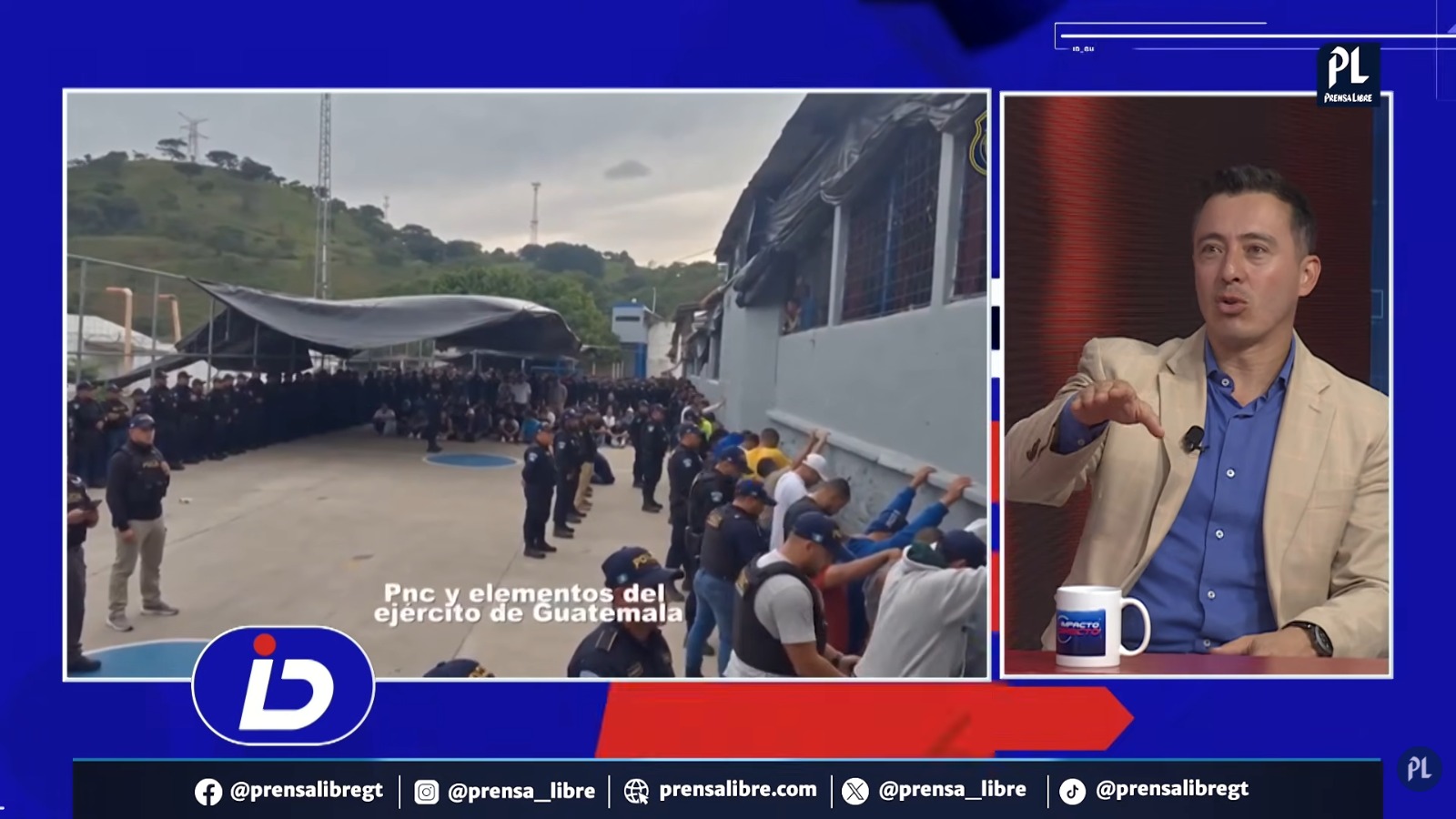
Meanwhile, the marketer and life coach Nydia González He highlighted that the structure had the capacity to coordinate crimes in different parts of the country.
“They are organized… imagine having extensive coverage from Izabal to zone 18.”
The panelist considered that the case reflects the level of organization reached by these structures and the need to strengthen controls to prevent detention centers from continuing to be used as centers of criminal operations.
Authorities maintain that the actions will continue
The Ministry of the Interior stated that the transfers and searches are part of a strategy to dismantle criminal structures that operate from prisons and reduce crime rates. Furthermore, he assured that the State will respond to any reaction from these organizations and will continue with actions to regain control of the penitentiary centers.
*Stay up to date with the Now newsletter. Key information at the moment it happens. Subscribe here.