
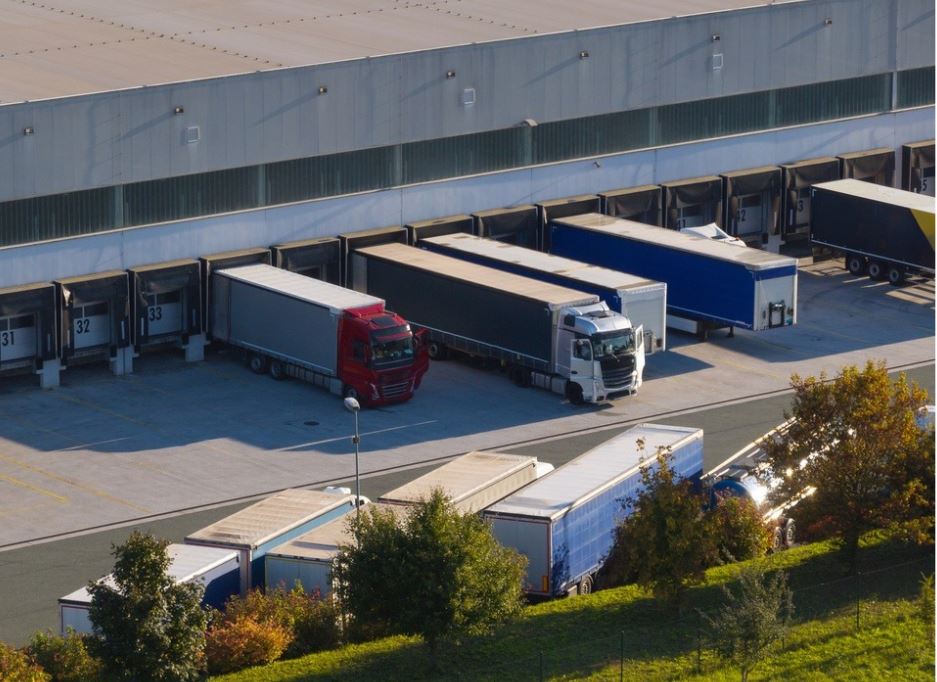
While the Congress of the Republic is preparing to hear a proposal for a state subsidy of Q12 per gallon of diesel, the productive sector begins to calculate the impact that this measure could have on the national logistics chain, with emphasis on the transportation of people and goods.
Although diesel is not the only fuel used by productive activity, it does represent a transversal input for national production. For example, it is the petroleum derivative used for the land transportation of raw materials, finished products, food, beverages, agricultural inputs and merchandise to all departments.
In the current circumstances, marked by the extraordinary increase in international prices, a temporary measure could help contain the immediate pressure on logistics costs and prevent this from being immediately transferred to the price paid by the consumer.
Diesel subsidy would alleviate logistics costs
Within the scheme of logistics operations and the real economy, there is a transmission of the effect of the subsidy throughout the production chain.
CONTENT FOR SUBSCRIBERS
The Guatemalan Chamber of Food and Beverages (CGAB) stated that this effect is transmitted throughout the entire production chain. “The price of diesel influences the transfer of raw materials, packaging materials, agricultural products, distribution, cold chain, supply of points of sale and final delivery to the consumer,” they stated when making the query.
The CGAB clarified that this provides a margin of maneuver for companies to maintain their operations, protect their working capital, avoid interruptions in supply and reduce the need to immediately pass on increases to the price of products.
Yese exemplified that, in the food and beverage industry, this effect is especially important because there is a constant logistics operation and, in many cases, products that need refrigeration, frequent deliveries and controlled times.
However, it was added that the subsidy contains a part of the impact of the increase, but does not eliminate the accumulated increases or other operating costs. Its main benefit is to reduce the speed with which the increase in fuel is transmitted throughout the economy.
Rising fuel prices drive up transportation costs
Claudia de Del Águila, Director of Export Environment Advocacy of the Guatemalan Association of Exporters (Agexport), stated that, according to official data and conversations, it is difficult to provide information on mileage or consumption, because there are different performances depending on the type of engine, the route, the load, the weight, the configuration of the equipment, among other factors.
The cost of fuel, after the increases in recent weeks, has caused an increase of between 15% and 20% in logistics costs directly, solely due to fuel consumption, confirmed the director.
He added that other inputs, such as lubricants, tires and spare parts, also increase in price and that, when fuel registers a decrease, these costs do not decrease.
In any case, the only way to support it is to transfer it to the rates of services we provide or to stop operations. The final effect is that the logistics chain becomes excessively expensive in some sectors, with irreversible damage to the national economy.
The price of diesel influences the transfer of raw materials, packaging materials, agricultural products, distribution, cold chain, supply of points of sale and final delivery to the consumer.
“This is a really serious issue and has a strong impact, but it has many edges that make it more complex than it seems if the transportation sector is already being strongly affected by all the other issues such as poor infrastructure, vehicle restrictions, complexity and customs discretion. At the moment, we are the Central American country with the most expensive km cost than our neighbors,” he considered.
For example, a trip from Guatemala City to Santo Tomás de Castilla may require around 32 gallons. This implies that, as of July 8, when a gallon of diesel cost Q35.78, the trip had an approximate cost of Q1,145 in fuel. That same trip, as of July 28, with a price of Q43.78 per gallon, could cost approximately Q1,401 in fuel alone.
In any case, this will depend on the performance of the engine, which in this example is seven kilometers per gallon.
Diesel hike reduces impact of subsidy
The logistics consultant, Guillermo Alvarado García, explained that the subsidy authorization process is slow, while fuel prices increase immediately. This causes relief to arrive late and have less impact.
CONTENT FOR SUBSCRIBERS
In his opinion, there is a gap in consumer perception: increases are applied quickly, but discounts take days to be reflected.
Consequently, he said that the subsidy can be quickly absorbed by subsequent increases, which are generally recorded daily, which limits their positive effect on the supply chain.
In any case, the impact is transmitted in the form of higher transportation and distribution costs, which inevitably have an impact on the final prices of the products.
Companies adjust logistics due to rise in diesel
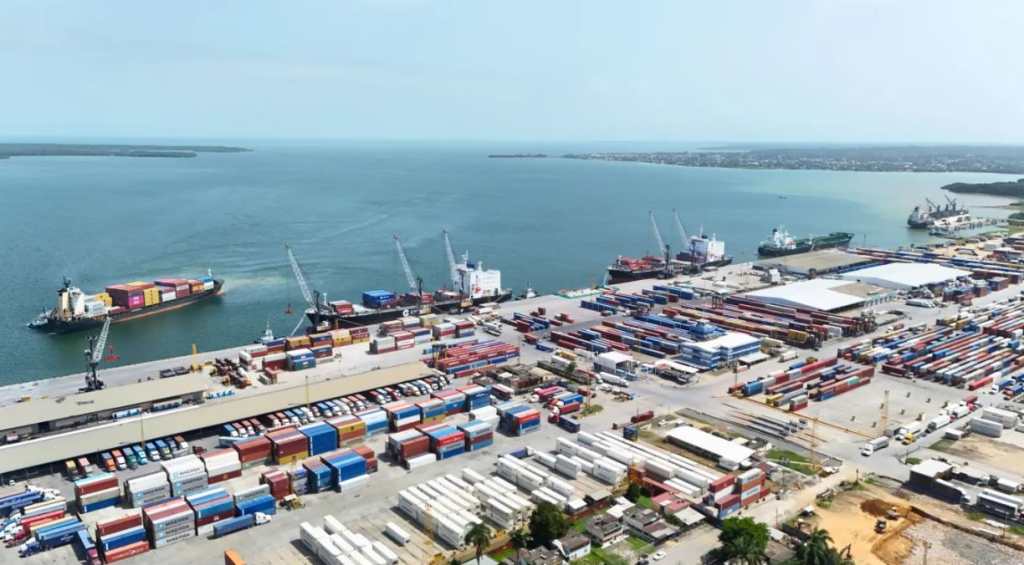
Given the increases observed in recent weeks, especially in the price of diesel, whose cost already reaches Q43.78 per gallon, companies are adopting a series of emerging measures in their fleets.
The Guatemalan Chamber of Food and Beverages (CGAB) confirmed that Companies are strengthening their operational efficiency processes.
Among the main measures are route optimization, consolidation of deliveries, better use of cargo capacity, preventive maintenance of units and more precise monitoring of fuel consumption.
Dispatch frequencies, inventory levels, conditions with carriers and suppliers, as well as closer supply alternatives that allow for reduced routes, are also reviewed.
“Many companies are absorbing part of the increase through reductions in their margins and productivity improvements, ensuring that price adjustment is the last alternative. However, this capacity is not unlimited, especially for small and medium-sized companies, which have less financial margin to face prolonged increases,” they explained.
Logistics consultant Guillermo Alvarado García explained that companies are adopting efficiency measures to mitigate the impact:
- Route optimization to reduce unnecessary trips.
- Readjustment of schedules to avoid traffic and excessive fuel consumption.
- Consolidation of orders or deliveries to increase cargo capacity per trip.
- Preventive maintenance of vehicles.