
A former Guatemalan mayor faces nearly a decade in a US prison. Federal prosecutors in the United States have asked for a sentence of 108 months, or nine years, for Romeo Ramos Cruz, former mayor of Santa Lucía Cotzumalguapa, in Escuintla, after he pleaded guilty to conspiracy to import cocaine, local outlet Soy502 reported on Thursday, November 26.
The case
Ramos Cruz was arrested in Guatemala on May 15, 2025 and extradited to the United States on August 4, 2025. He pleaded guilty on July 27, 2026.
Court documents filed on November 24 in Washington, D.C., state that between November 2022 and March 2023 Ramos Cruz held in-person meetings in Guatemala City and video calls to negotiate cocaine shipments to the United States.
Cocaine dressed up as cement
According to US authorities, on one occasion the then mayor helped disguise a shipment of cocaine coming from Venezuela as a cement delivery. He even issued an official letter from the municipality to avoid local inspections. That detail goes to the heart of the case: the use of public office to protect drug trafficking.
What prosecutors want
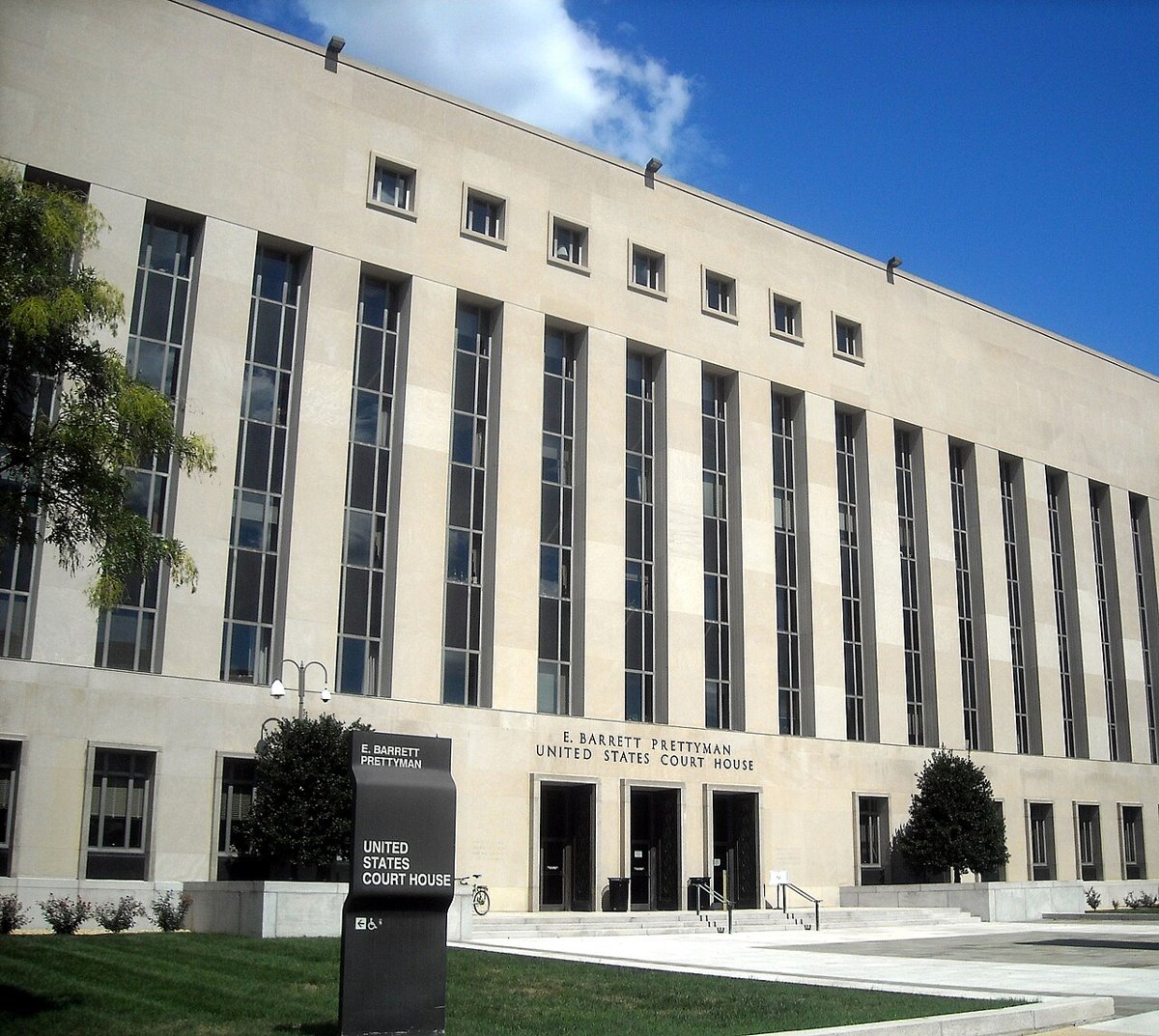
Besides the 108 months behind bars, prosecutors are asking for three years of supervised release. The sentencing hearing is scheduled for December 2 at the US District Court for the District of Columbia, where the judge will have the final word. Judges in the United States are not bound by the prosecution’s request: they weigh it against the defense’s arguments and federal sentencing guidelines, and the final sentence can be higher or lower.
Why it matters
Santa Lucía Cotzumalguapa is a municipality in Escuintla, on Guatemala’s Pacific side. The case adds to a list of Guatemalan local officials who have ended up before US courts for links to drug trafficking, and it shows how extradition has become a key tool for prosecuting those cases. For residents, the most troubling part is the official municipal letter: a document meant to serve the public allegedly used to shield an illegal shipment from inspection.
Under US practice, a guilty plea usually comes with an admission of the facts described by prosecutors, which is why the court filings now offer the most detailed public account of how the scheme worked.
The Guatemala Herald will report the sentence handed down on December 2.