

Health and family
Pain and constant discomfort in the upper abdomen are one of the main symptoms of gastritis. However, in some cases there are no symptoms.
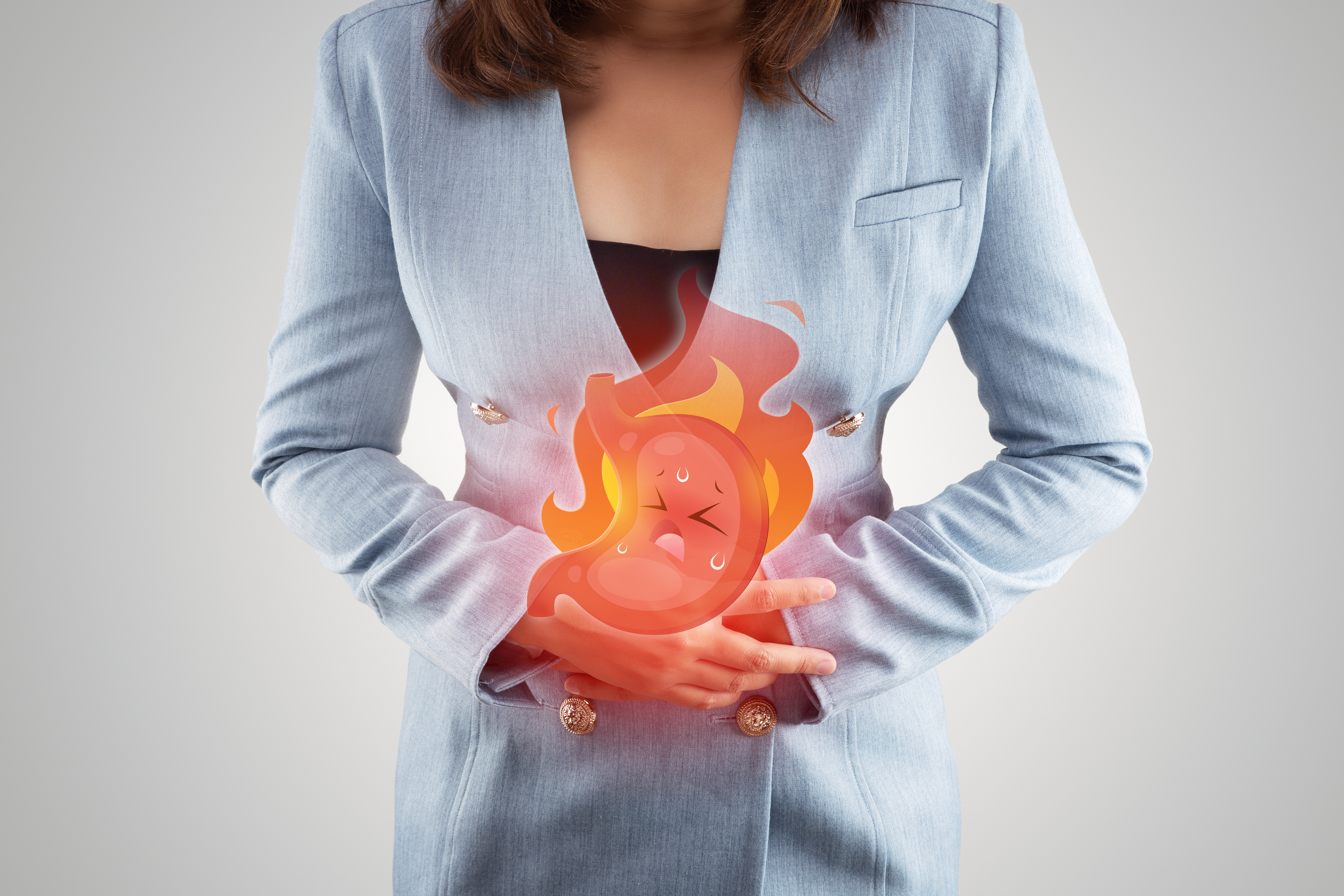
The most common symptoms of gastritis is burning and stomach pain, as well as nausea and little appetite. (Free Press Photo: Freepik)
Gastritis It is an inflammatory process in the gastric mucosa, that is, the stomach coating, explains Christian Klussmann, endoscopist and gastroenterologist with experience in attention to patients with gastric and hepatic problems.
The symptoms of gastritis They are very varied. However, one of the most frequent is ardent pain at the epigastrium level, that is, at the top or average of the abdomen.
Nausea and vomiting without presenting fever are another discomfort that a person with gastritis can experience.
Another common discomfort is acidity and gastric fullness, which is the feeling of being too full after eating. It is an uncomfortable and painful symptom, since it is often accompanied by other discomforts such as swelling, nausea, belching or loss of appetite.
On the other hand, there are also patients who can be totally asymptomatic and this causes not to seek help, says Klussmann.
A problem with various causes
“There is only one reason why a person suffers from gastritis,” says Klussmann. Gastritis can refer from different causes according to the circumstances or aspects of each person’s lifestyle.
- Helicobacter pylori infection: Some people suffer from infectious gastritis, which is produced by different microorganisms. The main and most common of them is Helicobacter pylori. According to the Pan American Health Organization (PAHO), “more than half of the world’s population is infected by this bacterium that causes chronic gastritis and that in 15 or 20% of cases causes peptic ulcers and gastric cancer.”
- Prolonged use of medications: There is gastropathy produced by reactions to some medications such as non -steroidal anti inflammatory. Among them are aspirin, ibuprofen and naproxen.
- Excessive alcohol consumption: Constant alcohol consumption is another of the most frequent causes of gastritis. Alcohol can irritate and erode the stomach, which makes it more vulnerable to digestive juices.
- By biliary reflux: It is a type of condition that occurs when bile returns to the stomach or esophagus. Bile is a digestive liquid that produces the liver and can damage the stomach coating.
- Of autoimmune origin: Autoimmune gastritis is a chronic disease that inflames the stomach mucous membranes. It occurs when the immune system attacks the stomach.
- Iron salts: Iron supplements can cause gastritis, although this is rare. This is known as “iron gastritis.”
- Other causes: In the list of factors that produce gastritis, viral, fungal and parasitic causes can appear.
“If you have pain in the stomach region associated with nausea and symptoms of gastric fullness, you must seek the help of a gastroenterologist,” concludes Klussmann. In this way, a professional evaluation can be carried out to have a steady diagnosis and finish the origin of gastritis.

Recommendations
Klussmann lists a series of tips to reduce the risks of acquiring gastritis, based on changes in our daily routines and lifestyle. These are:
- Respect feeding schedules
- Avoid water consumption that is not filtered or that has not been previously boiled. This will serve to avoid contaminating us from Helicobacter pylori
- Avoid tobacco consumption, alcohol or other drugs
- Avoid chronic use of medicines, especially non -steroidal anti inflammatory
- Seek help with a gastroenterologist if there are persistent symptoms, in order to look for a solution already to avoid complications