
.img_fo{ aspect-ratio: 16/9; width: 100%; height: self; margin-bottom: 8px; object-fit: contain; } .badge-pl-plus__md-and-lg__element-text{ font-family: “Acto-Tiny-Medium” !important; color: #0f213b !important; font-size: 12px !important; line-height: 15px !important; z-index: 2 !important; padding-top: 2px !important; padding-right: 2px !important; } .posted-on{ color: #474747; font-family: Acto-Small-Light; font-size: 14px; font-style: normal; font-weight: 300; line-height: 18px; } .ux-excerpt-post{ color: #474747 !important; font-family: Acto-Large-Light !important; font-size: 20px !important; font-style: normal !important; font-weight: 300 !important; line-height: 27px !important; }
Science
Artemis: when will it reach the Moon?
Taking astronauts to the lunar surface requires a lander built by SpaceX and Blue Origin, but both companies are experiencing delays.

|


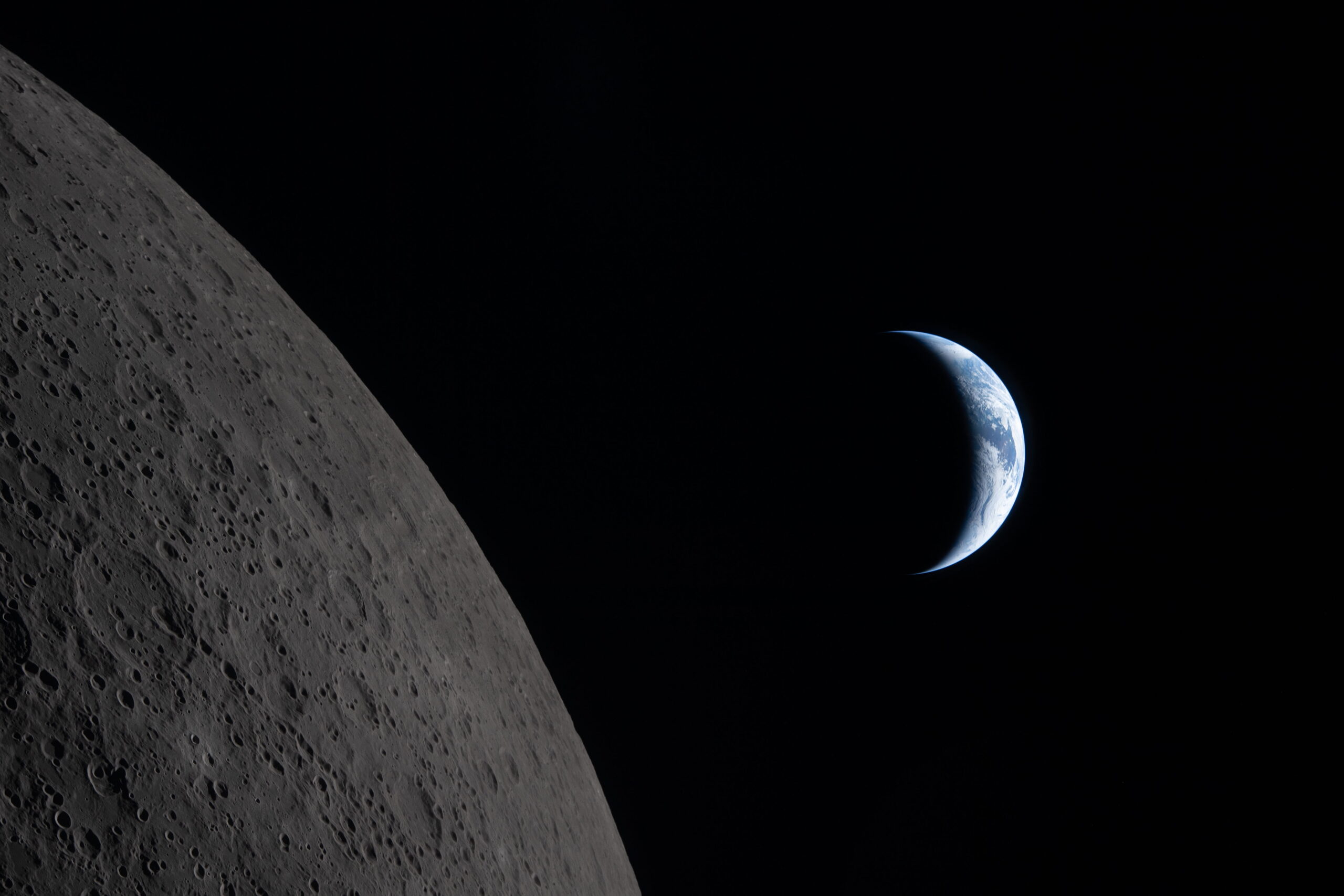
NASA image shows Earth about to pass behind the Moon. Image captured by the Artemis II crew during its lunar flyby. (Free Press Photo: EFE/EPA/NASA)
Photo:
document.addEventListener(‘DOMContentLoaded’, function () { const saveFavImg = document.getElementById(‘save-fav-img’); if (saveFavImg) { saveFavImg.addEventListener(‘click’, function () { const user = tp?.pianoId?.getUser?.(); if (user && user.uid !== ‘0’ && this.classList.contains(‘tosavefav’)) { const postIdInput = document.getElementById(‘id_post’); const post_id = postIdInput ? postIdInput.value : null; if (!post_id) return; ‘POST’, headers: { ‘Content-Type’: ‘application/x-www-form-urlencoded’, }, body: new URLSearchParams({ uid: user.uid, aid: post_id }), }) .then(response => response.json()) .then(data => { const actions = saveFavImg.querySelector(‘.actions’); if (actions) { actions.textContent = data.message; } sendPostMessageGtag({ event_label: ‘Saved article’, value: ‘1’, }, ‘saved_articles’); sendPostMessageGtag({ event_label: ”, value: ‘1’, }, ‘saved_articles_detail’); saveFavImg.classList.remove(‘tosavefav’); saveFavImg.classList.add(‘tomyfavs’); } }) .catch(error => { console.error(‘Request failed:’, error); }); window.open(‘https://www.prensalibre.com/mis-articulos/’, ‘_blank’);
NASA hired SpaceX, by Elon Musk, already Blue Originby Jeff Bezos, to build these modules, but the projects are experiencing delays.
SpaceX is developing a lunar version of Starship, 35 meters high, which is more than two years behind schedule.
“SpaceX’s Starship spacecraft and Super Heavy rocket are collectively known as Starship and represent a fully reusable transportation system designed to carry crew and cargo to Earth orbit, the Moon, Mars and beyond,” the SpaceX page describes.
This is the most powerful launch vehicle ever developed, capable of carrying up to 150 metric tons of reusable and 250 disposable cargo, according to that source.
For its part, Blue Origin is developing the Blue Moon Mark 2 spacecraft, which is more compact and eight months late.



“The MK2 crew and cargo landers will help establish a permanent presence on the Moon. They are manufactured and operated in accordance with NASA’s rigorous safety requirements,” explains Blue Origin on its website.
These modules must transport equipment, pressurized rovers and the first components of a base, which requires large quantities of propellant, explains BBC News in an article on the challenges of Artemis II.
The task is complex. However, the Artemis III mission is scheduled for mid-2027, according to the schedule of the United States space agency.