
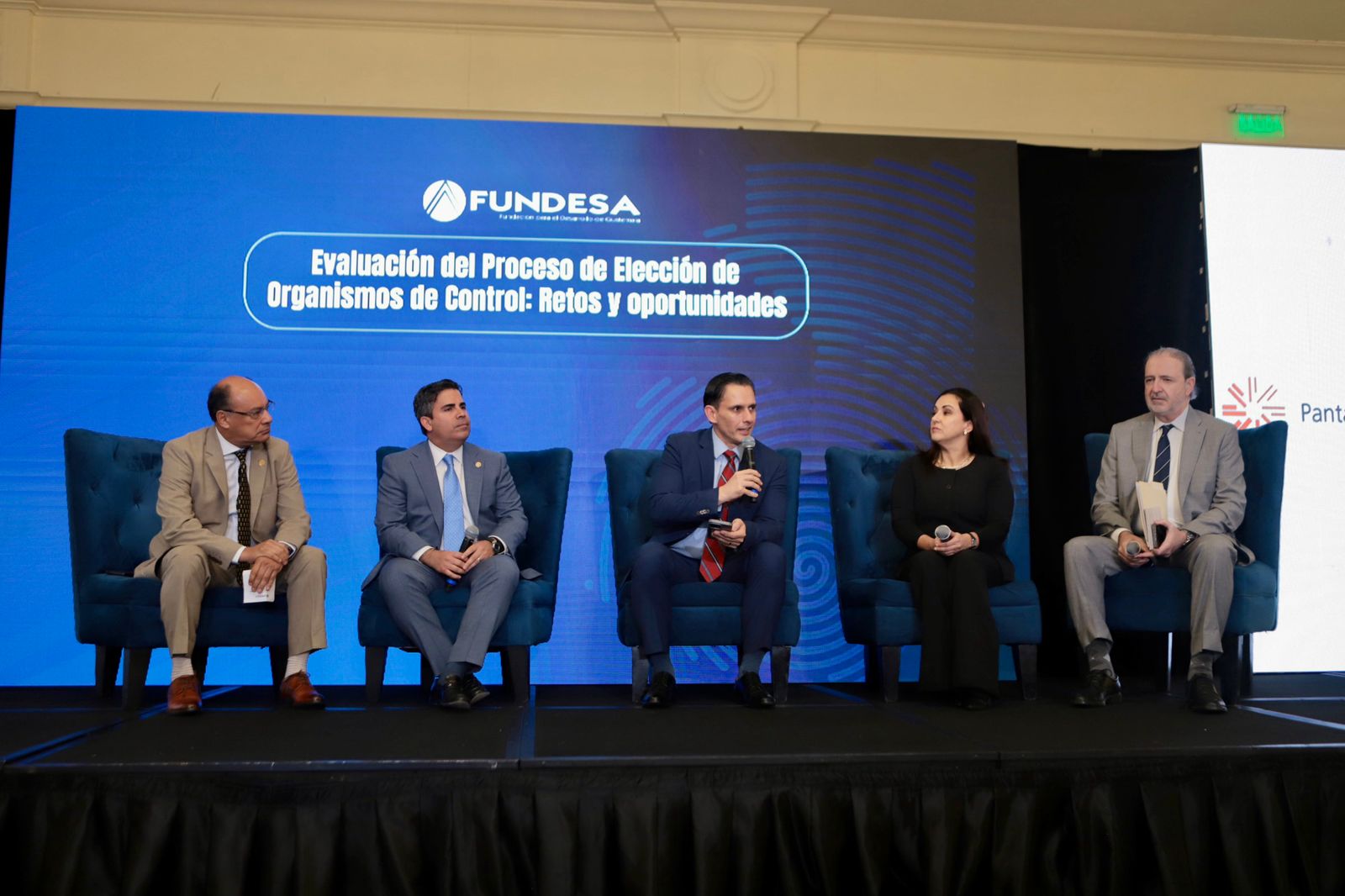
This year Guatemala renewed authorities in electoral and constitutional matters, but the processes expose fissures that warrant legal reforms, according to a panel made up of authorities from the renewed institutions.
They converged at a forum organized by the Foundation for the Development of Guatemala (Fundesa)which brought together experts to evaluate the challenges and opportunities of the recent second-degree elections.
This year, replacements were made in the Supreme Electoral Tribunal (TSE), Constitutional Court (CC) and the renewal of the Public Ministry (MP) is about to reach its final stretch.
For Mónica Marroquín, project director of Guatemala Visible, an organization that has been monitoring this type of processes for 17 years, it is positive that the constitutional deadlines for replacements are respected.
“Relative balance was achieved between actors. We do not see an ideological tendency, but rather a balance between the actors involved,” Marroquín explained the processes evaluated during 2026.
But there are also unfavorable factors for each process to flow correctly, “it needs modernization, to modernize processes,” said the expert in light of this series of problems.
The authorities who converged as panelists agreed with that reading, highlighting four problems that deserve to be addressed soon in future legal reforms.
- The judicialization
- Institutional weakness
- Lack of visibility
- Simultaneity
Judicialization
Luis Bermejo, substitute magistrate of the CC, participated in the event; Roberto Morales, chief magistrate of TSE; Rita Pérez Gálvez, president of the Electoral Tribunal of the College of Lawyers and Notaries of Guatemala (Cang); and Mario García Lara, executive director of Fundación 2020.
When asked about the second-degree elections, Bermejo explained that there are legal actions, some of them that have been, in his words, “inconsistent” in the processes seen in 2026.
“I see with concern the high judicialization of the processes. I see the inconsistent resolutions that have been issued, in the case of the attorney general and the election of Cang. We were able to appreciate how the election was judicialized with reasons that turned out to have no important basis,” said.
The CC considers that it is important to recover credibility, commenting that the current president of the Court plans to do an in-depth analysis of the cases they have resolved.
“An accusation against the CC is an apparent politicization of its rulings, I believe that the presiding judge Anabella Morfín has addressed the issue of carrying out a study of certain lines of rulings that have been analyzed and questioned,” he commented.
Institutional weakness
In 2023, the TSE faced one of its biggest questions as an institution, to the point that three years after those elections there are groups that continue to question the last votes, suggesting electoral fraud.
The current authorities assumed the leadership of a weakened TSE, having to prioritize all their efforts in doing an exemplary job for the 2027 elections, said Judge Morales.
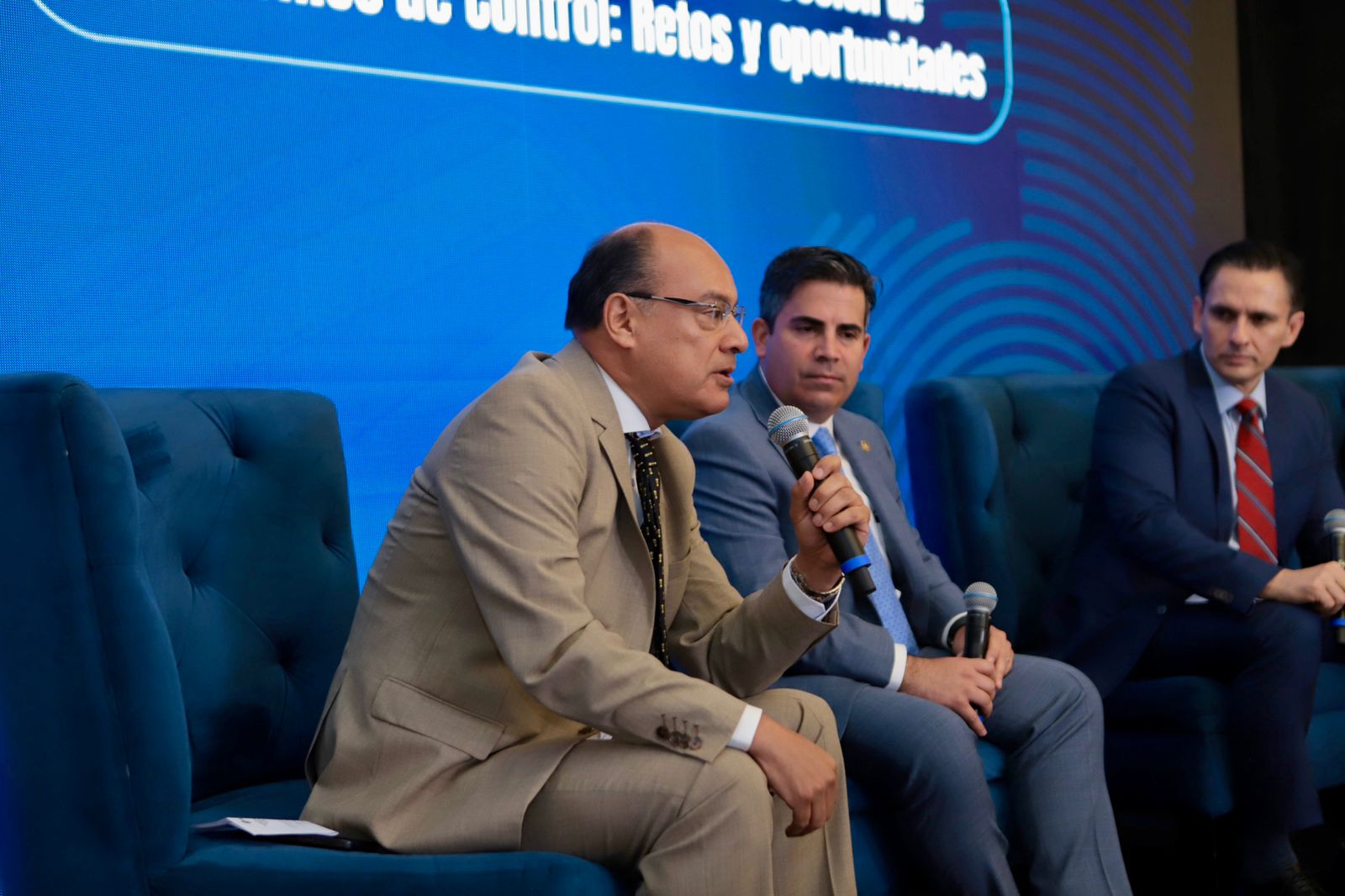
“The transition process was very poor, disastrous. We coincided with situations that we never imagined we would face. The total collapse of the institutionality with this seventh magistracy, we saw a collegiate body integrated only with the president, that says it all,” he explained.
The little information obtained from the outgoing authorities is something with which the judiciary began, which is fine-tuning details for the 2027 elections.
“I am very concerned about the electoral roll, and I emphasize it again, it worries me. Because if they did not do the purification exercise as we survived the previous electoral process, they never confronted information bases,” said the magistrate.
Lack of visibility
In the second degree elections, the Cang actively participates. This union appoints magistrates for the CC and also appoints members of the different nomination commissions.
These internal elections of the Cang are held by its own Electoral Tribunal, which is now chaired by Rita Pérez Gálvez, who won the presidency with the union organization Unidad x la Democracia.
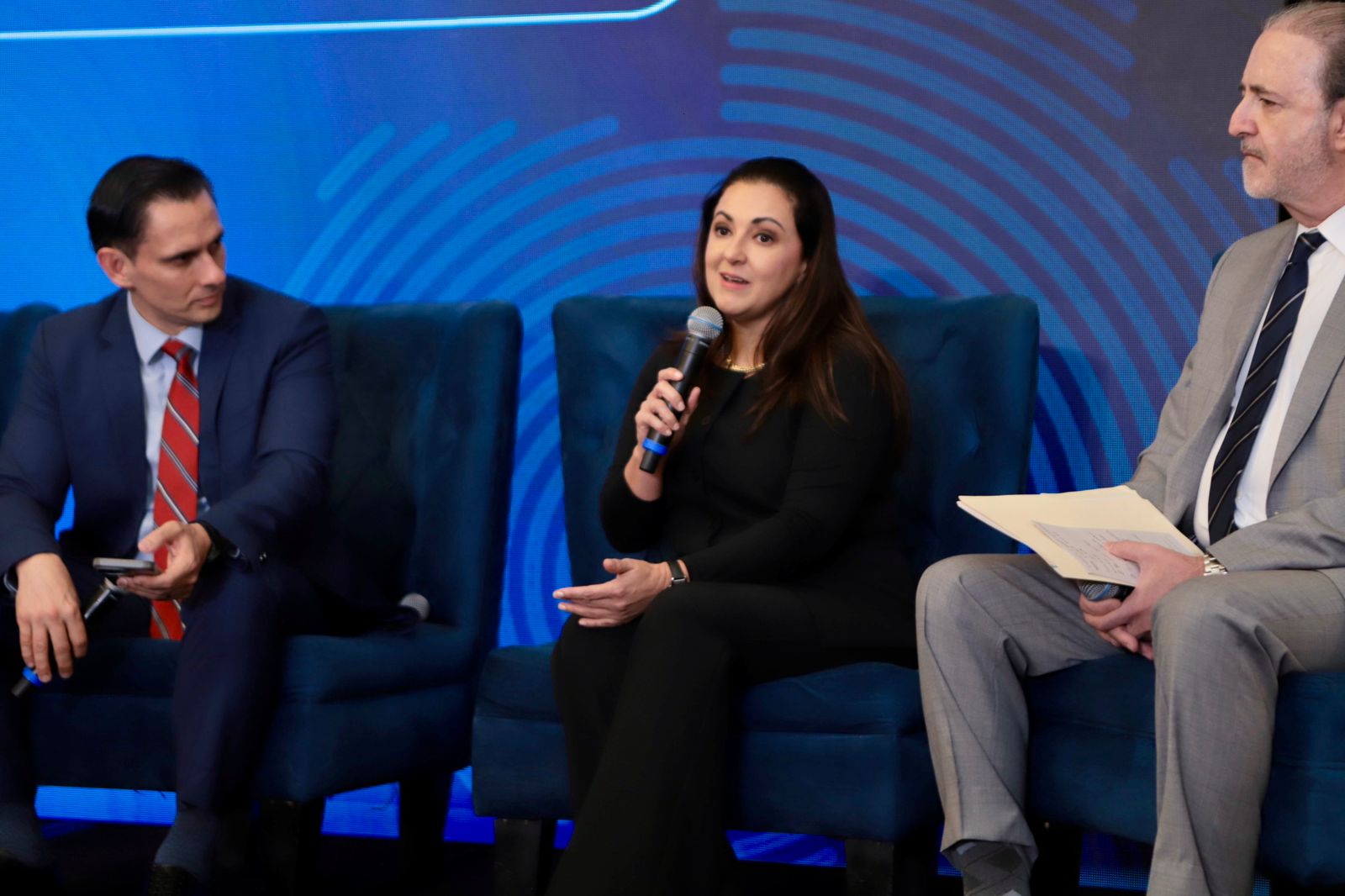
Pérez Gálvez explains that it is necessary for citizens to observe these processes, to supervise them, but also for lawyers and members to participate, both as voters and as candidates.
“We have to give the court that visibility, importance, because of all these elements that are going to transcend the country’s politics, they come to influence the election of senior officials who are going to be the guarantors of the country’s legal certainty,” he pointed out.
Due to the impact that the Cang has on State institutions, they are already working on reforms in their electoral regulations, along with an internal modernization process to make the processes more agile and transparent.
“We have to adjust to reality. Modernization, we are typing the documents that already exist, we are working on new election regulations,” the president reaffirmed.
Simultaneous processes
A particular element of 2026 was the way in which the second-degree election processes coincided, which generated a difficulty and a problem, according to the analysis of Mario García Lara, director of Fundación 2020.
The director explained that these processes do not go unnoticed at the international level, because the stability of these processes can play in favor or against the investment that the country may receive.
“The risk rating agencies are pending, it is a macro systemic event that we are experiencing this year. According to our evaluation, simultaneity is not positive, but rather in the individual process of each process, such as electing the entire TSE at once, the entire CC at once,” he reflected.
For García Lara, it is prudent to think about reforms that allow for a “staggered” renewal, which avoids a total renewal of each institution, which he believes could help each entity to be truly independent and not weigh political issues on its authorities.
“When everyone is elected at the same time it is a political process, we cannot escape that, but gradualness can be or is the way in which other countries have managed to sodify the independence of the magistrates,” he concluded.
Currently, the attorney general renewal process is coming to an end, leaving only the renewal of the Comptroller General of Accounts pending in the second degree processes, which must occur on October 13.