
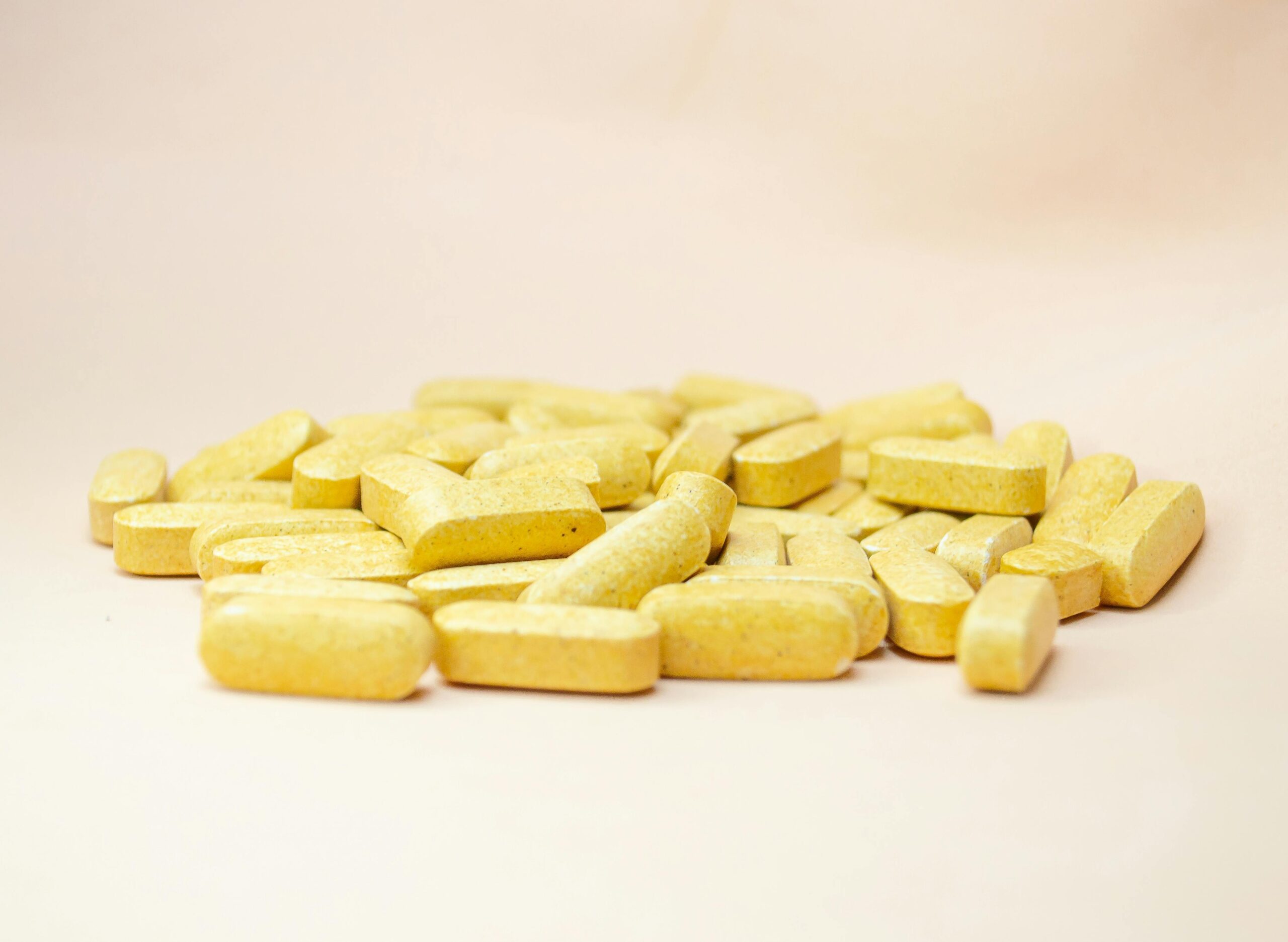
Cosmetics are turning towards formulas that prioritize calm, repair and balance to care for the increasingly common sensitive skin.
Vitamin B12 has become one of the most sought-after active ingredients of the season and jumps from food and supplementation to the world of aesthetics.
Known as the “pink vitamin” due to its characteristic color, vitamin B12 is positioned as an effective response for reactive skin or skin prone to redness.
Stress, pollution or changes in lifestyle have altered the skin barrier of a significant part of the population, making sensitive skin an increasingly common condition.
What is vitamin B12 and why has it become a trend?
Vitamin B12, or cyanocobalamin, is a water-soluble vitamin of group B, obtained through biotechnological fermentation processes. In cosmetics it is used in very low concentrations, generally less than 0.1%, which does not prevent it from being highly effective.
Its high cost—around €13,000 per kilo (Q116,350)—reflects its production complexity, although its use in small doses allows it to be incorporated into high-performance formulas. This balance between power and precision is one of the factors that explain its growing presence in serums and creams.
Beyond its technical characteristics, its success responds to a market transformation. More and more consumers identify with sensitive skin, affected by external and internal factors. Cosmetics respond to this demand with active ingredients capable of calming without attacking.
The main value of vitamin B12 lies in its ability to reduce irritation and redness. Its action focuses on calming the skin and promoting its regeneration, which makes it a key ingredient in treatments aimed at compromised skin.
Its effectiveness also extends to the scalp, where it is used in specific products to treat irritation. This transversal use reinforces its position as a versatile asset within contemporary cosmetics. Furthermore, its ability to even out skin tone and improve skin texture places it at the center of a trend that prioritizes skin health over immediate correction.
A demanding vitamin: how to formulate it correctly
Vitamin B12 is not an easy ingredient to work with. Its stability depends largely on the environment in which it is formulated, which requires precise knowledge on the part of laboratories.
Among its particularities, its incompatibility with extreme pH stands out. Formulations that include very acidic or alkaline substances may compromise their effectiveness. For this reason, experts recommend avoiding its application after chemical peels.

On the other hand, its combination with moisturizing active ingredients and firming peptides enhances its effects, allowing the creation of balanced and effective formulas.
The effectiveness of vitamin B12 is enhanced when it is combined with other ingredients that act in a complementary way. Among them, glycosyl hesperidin stands out, a citrus derivative that strengthens capillaries and reduces redness associated with vascular dilation. This active ingredient is especially useful in cases of rosacea or diffuse redness.
Mallow flower extract provides an immediate soothing effect thanks to its ability to form a protective film on the skin, which relieves tightness. For its part, acerola extract, rich in vitamin C, It helps fight inflammation and stimulate collagen production, which strengthens the skin against external aggressions.
Finally, the alteromonas ferment extract acts as a shield against environmental factors, reinforces the skin’s natural defenses and reduces its sensitivity.
The rise of vitamin B12 cannot be understood without analyzing the current context. Increased stress, the impact of pollution and changes in diet have modified the behavior of the skin.
Cosmetics respond to this new reality with more respectful formulas, focused on restoring skin balance. Vitamin B12 fits into this logic as an asset that not only treats, but also prevents, with an ability to adapt to different needs that makes it one of the sector’s strongest bets for the coming years.
The emergence of vitamin B12 in cosmetics reflects a broader change in approach. Beauty is no longer defined solely by appearance, but by the health of the skin. Thus, calming and repairing active ingredients gain prominence over those that promise immediate but aggressive results.
Sensitive skin is no longer an exception but a starting point. Vitamin B12, with its ability to soothe, repair and protect, is positioned as one of the key ingredients of this new era.