
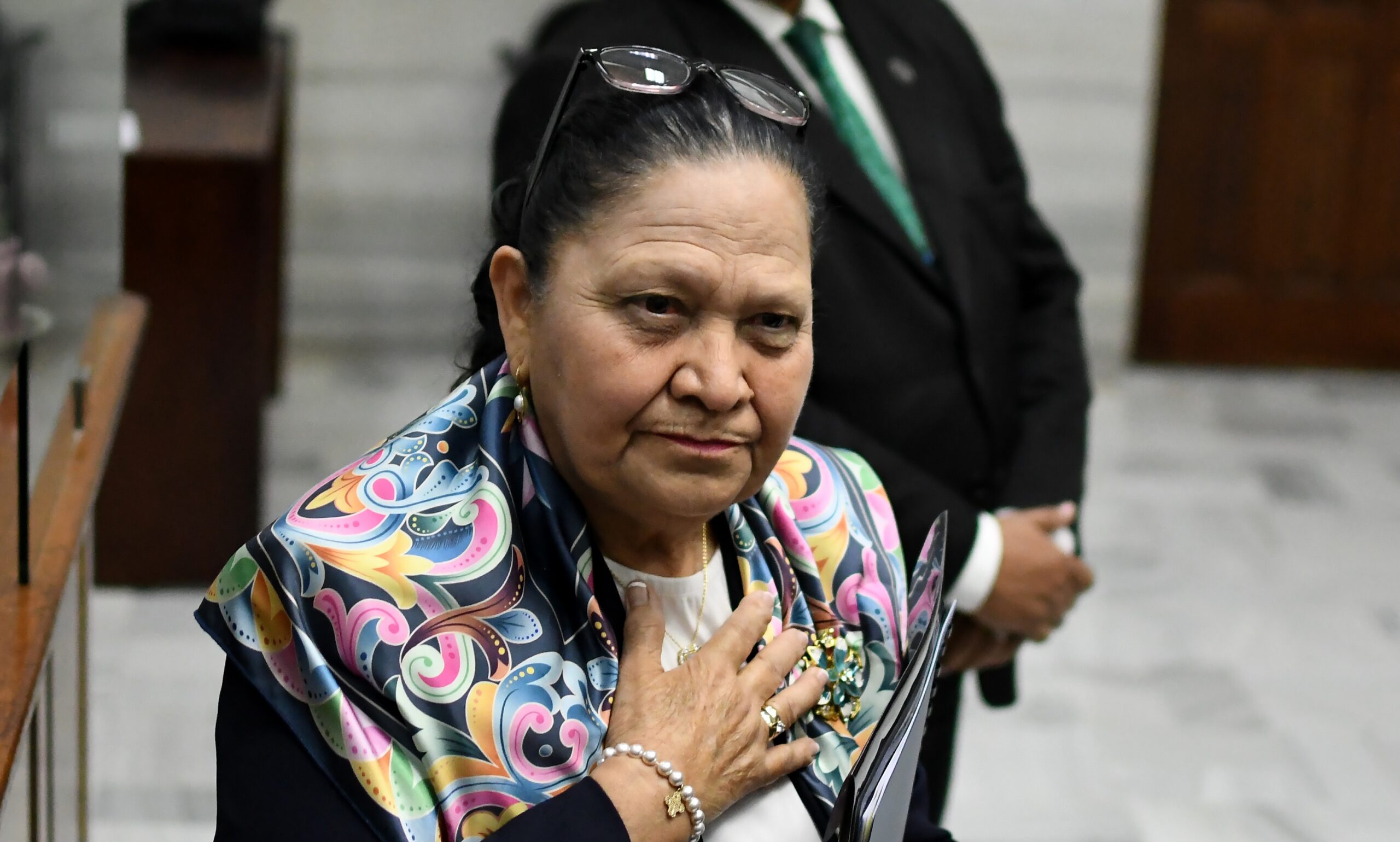
María Consuelo Porras Argueta’s story as attorney general ends this weekend. On Sunday, May 17, Gabriel García Luna takes office as head of the Public Ministry (MP) for the period 2026-2030.
The MP is in charge of investigating crimes and defending their accusations before the Judicial Branch (OJ) so that they reach the trial stage, so that each complaint received achieves justice.
The eight years in which Porras led the MP provoked opposite comments in public opinion. For some, it focused on criminalization; for others, it was years of “technical and objective” research.
Consuelo Porras was first appointed attorney general in 2018. She was selected by President Jimmy Morales, during the government of the canceled National Convergence Front (FCN-Nación).
She was then re-elected for a second term in 2022 by President Alejandro Giammattei. during the government of the Vamos por una Guatemala Diferente (Vamos) party.
From 2018 to 2025, the MP received 3 million 338 thousand complaints, according to data from the National Economic Research Center (Cien), that has documented the work of all institutions in the justice sector.
The year that received the highest number of complaints was 2024, with 451,385 reports, of which 125,772 were filed and 52,429 received requests to be dismissed.
In 2018, during Porras’s first year, the organization calculated an efficiency of 19.09%, while the percentage for 2025, the last documented year, is 80.29%.
More rejections
The data, according to the reading of David Casasola, researcher at Cien, reflect a model of attention to cases that already came from other MP administrations.
Some focused on assigning old cases to specialized prosecutors, but during the Consuelo Porras period an increase was detected in the number of cases that ended up dismissed.
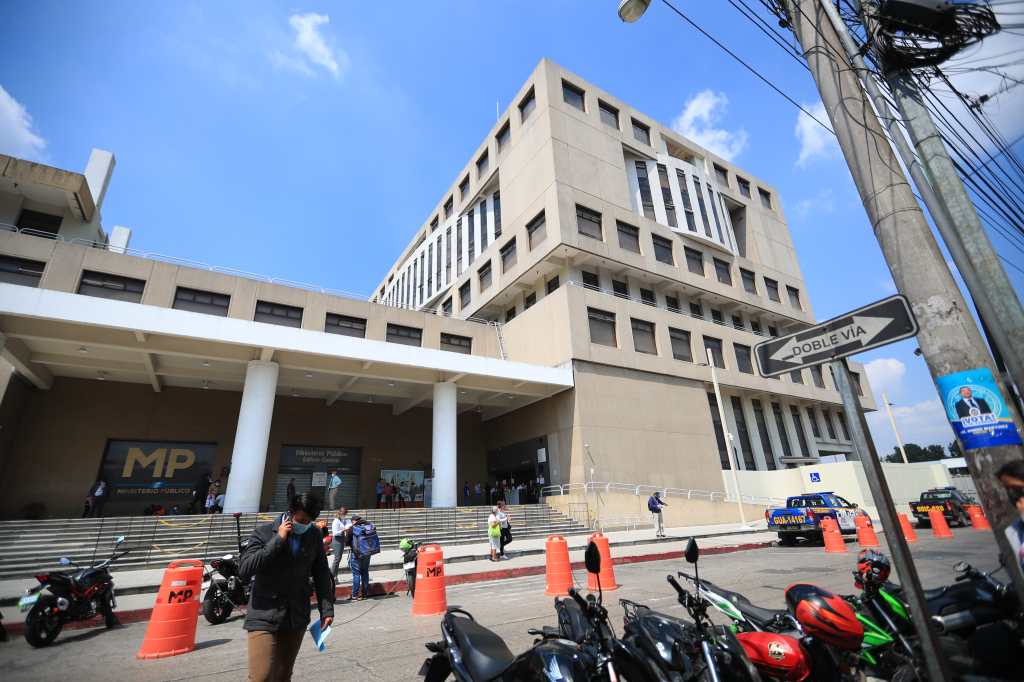
“What happens under the administration of Consuelo Porras is that the comprehensive case management model is implemented, which started from the principle of dividing cases between the different prosecutor’s offices into new cases and old cases, so to speak,” he explained.
But that strategy, with the passing of the administration, ended with the dismissal of some files. “They saw how to speed up the investigation or look at the crimes in detail and, from that account, we began to see that the number of cases that had a dismissal outcome increased,” he highlighted.
For the expert, it is necessary for the future attorney general, rather than prioritizing the number of cases, to focus on the quality of the investigations that prosecutors will direct.
“Even before this new model we did not have a high level of investigation; we had almost 2.3 million tax arrears and now we have reached levels of 250 thousand cases; that is, what was previously a tax arrears are now cases that are on pause or dismissed,” Casasola indicated.
An example of how the MP is doing are the investigations related to the crime of homicide, since even before the Porras administration there were unfavorable figures when talking about justice.
“The last analysis we did is that between 2014 and 2024 the prosecution rate was, on average, 15%; that is, there are 85% of homicides that did not advance to stages,” which means that the largest number of homicides did not reach the courts.
“In decline”
Judges and magistrates are in charge of evaluating the work of prosecutors, since they are the ones who must analyze whether the investigations merit criminal proceedings, that an accused be sent to trial or even receive a conviction at the trial stage.
Anabella Cardona, who was president of the Association of Judges and Magistrates in the periods 2013 and 2014, and later magistrate of Major Risk Appeals, gave her opinion on the role of the MP in the last eight years.
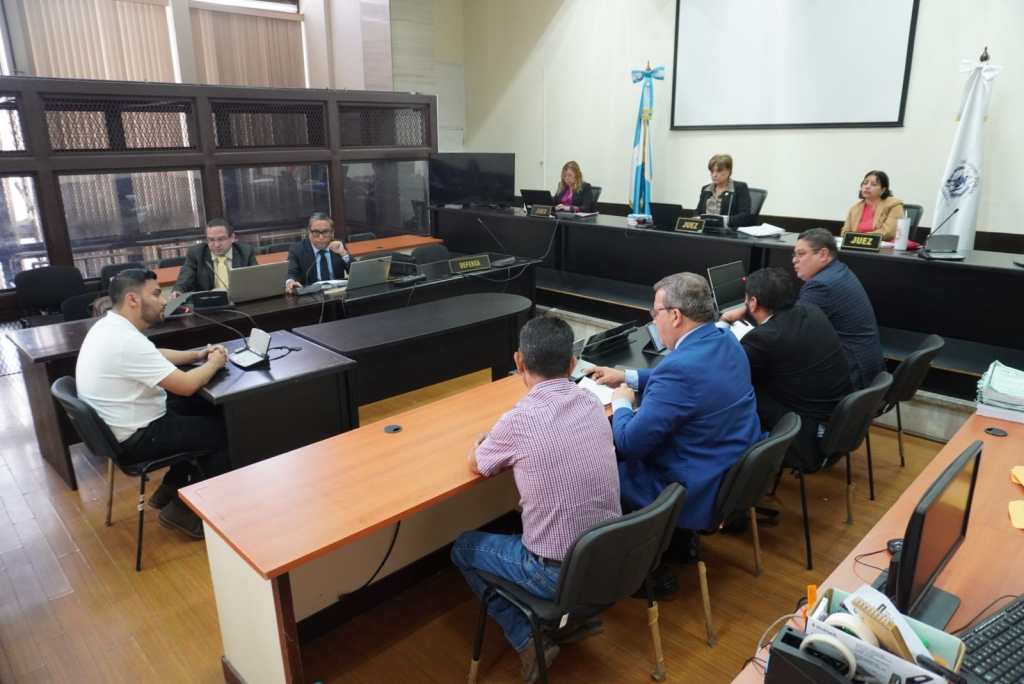
“What I remember about the MP is that it is an institution that has been in decline for quite some time, and part of that decline comes from the fact that the prosecutors were distributed in a segmented manner. So one prosecutor goes to the preparatory stage, another prosecutor goes to the intermediate stage and another prosecutor goes to the debate,” which means that in some cases prosecutors do not know the files or know how to defend them.
Now, from the free exercise of the profession, as a litigator, Cardona has also observed some gaps in the work of the MP, which he recognizes is not something that comes exclusively from the Porras administration.
For now, the next attorney general must make a detailed evaluation of the institution, its work model and the personnel in charge of each unit, since, according to the expert, it is necessary for objectivity to prevail in the MP.
“That objective and timely investigations really prevail, because time in an investigation is relevant, since, if an investigation is late, evidence is lost and valuable elements are lost,” he remarked.
Credibility is urgent
The responsibilities of the attorney general are not simple, but the way in which Gabriel García Luna is about to assume increases the challenges, since he is about to lead a questioned institution with little credibility.
At least that is the reading maintained by Claudia Paz y Paz, who was attorney general of Guatemala from 2010 to 2014, appointed by the late Álvaro Colom, when he was president during the government of the National Unity of Hope (UNE).
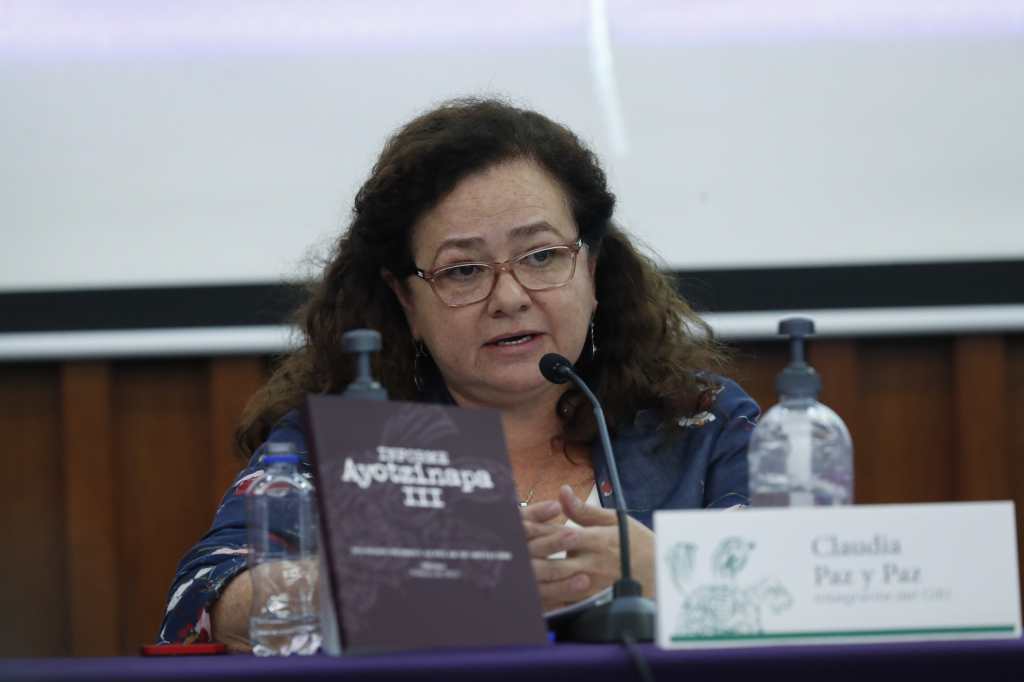
“Now it has been a regrettable setback in the construction of the institutionality that was sustained before my administration, when Amílcar Velásquez Zárate was attorney general, during my administration and during the administration of Thelma Aldana,” he commented.
For the former attorney general, the way in which Consuelo Porras led the institution during the last eight years was not the best. Consider that the MP could have done things better.
“I think what is most painful for me is the destruction of the prosecutor’s career (…) that career was unfortunately cut short, because, alleging the supremacy of a collective agreement on working conditions, all the heads of the prosecutor’s offices were classified as trusted personnel,” which facilitated the dismissal of some prosecutors.
Cases of human rights violations and accusations of corruption “disappeared” during Porras’ administration; Even some of those cases opened by their predecessors faded away, according to Paz y Paz.
“It creates the notion that what is most privileged is not good work, but obedience and submission to designs; and in this case, that is the other very serious problem of the current MP: the designs to favor impunity and criminalization,” Indian.
For Paz y Paz, the new attorney general will have a lot of pressure, because the entire country will be vigilant about what his decisions will be. “Prosecutor García Luna is going to receive an institution that does not have any citizen trust. In other words, all the credibility that we managed to create in the management of Velásquez Zárate, my management and that of Thelma Aldana was destroyed.”