
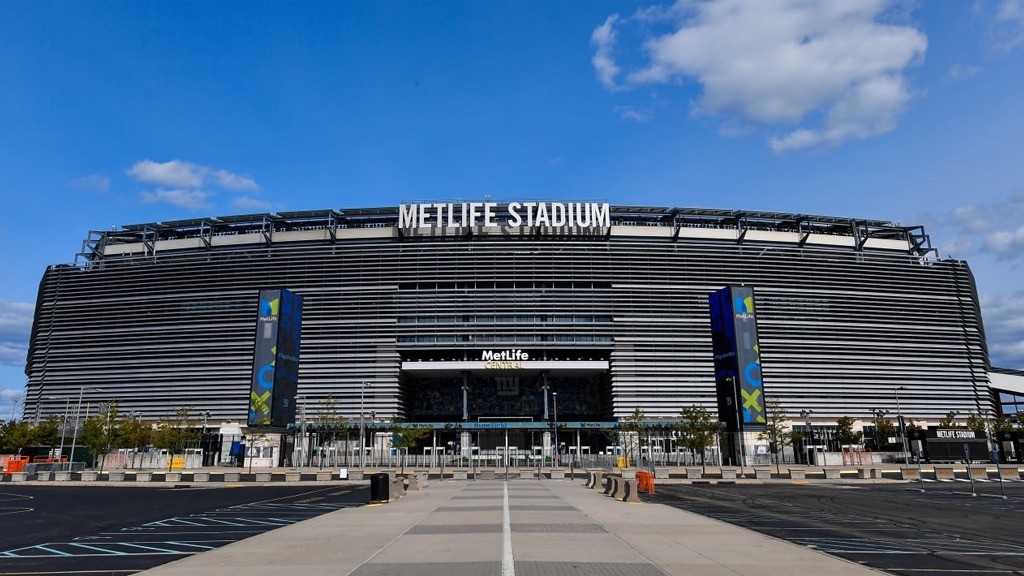
MetLife Stadium, in New Jersey, appears among the venues with the highest risk of extreme heat for the 2026 World Cup. A report from World Weather Attribution warns that temperatures above 30 degrees, combined with high humidity, could affect players and fans during the tournament.
Scientists point out that thermal risk conditions are now 30% more likely than in the 1994 World Cup. The study indicates that several venues could register wet bulb and globe temperatures close to or above 26 degrees, a level that already requires the application of protective measures.
The analysis uses wet bulb and globe temperature, an indicator that measures the actual thermal stress on the human body. According to the report, 26 matches could be played under temperatures considered high risk, while five matches could exceed 28 degrees.
MetLife Stadium is especially worrying because it is an open venue and because of the humidity of the northeastern United States. Although temperatures will not always be the highest in the country, the combination of heat and humidity could increase the risk of dehydration, exhaustion and heat stroke for thousands of attendees.
The final in the hottest time
The biggest concern is focused on the July 19 final at MetLife Stadium. The match is scheduled for 3:00 PM, the time of day with the greatest solar radiation and highest temperatures in open stadiums.
The international football players’ union warned that a wet bulb temperature above 26 degrees should trigger cooling breaks. If the indicator exceeds 28 degrees, it is recommended to delay or postpone the meeting for safety.
The risk also reaches fans, especially during lines, entrances and remaining in stands under the sun. Although FIFA assured that the calendar was designed with players and the public in mind, debate is growing about possible schedule changes if extreme conditions require it.