
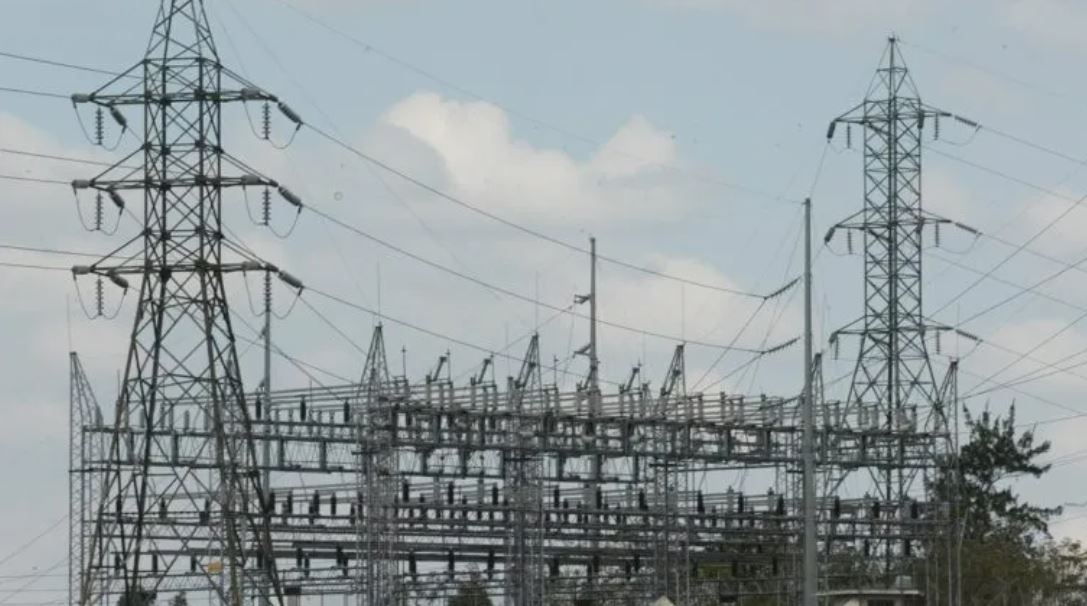
The parliamentarians of the Cabal bench, in the Congress of the Republic, summoned electric energy authorities, whom they questioned about the increase in billing amounts, complaints of poor energy service and poor customer service. Meanwhile, officials from the National Electric Energy Commission (CNEE) and the National Electrification Institute (INDE) referred to the need to have permits or municipal licenses for the construction of works, in order to expand the transmission network and reach more places and the approval of the urgent infrastructure law initiative for that sector.
In response to the insistent questioning of parliamentarian Luis Aguirre, from Cabal, about whether they had identified a deficient electricity service, the president of the CNEE, Luis Ortiz, responded repeatedly that they had identified it in many places in the country, but he did not mention that it was at the national level but instead explained the needs of the sector.
Other questions raised by the deputies, accompanied by several mayors who participated in the meeting, were the constant blackouts or service cuts in different municipalities. They even described as bureaucratic the modalities that exist to make complaints by users, in addition to the fact that they do not receive answers or solutions from the authorities.
In addition, deputies expressed disagreement by pointing out that a WhatsApp telephone number, provided by CNEE officials, asked them to have made the claim to the distributors before, and that they were not able to obtain a response or solution from said commission. In this regard, Jorge Arauz, also director of the CNEE, explained that the legislation and regulations establish that the claim is presented to the distribution companies, which have the obligation to respond. If the client is not satisfied, they can file a complaint with said commission.
According to Ortiz, in 2025 that institution received 283 complaints, of which 85% have already been resolved. In addition, they explained that there are different instances to file complaints, depending on the type of case.
Billing
They also pointed out the reasons for the increase in the amount of the billing pointed out by deputies and they presented a case of a person whose amount was doubled without having incorporated more devices or consumption in their home.
Ortiz reported that the energy consumption rate, 33% corresponds to distribution; 6%, to the transportation of electricity; 9%, to system losses, and 51% to energy generation. However, he explained that an invoice also shows the public lighting charge made by the distributors on behalf of the municipalities, a rate that is established by the mayors or municipal councils.
In the case of public lighting, Ortiz said that the communes have chosen to include charges for other services, such as the cost of water pumping, electricity or lighting services in markets and others, and the remainder for works of a different nature.
CONTENT FOR SUBSCRIBERS
In response to the insistent queries of the parliamentarians, Ortiz explained that the energy rate has been stable for four years, so the increase in the amounts indicated by the deputies is not derived from this, but may come from other areas, such as the increase in demand due to high temperatures, public lighting or the decrease since January in the subsidy provided by the INDE.
The subsidy is a State policy and depends on the budget approved by Congress, as well as decisions made by the INDE to apply the approved amount, Ortiz added.
The effect of public lighting and the subsidy
The manager of the INDE, Armando Roberto Martínez, agreed, among other aspects, that people’s perception of the bill is not limited to energy consumption, but also includes a fixed charge that is recognized by the distributor. Another important factor is the public lighting ratewhose establishment is the power of the municipal mayor and his Council, he added.
The official indicated that 60% of the bills received by the approximately five million users of the electricity service in the country pay more for public lighting than for consumption. He added that this issue must be put on the table to dialogue with municipal authorities and improve efficiency in the administration of the public lighting service.
Many of these users, that is, those who have consumption of one to 100 kilowatts, are covered with a subsidy, depending on the consumption range.
Regarding the subsidy, he explained that this year the subsidy is being covered with the institute’s own resources and that the amount dropped from Q980 million in 2025 to Q900 million in 2026. In previous years there was a contribution from the Government through the budget approved in Congress, but this year it was not included.
Regarding the subsidy, he added that the reduction in the total amount is 9% and said that the users who would be affected in their bill will probably be affected by this decrease. According to the INDE manager, this has a greater impact on users with lower consumption, especially those who consume between one and 66 kilowatts, which represent close to one million homes.
Generation, transmission and licenses
Martínez stated that The country is reaching the point of convergence between energy supply and demand; That is, the existing electricity generation is matching consumption, so the country must increase its generation capacity. Although the PEG-5 tender has been very important, it is not enough.
Although on average energy demand has grown between 4% and 5% annually, there are places like Petén, where the growth reached up to 18%, and in Huehuetenango around 10%, indicated authorities from both institutions.
CONTENT FOR SUBSCRIBERS
According to Martínez, the INDE has plans to increase its generation by 380 megawatts.
However, deputy Herman Echeverría questioned the reasons why the CNEE does not approve the authorization of 90 companies seeking to connect renewable distributed generation plants (one of the modalities for plants smaller than five megawatts), which would represent more than 300 megawatts.
Initiative
The Cabal deputies also pointed out the poor service in different municipalities and questioned why the authorities have not acted to promote the expansion of the energy transmission network, for which the bench presented initiative 6665 to declare transmission works urgent, which is advancing in Congress.
However, the directors of the CNEE indicated that they support this type of legislation, that approval by Congress is urgent, and stated that several transmission works have been stopped due to lack of approval of municipal authorizations or licenses.
One of these cases, they indicated, is that Huehuetenango, part of Quiché and the north of Totonicapán are served by a single central substation, so more works are required, but after six years they have not obtained permits from the Chiantla commune for a line that connects with Huehuetenango and they are in talks with these and other municipalities.
Both parliamentarians and authorities said that it is contradictory, because the mayor of the latter municipality is part of the INDE board as a representative of the National Association of Municipalities (Anam).
The meeting, which lasted more than two hours, took place between tense moments, questions and exchange of opinions and data.