
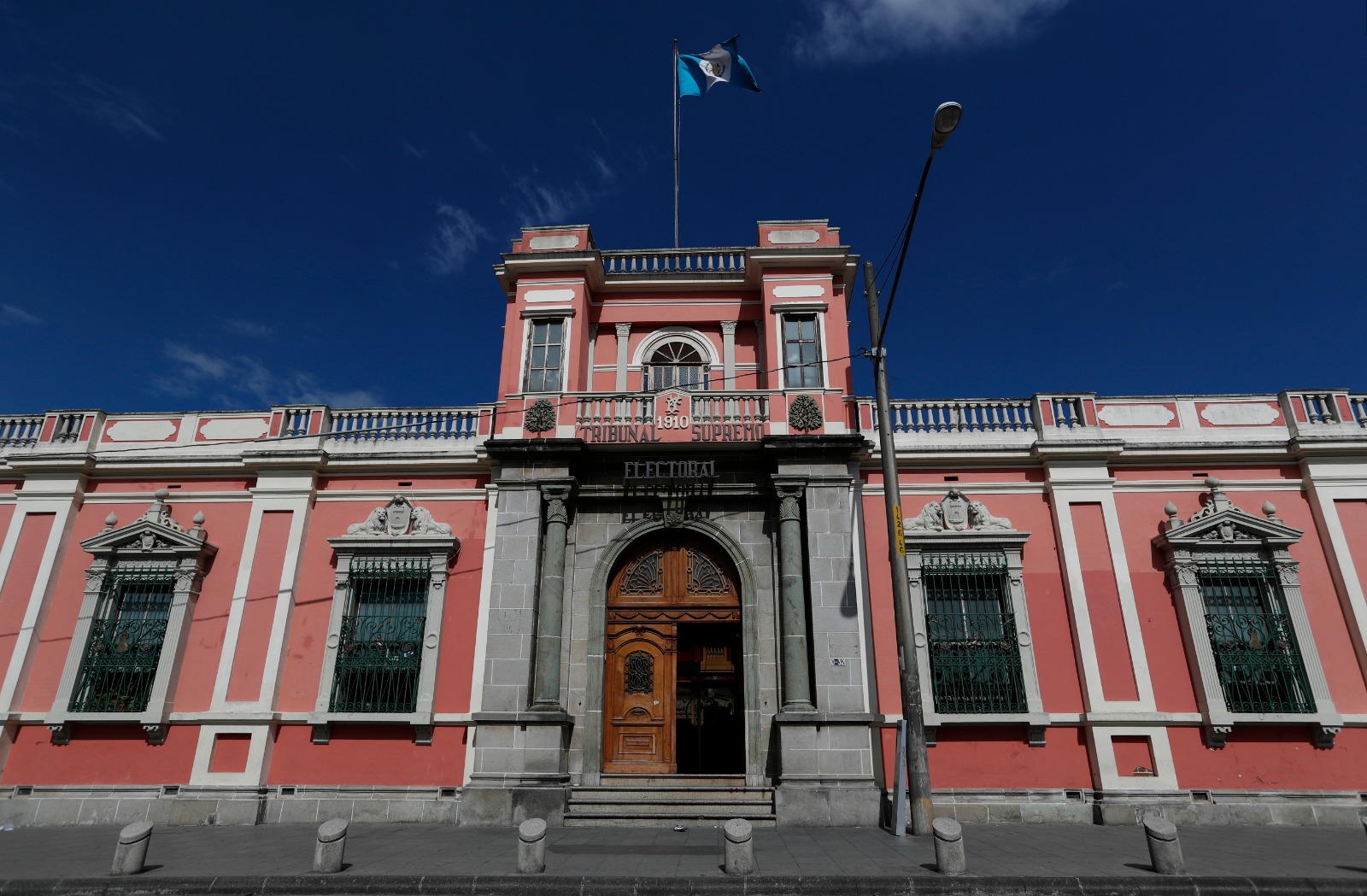
The Supreme Electoral Tribunal reported that there are currently 140 files related to possible cases of early campaign, while advancing in the preparation of mechanisms to confront the disinformation and prevent conflicts during the 2027 electoral process.
The electoral authorities announced the progress during a press conference in which they also detailed coordination actions with universities, state agencies and other institutions.
He Judge Roberto Morales explained that the Specialized Media Unit maintains permanent monitoring and that the number of files has grown during the pre-election year.
“This year, because it is a pre-election year, we have seen an increase in profiles and people who are publishing content with possible transgressions of the Electoral Law and to date there are 140 files. It has been increasing,” he stated.
According to Morales, some cases arise from institutional monitoring, others from findings by the General Inspection and the majority from complaints filed before the Court.
The magistrate indicated that all the files continue their corresponding processing and that the procedure contemplates the right of defense of the indicated persons before a resolution is issued.
Furthermore, he recalled that the sanction established in the article 94 Bis of the Electoral and Political Parties Law materializes at the time of registration of candidatures.
The regulations prohibit the registration of those who have campaigned individually before the official call for elections by promoting their image on social media.
TSE promotes observatory
In parallel, the Court is working on the creation of an observatory aimed at identifying and counteracting disinformation during the electoral process.
Judge Quelvin Jiménez explained that the initiative is developed together with universities in the country and seeks to respond to the challenges posed by new technologies, especially artificial intelligence.
“We are advancing cooperation agreements with universities to have a kind of observatory that helps us combat misinformation and prevent artificial intelligence from becoming a problem of misinformation and confrontation”he pointed out.
Jiménez added that it is also planned to involve the media and other social sectors. According to him, meetings have already been held with different actors and more details will be released when the project presents significant progress.
They prepare the table for conflicts
Another project under analysis is the strengthening of an electoral conflict table, which will seek to anticipate and reduce tensions in the territories before, during and after the elections.
Jiménez explained that since June 23, the Electoral Management Table and that the magistrates are working on a regionalization strategy to provide in-person follow-up to municipalities and departments identified with potential risks.
“We have already approached the Rectors’ Forum, the Judicial Branch and the Conflict Resolution Unit so that they can support us through justices of the peace, mediators and facilitators,” he detailed.
The magistrate indicated that a new meeting will soon be held in which the Ministry of the Interior, the Ministry of National Defense and the Human Rights Ombudsman will participate.
Likewise, he emphasized that electoral conflict must be differentiated from local conflicts.
“Electoral conflict is not the same as local conflict. What often happens is that local conflict is what carries over to the elections. Having that differentiation, we will do a strong job,” he stated.
According to Jiménez, the model has been applied in previous processes and has been considered successful due to its ability to reduce tensions and facilitate the resolution of conflicts linked to electoral processes.
Read also: TSE plans the first round of the 2027 general elections for June 27