
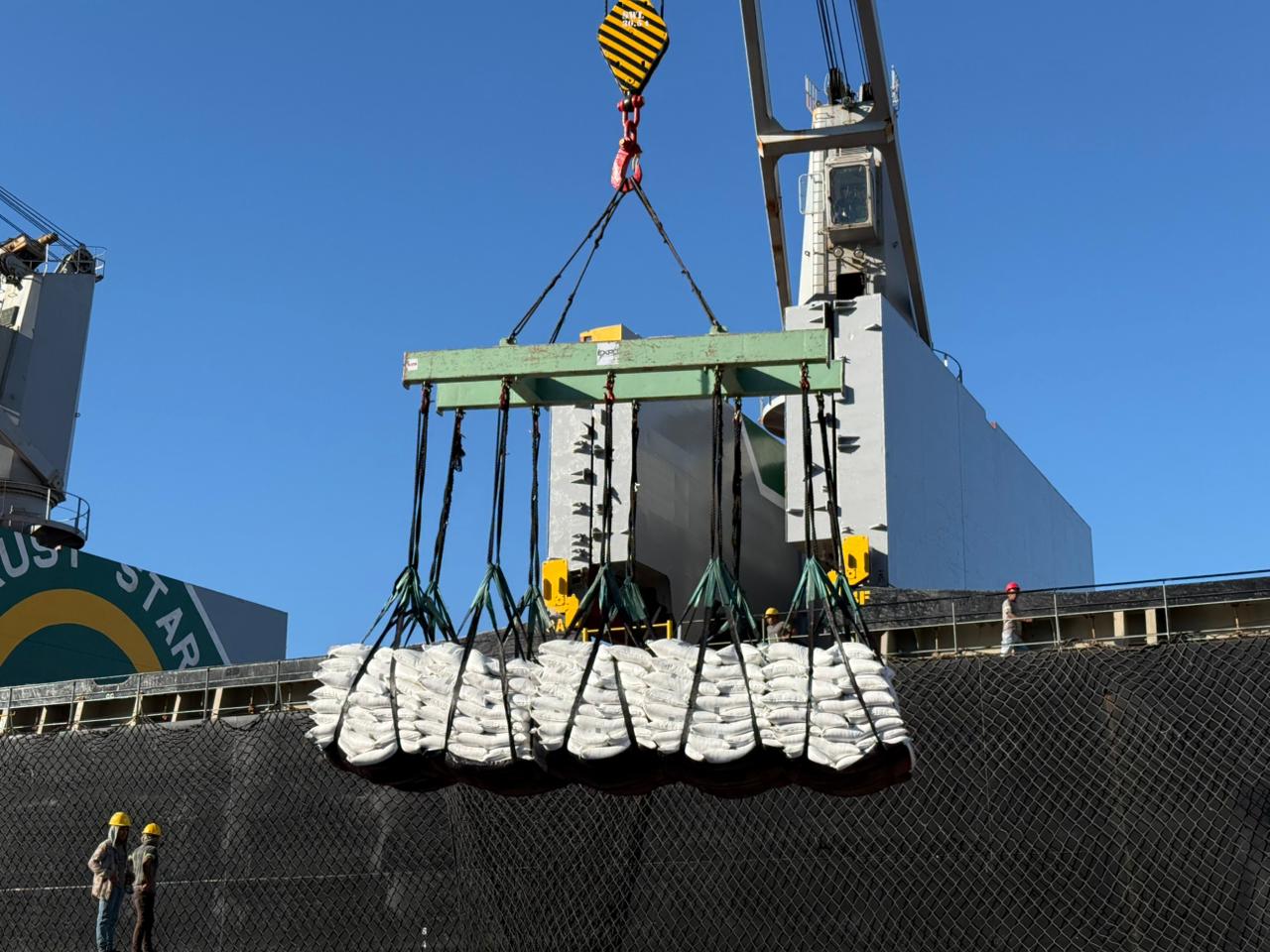
After several years of having concluded negotiations and a series of delays, Guatemala and Peru put the Free Trade Agreement (FTA) into force. with the aim of strengthening commercial relations and exchangewhose results could be consolidated in the next five years.
The new tariff provisions allow the free entry of various products and services to meet consumer demand and encourage future foreign direct investments.
Guatemala and Peru maintain historic diplomatic, cultural, cooperation and commercial relations, which are now strengthened with the entry into force of the FTA.
The implementation of the agreement represents an opportunity for Guatemala to advance its market diversification strategy, especially in South America.
According to an analysis by the Guatemalan Association of Exporters (Agexport), the potential for additional sales amounts to US$146 million with the entry into force of the trade agreement.
Guatemala and Peru activate FTA
Although the trade agreement had been negotiated and closed several years ago, the authorities of both countries managed to put it into effect as of July 1.
One of the objectives of the FTAs is to increase the volume of trade and allow unrestricted access to the products and services produced in each country, in accordance with the established tariff reduction deadlines.
However, international trade has experienced “turbulence” due to the imposition of new tariffs from 2025, which has given way to new negotiation mechanisms. Added to this is the uncertainty generated this year by international geopolitical conflicts, factors that influence the decision-making of economic agents.
FTA aims to increase exports
The trade balance favors Peru, since Guatemala buys more products than it sells.
Statistics indicate that from 2015 to 2025, Guatemala’s average exports amounted to US$70 million and imports, US$110 million.
Only in 2025, before the entry into force of the FTA, exports stood at US$73.9 million and imports, at US$164.9 million.
Foreign trade analysts consider that these figures can improve with the conditions offered by the opening of the market, once the agreement reaches its maturity stage, as well as due to the increase in demand for logistics services.
Among the main products exported from Guatemala to Peru last year were sugar, machines and mechanical devices, insecticides and fungicides, confectionery products, plastics, paper and cardboard, as well as paints, varnishes and inks.
Instead, Guatemala imported fresh, dried or frozen fruits; edible fats and oils; cereal preparations; pharmaceutical products; various manufactures, and paper and cardboard manufactures, among others.
Regarding foreign direct investment (FDI) flows, the report records investments and disinvestments that, on average, amount to about US$17 million annually. The FTA would boost capital flows.
Agexport sees potential in FTA
Aída Fernández, director of Export Growth, and Javier Castillo, director of Agexport, stated that the entry into force of the FTA with Peru represents an opportunity for Guatemala to advance its market diversification strategy.
The challenge, they explained, will be to convert this new commercial framework into real businesses by supporting companies with market intelligence, technical preparation, links with buyers and commercial promotion actions that allow opening and consolidating the Guatemalan presence in South America.
Agreement opens business in South America
Fernández stated that a greater commercial flow is expected, which will allow advance market diversification towards South America, reduce dependence on traditional destinations and expand Guatemala’s presence in a region with great potential.
“We see opportunities to strengthen exports of manufacturing, food, beverages, hygiene products, cosmetics and construction materials, among other sectors. Likewise, this agreement creates new possibilities for services, business chains and MSMEs with an export vocation, by facilitating more companies to begin their internationalization process and find in Peru an ally to grow and generate greater value,” he said.
For his part, Castillo assured that making the best use of the FTA poses three challenges for Guatemala:
- Turn preferential access into real business: The FTA opens the door, but companies will have to transform the tariff opportunity into concrete business by identifying buyers, adapting their offer, meeting market requirements, negotiating conditions and ensuring their supply capacity.
- Overcome logistical and cost barriers: Although Peru is an attractive market, distance, transit times, route availability, transportation costs, cargo consolidation and logistical competitiveness will be determining factors to compete against regional and Asian suppliers.
- Prepare companies in the technical, sanitary and commercial requirements: It will be key to strengthen business knowledge about the rules of origin, labeling, records, sanitary and phytosanitary requirements, intellectual property, payment conditions, distribution channels and the structure of the Peruvian market.