
Launched in 2022, the program proposes a comprehensive model to break the cycle of malnutrition, which began with an investment of USD$15 million in this replicable and sustainable program to address the main causes of child malnutrition in Guatemala.
In the intervened communities, a reduction in acute malnutrition was recorded from 6% to 0.38% in a period of two years, and chronic malnutrition had a decrease of 17 percentage points in the same period. According to Guatemalans for Nutrition researcher and external auditor Dr. Sophia Aguirre, from the Catholic University of America in Washington, more than 70% of mothers reported normal growth in their children, recurrent illnesses in pregnant and lactating women decreased by up to 76%, and nutritional consumption per household increased by 17%.
Taking as a reference the international goals of the UNICEF/WHO/World Bank report, Guatemalans for Nutrition exceeds expectations for the annual reduction rate of malnutrition.
“For many years, Castillo Hermanos has developed initiatives to reduce child malnutrition in Guatemala, and other actors have also done so. And, even so, the malnutrition rates did not improve significantly. We decided to set ourselves the challenge of creating a program that would solve the problem of malnutrition from the roots. Thus, Guatemalans for Nutrition was born, a program created from the heart of Castillo Hermanos, 100% authored and 100% financed. own,” commented Stuardo Sinibaldi, president of Castillo Hermanos.
What distinguishes this program is not only its ambition, but its origin. Guatemalans for Nutrition is an initiative 100% financed by Castillo Hermanos. This is not a public-private alliance or international cooperation: it is our own commitment, sustained with private capital and backed by more than a century of business history in Guatemala.
For Dr. Aguirre, the differentiating element of the model is that it prioritizes constant support for families in their different stages of life, since malnutrition is not reduced to economic income, but also to factors such as hygiene education, strengthening care practices and support during pregnancy, postpartum and early childhood.
The program acts through six axes of intervention: Primary Health Care, Nutritional Support, Water and Environmental Sanitation, Strengthening Family Economy, Access to Food and Early Childhood Development. When a case of malnutrition is identified, the protocol includes medical and nutritional evaluation, recovery and monitoring at home until the child restores his or her health.
“With this initiative, the company adopted a holistic, replicable, sustainable and auditable approach, with a specific goal: that the model is not limited to a local experience, but can be measured, evaluated and replicated in other territories,” said Stuardo Sinibaldi, president of Castillo Hermanos.
Towards a Guatemala without malnutrition
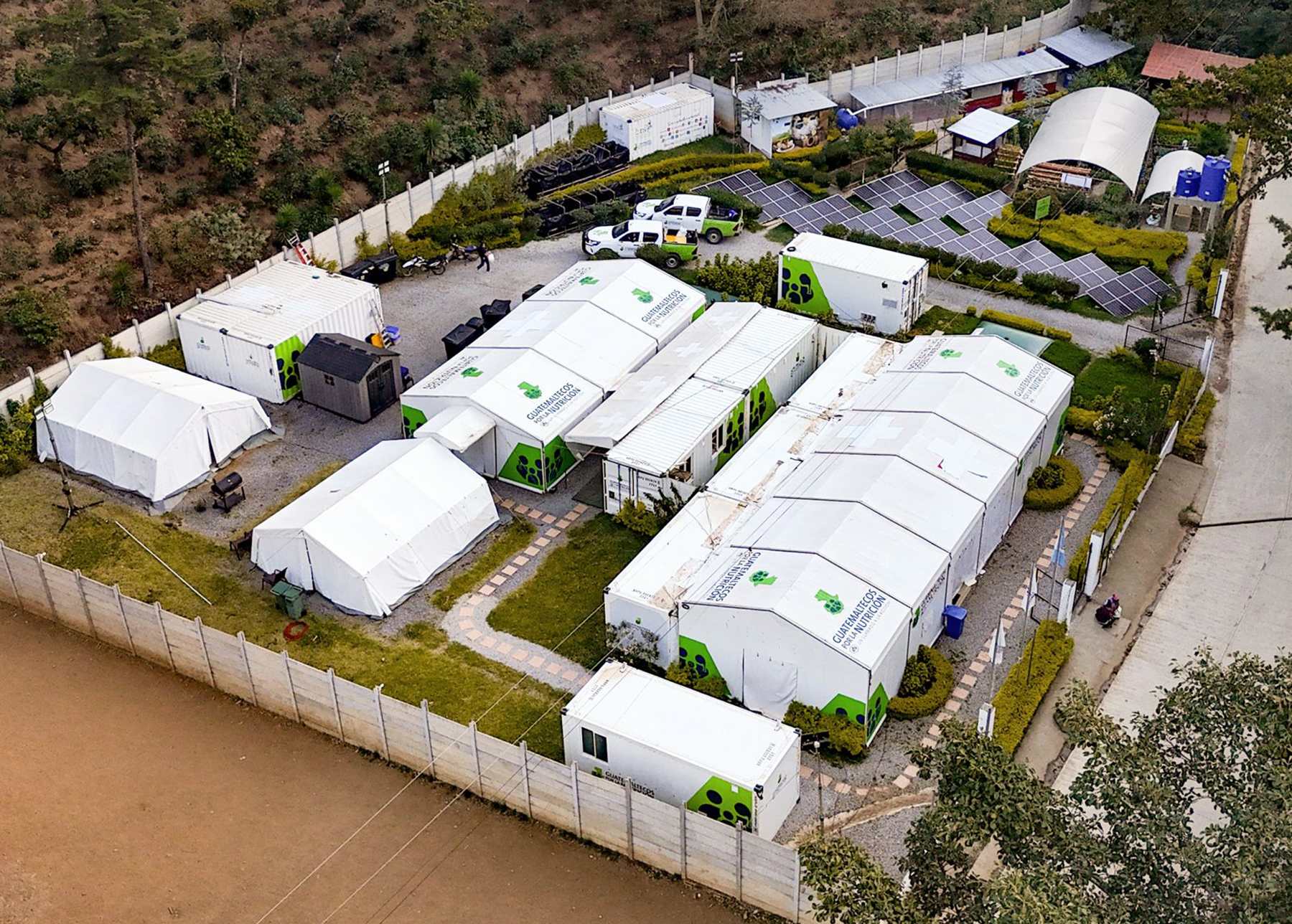
Since 2023, the program has operated with two Nutrimóviles Camps, mobile structures manufactured in Spain to operate in demanding environments, which have made it possible to deliver more than 60 thousand services in areas that are difficult to access.
The “Well Done 2025” recognition in the Social Projection category, awarded by Prensa Libre, added external support to the results already verified by the international academic audit.
More than 140 years after its founding, Castillo Hermanos continues to support Guatemala from within, with its own resources and a conviction that has not changed: that the development of the country and the well-being of its communities are an inalienable corporate responsibility.