
.img_fo{ aspect-ratio: 16/9; width: 100%; height: self; margin-bottom: 8px; object-fit: contain; } .badge-pl-plus__md-and-lg__element-text{ font-family: “Acto-Tiny-Medium” !important; color: #0f213b !important; font-size: 12px !important; line-height: 15px !important; z-index: 2 !important; padding-top: 2px !important; padding-right: 2px !important; } .posted-on{ color: #474747; font-family: Acto-Small-Light; font-size: 14px; font-style: normal; font-weight: 300; line-height: 18px; } .ux-excerpt-post{ color: #474747 !important; font-family: Acto-Large-Light !important; font-size: 20px !important; font-style: normal !important; font-weight: 300 !important; line-height: 27px !important; }

A plea from doctors: Take it easy on the supplements!
Supplements can also cause side effects, which patients are sometimes “shocked” to learn about, experts warn.

|


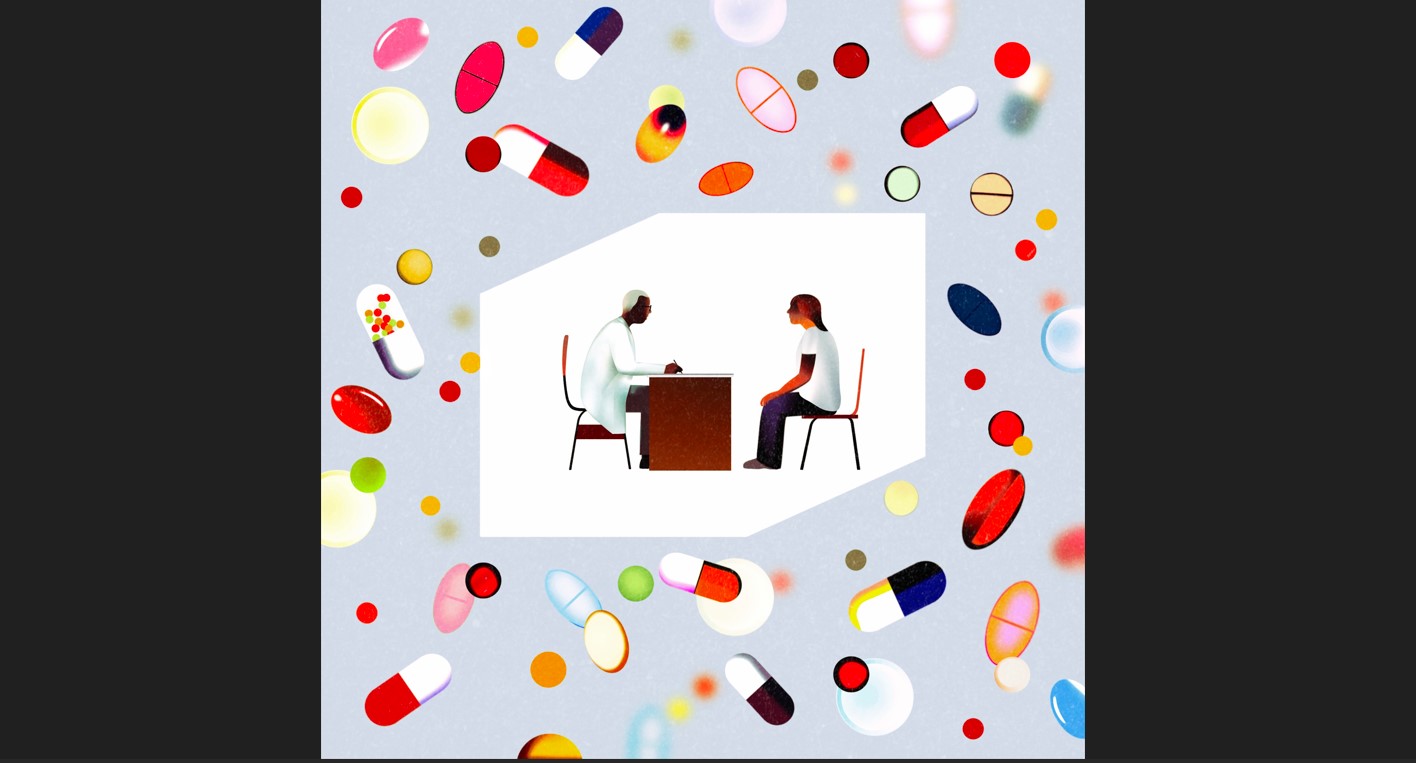
As more gummies, pills and powders are consumed than ever, some doctors are trying to convince patients to be more careful. (Ard Su/The New York Times)
Photo:
document.addEventListener(‘DOMContentLoaded’, function () { const saveFavImg = document.getElementById(‘save-fav-img’); if (saveFavImg) { saveFavImg.addEventListener(‘click’, function () { const user = tp?.pianoId?.getUser?.(); if (user && user.uid !== ‘0’ && this.classList.contains(‘tosavefav’)) { const postIdInput = document.getElementById(‘id_post’); const post_id = postIdInput ? postIdInput.value : null; if (!post_id) return; fetch(‘https://foservices.prensalibre.com/usuario/favoritos/save_piano’, { method: ‘POST’, headers: { ‘Content-Type’: ‘application/x-www-form-urlencoded’, }, body: new URLSearchParams({ uid: user.uid, aid: post_id }), }) .then(response => response.json()) .then(data => { const actions = saveFavImg.querySelector(‘.actions’); if (actions) { actions.textContent = data.message; } sendPostMessageGtag({ event_label: ‘Saved_article’, value: ‘1’, }, ‘saved_articles’); sendPostMessageGtag({ event_label: ”, value: ‘1’, }, ‘saved_articles_detail’); if (data.message !== ‘save’) { saveFavImg.classList.remove(‘tosavefav’); saveFavImg.classList.add(‘tomyfavs’); } }) .catch(error => { console.error(‘Request error:’, error); }); } if (this.classList.contains(‘tomyfavs’)) { window.open(‘https://www.prensalibre.com/mis-articulos/’, ‘_blank’); } }); } });
Earlier this year, a 49-year-old man with chest pain visited Danielle Belardo, a cardiologist. For some time, he had been treating his high cholesterol not with the statin suggested by his doctor, but with berberine and red yeast rice supplements. I had heard they were more natural.
The supplements had not controlled his illness, not at all. Belardo discovered that not only did he still have high cholesterol, but he also had elevated liver enzymes and coronary heart disease so severe that he needed open heart surgery.
She referred him for the procedure and started him on two cholesterol-lowering medications, including a statin. He also told her to stop taking supplements. A few weeks later, the liver problems resolved.
At a time when Americans are buying and taking record amounts of supplements—more than half of adults take one—some doctors and dietitians are trying to convince patients to take it easy.


At his practice in Pasadena, California, Belardo often takes a hard line and regularly “deprescribes” supplements. Last year, he convinced a patient to stop taking 132 of them, including some to “detoxify” her kidneys and liver. Marily Oppezzo, a medical instructor at the Stanford Preventive Research Center and a registered dietitian, said she follows Marie Kondo’s lead by asking her patients which ones bring them “real, evidence-backed joy.”
A wide variety of gummies, pills, and powders are classified as supplements, including vitamins and minerals, compounds like creatine, and herbal products like ashwagandha and kava. Almost all doctors say that some of them have their place; Women benefit from taking folic acid, for example, when trying to have a baby. Some people have vitamin or mineral deficiencies that supplements can help address.
But supplements can also cause side effects, which patients are sometimes “shocked” to learn about, said Mitra Rezvani, a hospitalist at Westchester Medical Center in New York. Many are simply uncomfortable, stomach problems for example. But some are more serious. An article published in The New England Journal of Medicine estimated that supplements are responsible for 23,000 emergency room visits a year.
The ways in which doctors approach the issue may vary. Rezvani has had patients make a list of everything they take and explain why, which helps start a discussion about what they should reconsider.
And Jen Gunter, an OB-GYN in San Francisco, tries not to push too hard. “The worst thing you can do is make a patient feel like they can’t talk to you,” he said.
Still, when she sees another patient taking probiotic supplements, “I always tell them, well, if those worked, you wouldn’t come to see me.”
Nausea and rashes
The Food and Drug Administration only lightly regulates supplements, monitoring them less rigorously than medications, without approving their safety or effectiveness before they reach the public. Supplements have been found to be mislabeled, both in terms of ingredients and concentration. And some mix poorly with certain medications, or with each other.
Due to what some have called the “Wild West” nature of the market, it can be difficult to predict adverse side effects. Pieter Cohen, an assistant professor of medicine at Harvard Medical School who studies supplements, had a 45-year-old patient develop rashes on her legs and back after she started taking an anti-migraine supplement. Cohen suggested she stop taking the supplement, and the rashes disappeared.
Gunter is concerned about Ayurvedic supplements, some of which have been found to include lead, arsenic and mercury. Other doctors are watching for signs of supplement-related liver damage. Last year, researchers at the University of Michigan estimated that 15 million American adults took a supplement that could cause liver toxicity, such as turmeric or red yeast rice.
Read also: What are the keys to longevity in women?
Rezvani once treated a 70-year-old woman who had experienced nausea, jaundice, and dark urine after starting to take a turmeric supplement, as well as semaglutide, the compound in the drug Ozempic. She and her team determined that the supplement had likely damaged the liver and possibly interacted with the medication.
The patient stopped taking the supplement. Shortly after, his liver function improved.
Overcome high underlying problems
Belardo says he understands why his patients turn to supplements. Prominent doctors sell and promote them on the internet. The pharmaceutical and healthcare industries have disappointed many Americans. And some patients feel ignored by the doctor, leading them to seek alternative treatments for their pain.
In some cases, people may take a supplement to control an unwanted symptom, rather than undergo medical tests that would reveal the root cause of the problem.
In 2021, a 44-year-old woman came to Belardo for an evaluation. During the visit, the patient noted that, at the recommendation of a naturopath, she had been taking an iron supplement to treat anemia and fatigue, but continued to feel tired.
The iron supplement itself did not worry Belardo. What did concern her was that the naturopath had not probed the underlying problem. Hoping to find out, Belardo sent the patient to a gastroenterologist, who performed a colonoscopy. The diagnosis: stage IV colon cancer.
CONTENT FOR SUBSCRIBERS
var cX = window.cX = window.cX || {}; cX.callQueue = cX.callQueue || [];cX.CCE = cX.CCE || {}; cX.CCE.callQueue = cX.CCE.callQueue || [];cX.CCE.callQueue.push([“run”,{ widgetId: “f21215e77172b30cf23eecd88a48f598e4721746”, targetElementId: “cx_f21215e77172b30cf23eecd88a48f598e4721746”}]);
It was an extreme version of the type of situation that frustrates her the most.
“They had missed months, if not years, of opportunities for earlier detection and treatment,” Belardo said, “because their attention was reduced to prescribing supplements.”