
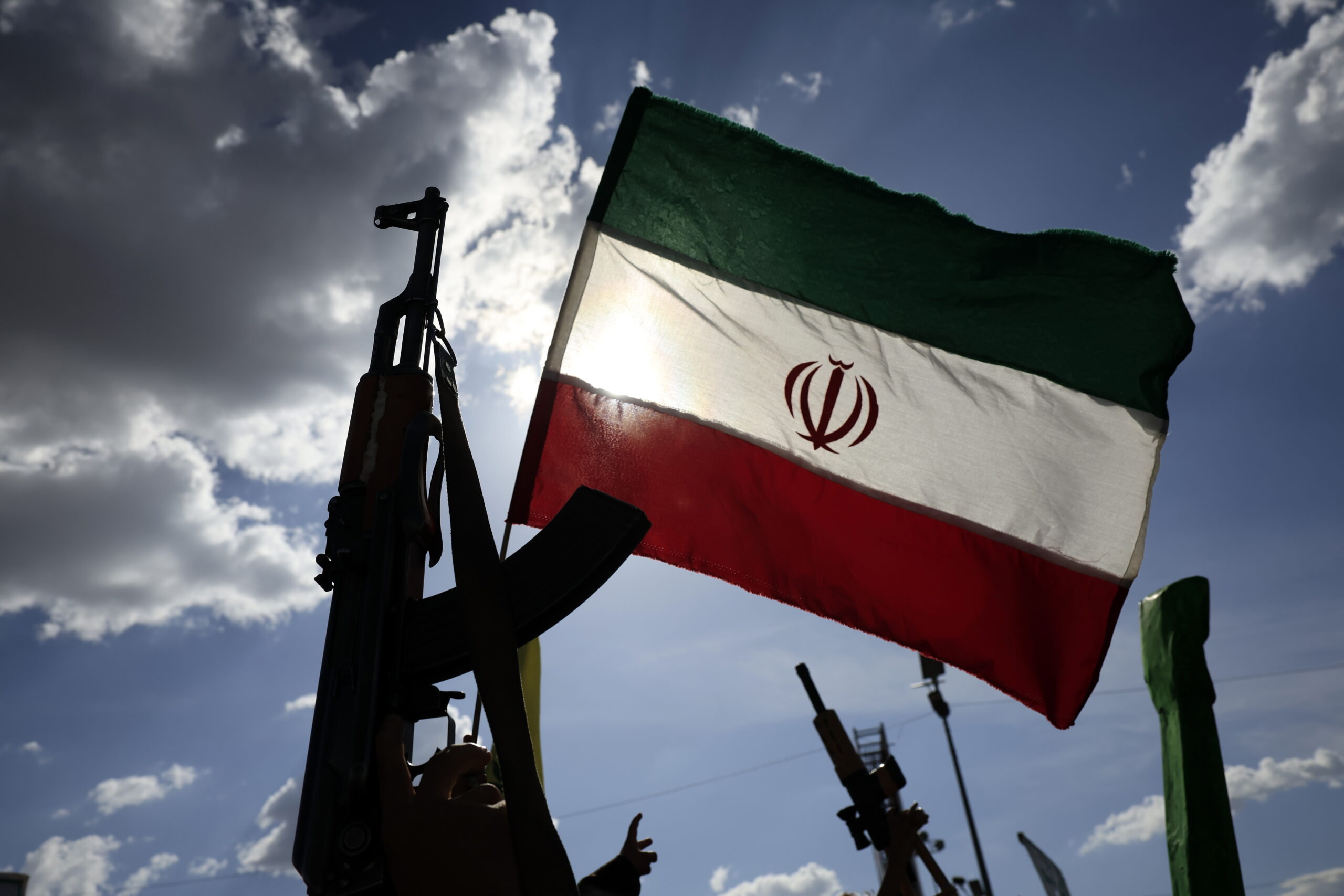
This April 14, entities such as the International Monetary Fund (IMF) and the International Energy Agency (IEA) have warned about the global impacts that will cause war in Iran, mainly in the economic sphere.
The IMF, through an outlook report on the war in Iran, indicates that the growth of the world economy in 2026 ise will be reduced by at least two tenths.
In addition, the IMF noted that this estimate is based on the scenario in which the war in Iran ends in mid-2026; otherwise, There are two other more discouraging scenarios if the conflict continues for longer.
The first scenario is intermediate and indicates that the world economy could be affected by up to eight tenths. The second case, classified by the IMF as “the worst of all” is that world growth falls to 2%, that is, thirteen tenths less.
The entities, according to media such as Infobae, have expressed concern about other factors, such as food security and the loss of jobs derived from the high price of oil, gas and fertilizers.
They also pointed out that the war in Iran could cause the displacement of people and the reduction of travel and tourism, a situation that, they say, “it could take a long time to reverse.”
Iran’s economy in 2026 goes from a growth forecast in January of 1.1% to a contraction of 6.1%, while Other large energy exporters that depend directly on the Strait of Hormuz, such as Iraq or Qatar, would contract between almost 7% and 9%.
As for inflation, the IMF expects the effects of the Hormuz closure to boost an upward trend that was moderating after Donald Trump’s tariffs, and predicts that prices will rise by 4.4% in the world in 2026 (six tenths more than expected in January) and 3.7% in 2027 (three tenths more).
In the other two scenarios proposed by the IMF, The impact of war is even greater.
On the other hand, the report describes a general trend towards geoeconomic fragmentation due to increasing geopolitical risks or the possible extension or modification of US tariffs, and remains doubtful about the true penetration that artificial intelligence can achieve in productivity.
Also read: Ships begin crossing the Strait of Hormuz: What does this mean for the US and Iran?