
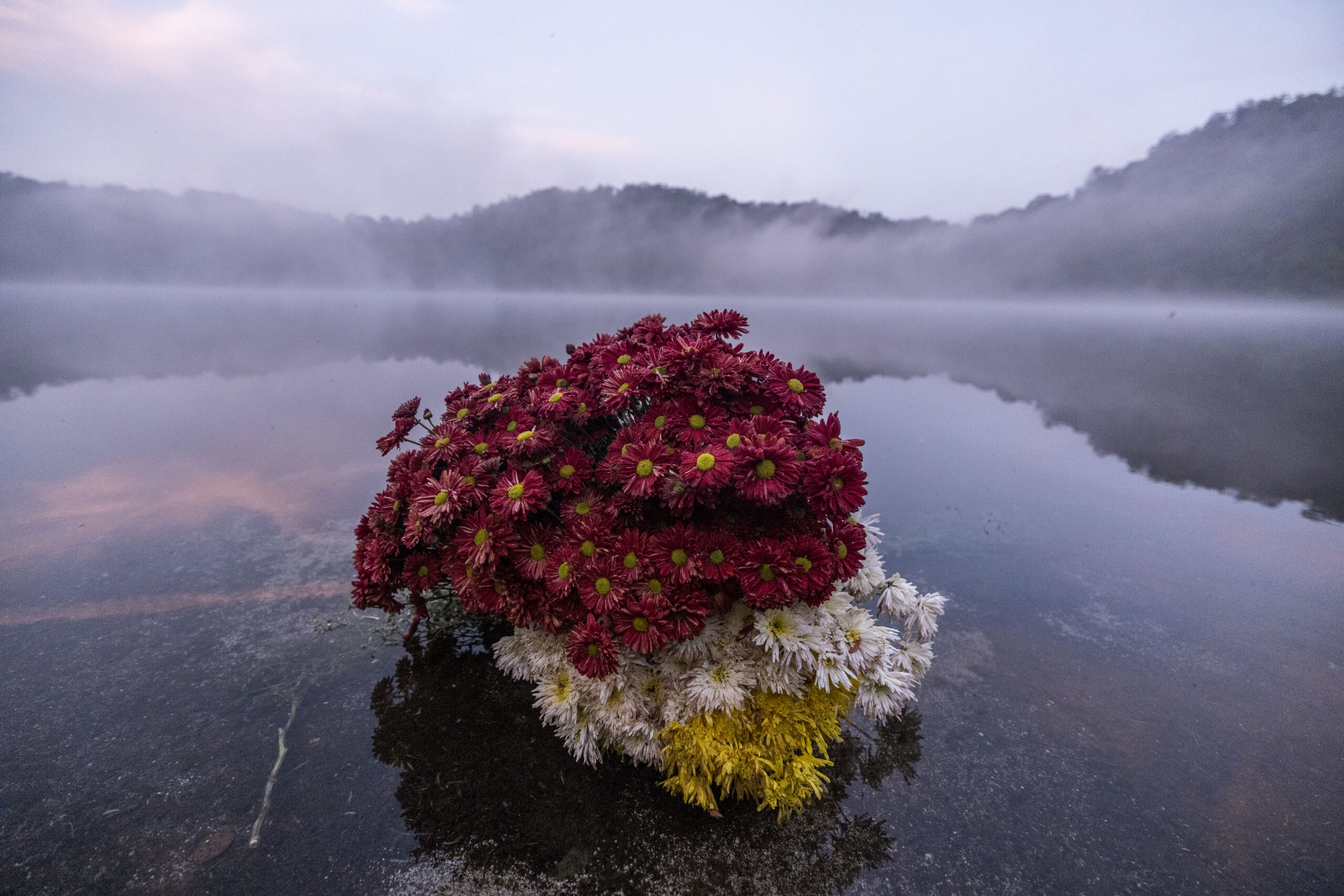
In ancient civilizations, the Earth was considered the mother of all living beings and they worshiped it: the cult of Mother Earth. Currently, there are practically no ancestral peoples left—such as the aborigines of Australia, the Indian tribes of the Amazon, and the pygmies of Africa, to name the best known—who have preserved these traditions. As for current humans, they have come to consider the Earth as a kind of source that provides them with various benefits, to the point of exploiting it beyond reason and to the detriment of their health, the document explains. Appellatio Fraternitatis Rosae Crucis.
The General Assembly designated April 22 as International Mother Earth Day, through a resolution adopted in 2009. Each year, the United Nations commemorates this date through the “Harmony with Nature” initiative, a global platform for sustainable development that organizes an annual interactive dialogue on the occasion of this celebration.
The United Nations website explains that the origins of this commemoration date back to 1970, at a time when environmental protection was not yet a priority on the international political agenda.
The United Nations Conference on the Human Environment, held in 1972 in Stockholm, marked a milestone in fostering global awareness of the interdependence between humans, other living beings and the planet. From this conference, June 5 was established as World Environment Day and the United Nations Environment Program (UNEP) was created.
Currently there are initiatives such as the 2030 Agenda for Sustainable Development and its 17 goals, which outline a greener, fairer and more sustainable path for humanity. Additionally, in December 2022, the world adopted a global biodiversity framework with concrete goals to halt and reverse nature loss by 2050. Each year, world leaders and civil society meet at the conference of the parties (COP) to assess compliance with the Paris Agreement, with COP30 scheduled for November 2025.
What to do from home to help the environment?
- Organize the planting of a plant or tree with the children at home to see its care and evolution up close. Teach them to recognize when they need water, fertilizer, more sun or other aspects.
- Creativity has no limits and at home they can look for tutorials or create their own designs to take advantage of the different materials they have on hand and reuse them.
- Participate in organizing reforestation campaigns, as well as other environmental programs.
- Create school or home gardens in which you participate with your own crops. Celebrate together as you have the harvest.
- Organize the cleaning of places in your communities and neighborhoods, as well as to know and keep water sources clean.
- Shopping these days is changing. Buy in bulk and avoid purchasing too much packaging. Prefer boxes and containers with ecological certification.
- Try to consume especially artisanal and local products, imported foods have a greater impact on the environment. If from home we asked ourselves how it is produced, what the environmental cost is, who it affects and how it affects, we would be more aware of the things we acquire. Many times the products involve massive deforestation and destruction of the species’ habitat.
- At home think about implementing solar panels.
- Turn your organic waste into compost to fertilize the soil for plants.
- Actions as simple as turning off the water when brushing your teeth and only using what is necessary will prevent the vital liquid from being wasted. Fix all water leaks in your home.
- Turn off the lights if you are not using them. This will allow energy savings. Another favorable aspect is to change the light bulbs for energy-saving options.
- The 3R rule, reduce, recycle, reuse is a way to integrate into the order and system. Create a system at home to classify waste.