
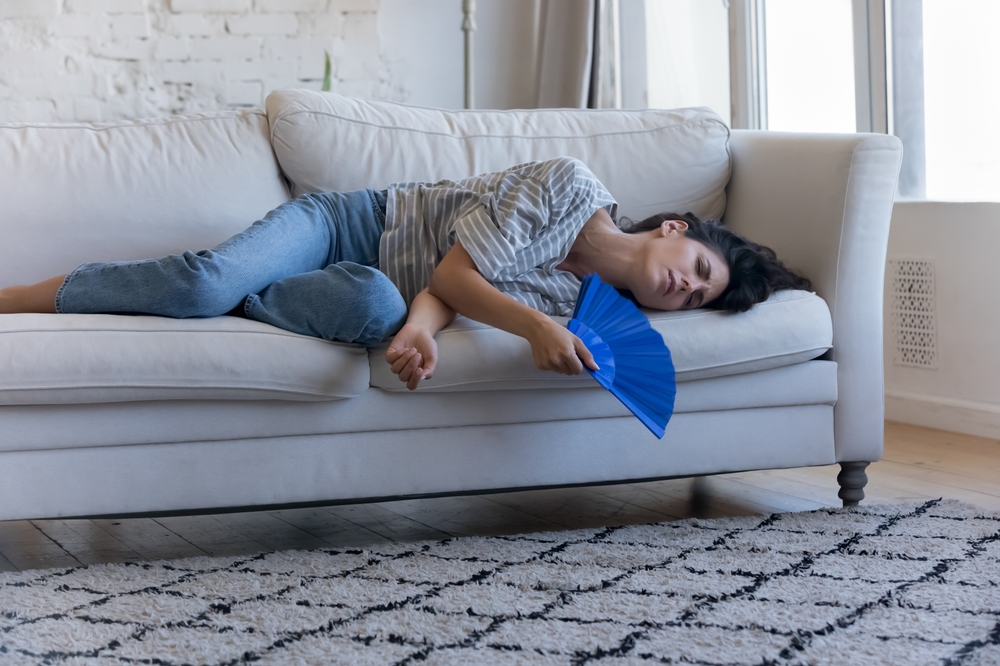
heat stroke It is a condition caused by the body overheating. This usually happens due to exposure to high temperatures or prolonged physical activity in these conditions.. There are a few stages to heat injury, and heat stroke is the most serious. This occurs if the body temperature rises to 40 degrees Celsius or more, explains the Mayo Clinic.
Heat stroke requires emergency medical attention. If left untreated, it can quickly damage the brain, heart, kidneys, and muscles. The damage worsens the longer treatment is delayed, increasing the risk of serious complications or death.
This can be caused by being in a hot environment that increases internal body temperature. It also occurs when performing strenuous activity.
Wearing thick clothing, consuming alcohol, and dehydration from not drinking enough water to replenish fluids also affect the body.
Why is water essential in the body?
Water is essential in the body’s processes. It is vital in digestion, absorption and excretion, and also plays a fundamental role in the structure and function of the circulatory system, as well as a means of transport for nutrients and all substances in the body.
The loss of 20% of body water can cause death, and the loss of only 10% produces serious alterations.
The simplest symptoms of dehydration are dry mouth and tongue, thirst, headache, lethargy, fatigue, dry skin, muscle weakness, lightheadedness, dizziness and lack of concentration.
Meanwhile, people with severe dehydration may present with sunken eyes, lack of tears, sunken fontanels (especially in babies), hypotension (low blood pressure), tachycardia and, in the worst cases, unconsciousness.
☀️ High temperatures also represent a risk! ☀️
The Volunteer Firefighters offer you some recommendations to prevent heat stroke and dehydration during this season: pic.twitter.com/cKZ06hvLxF
— Volunteer Firefighters (@BVoluntariosGT) April 28, 2026
Feeling thirsty is an important warning sign of dehydration. Also check your urine: the more colorless it is, it reflects that your water levels are appropriate. On the contrary, its strong color and smell indicate the need for water in the body.
The Volunteer Firefighters shared some recommendations for the hot season. In a communication on social networks it is suggested:
- Open windows early and at night
- Drink water, even if you are not thirsty
- Wear a cap, hat or umbrella
- Apply sunscreen and reapply it every 2 or 3 hours
- Wear light, loose-fitting, light-colored clothing
- Reduce outdoor activities between 10 and 16 hours
- Do not leave lighters, aerosols or plastic bottles exposed to the sun
- Ventilate the vehicle before getting in
What to do if heat stroke occurs?
The Mayo Clinic makes the following recommendations in case of heat stroke:
It is important to take the person into the shade or into an enclosed environment, remove excess clothing, and cool him or her with any means available: place him in a bathtub of cold water or a cool shower, spray him with a garden hose, sponge him with cool water, fan him while spraying him with cool water, or place ice packs or cold, wet towels on his head, neck, armpits, and groin.
Recommendations and mistakes to hydrate
Water is lost daily with actions such as breathing, sweating, urinating or having a bowel movement. This makes it important to frequently consume water through drinks and food. How much is needed? Although it has been said that eight glasses of water a day are enough, each person may need different amounts, depending on their constitution and physical activity.
The National Academies of Sciences, Engineering, and Medicine determined that consumption for men is a little more than three liters and for women approximately 2.7 liters per day, which could represent between 15 and 11 cups.
Water is the best recommendation to reach optimal levels. What you eat also plays a role: foods with the highest water content are lettuce, celery, cucumber, spinach, carrots, watermelon, oranges, apples and grapes, to name a few.
The Mayo Clinic also reports that other beneficial drinks in this hydration process are milk, juice, and herbal teas.
It is important to know that coffee, although it is a drink, in high quantities has a diuretic effect that could contribute to dehydration. This effect has also been demonstrated in alcoholic beverages and sodas.
It is indicated that isotonic drinks should only be consumed when doing intense exercise for more than an hour. These drinks help replace electrolytes lost through perspiration. Energy drinks, on the other hand, are high in caffeine or other stimulants, sugar, and other additives, and are not intended to hydrate.
Although it is rare, you should also avoid drinking too much water. When this happens and the kidneys cannot eliminate the excess, the sodium content in the blood is diluted, which produces hyponatremia, which is dangerous for humans.