
Hantavirus is a virus that has existed for centuries and is found in wild rodents, such as rats and mice. There are more than 50 identified strains in the world, each associated with a specific rodent species.
The name resonated recently after news broke that the Andes strain of hantavirus, also known as andeanwas detected in two people evacuated from a cruise ship.
“In Latin America, the best known and most dangerous strain is the Andes strain, predominant in Argentina and Chile, which has the exceptional peculiarity of being the only strain in the world capable of being transmitted from person to person”explains Nancy Sandoval, internist and infectious disease specialist.
This strain can attack the lungs and cause hantavirus pulmonary syndrome, which can have a mortality rate of more than 35%.
According to the expert, The first symptoms can be confused with a bad flu or gastroenteritis, Because an infected person may have a high fever, chills, severe muscle pain, headache and, in some cases, gastrointestinal symptoms.
“Pay attention if the patient develops progressive difficulty breathing, a feeling of suffocation or lack of air and may go into shock within a few hours. The lungs fill with fluid, known as pulmonary edema, and the heart may fail or stop. This deterioration can be so rapid that in 24-48 hours a patient who “only had a fever” needs mechanical ventilation and management in a critical area,” he explains.
Patients can survive with proper treatment in a hospital, although There is no specific medication that eliminates the virus directly.
“Hantavirus infection cannot be managed at home and, once the diagnosis is established or considered a suspected case, requires hospitalization. In moderate or severe cases, admission to an intensive care unit must be made,” says Sandoval.
Add that The treatment seeks to keep the patient alive while their immune system fights the virus.since there is no specific approved antiviral.
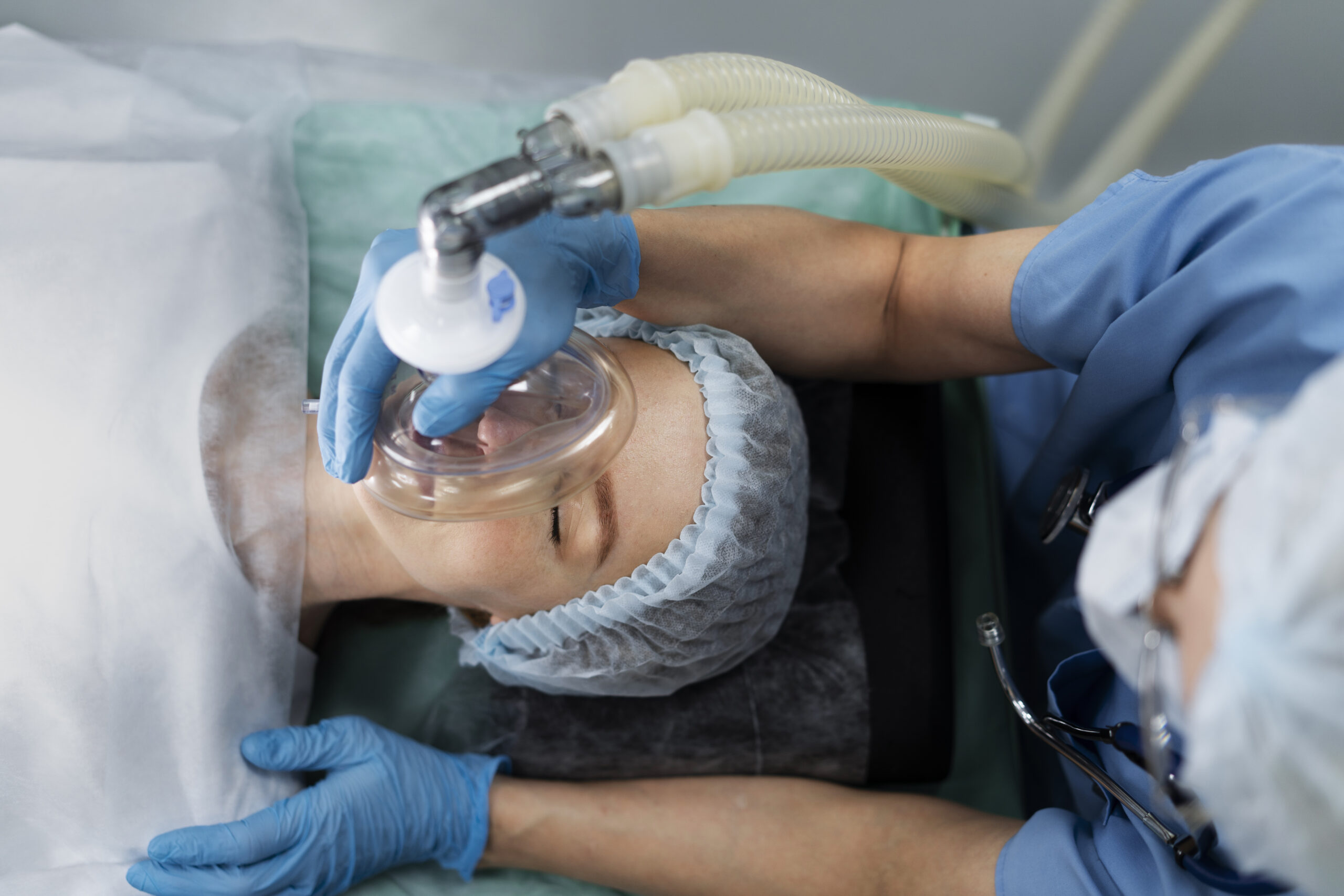
“Supplemental oxygen and, in severe cases, mechanical ventilation are sometimes used to supplement lung function.; careful fluid management to control pulmonary edema without overloading the heart; hemodynamic stabilization to treat circulatory shock with vasoactive medications and, definitely, continuous monitoring of cardiac, renal and respiratory function in the intensive care unit,” he explains.
Sandoval adds that The mortality rate of hantavirus pulmonary syndrome in Latin America ranges between 30 and 40%, but this figure improves significantly when the patient arrives early and is initially treated in a well-equipped intensive care unit. or in specialized centers with experience in the management of this disease.