The art, history and generational legacy converge in celebrations that, every year, transform the streets of Guatemala into living scenarios of identity and tradition. In the cradle of the Mayan civilization, each holiday becomes a mirror of cultural wealth that has flourished over the centuries, where ancestral wisdom resonates and the deep trace of Spanish influence is perceived.
Guatemala, woven by the diversity of its native peoples, protects a vibrant legacy of customs and traditions that reveal its unique essence: intense colors, dances, rituals, flavors and artistic expressions that dazzle in each celebration, providing the country with an unmistakable identity that is manifested in every corner.
This cultural heritage not only captivates those who visit the country from different parts of the world, but also ignites in the new generations the desire to preserve and honor their roots. Despite the passage of time, social changes and technological advances, Guatemalan traditions remain alive, almost intact, such as a bridge between the past and the present.
Enhanced by their only landscapes, these cultural expressions transcend the everyday and become unrepeatable moments that celebrate history and strengthen identity.
Below are some customs and traditions of the country that excite, inspire and continue to show the world the cultural beauty of the cradle of the Mayan world.
1. Giant kite
Declared Intangible Cultural Heritage of Humanity by UNESCO, the traditional flight of giant kite is one of the most representative celebrations of Guatemalan folklore. This expression remains alive as a cultural heritage that symbolizes the connection between the earthly plane and the world of the deceased.
Held every November 1, on the day of the deceased saints, this cultural and artistic manifestation, taken to a monumental format, originated as part of a tradition of indigenous peoples of what are now Santiago and Sumpango, in the department of Sacatepéquez.
In these communities, comets made with China role were conceived as a bridge between the physical and the spiritual world, with the purpose of sending messages to the ancestors in the hereafter, in addition to moving away the evil spirits that, for years, had tormented them.
The technique of elaboration of the kite, which begins several months before its exhibition, was also recognized as Intangible Cultural Heritage of Humanity, being considered one of the most representative cultural processes in the country.
Barrileteros prepare special designs that exhibit next to the Sumpano cemetery. (Free Press Photo: Álvaro González)
2. The flying stick dance
At the top of a trunk that revolves vertiginously, two men dressed in monkeys execute an ancestral choreography that embodies the sacred connection between the human being and nature. This is the dance of the flying stick, a ceremony of deep symbolism inspired by passages of the Popol Vuhthe Sacred Book of the Maya.
More than an exhibition of physical skill, this ritual is a living expression of Mesoamerican cosmogonic thought, where each stick turns represents an axis between the earthly world and the spiritual universe.
His practice, loaded with meaning and mysticism, is considered by scholars as one of the purest manifestations of the Mayan inheritance in Guatemalan traditions, which is celebrated in Quiché and Baja Verapaz during the festivities.
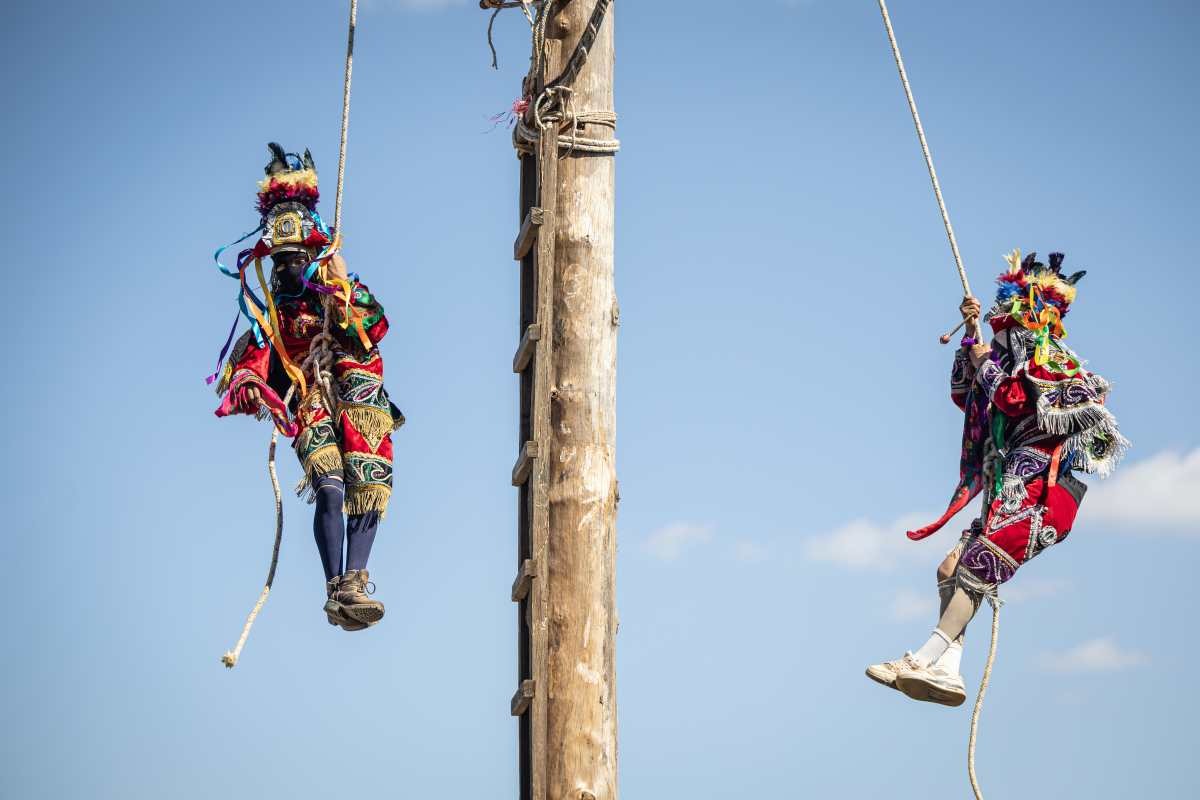
The Voyid Palo Dancer It is a millenary tradition of Mayan origin that takes place in the community of Baja Verapaz and Quiché, its origin dates back to the Mesoamerican preclassic period. (Free Press Photo: EFE)
3. Tape races
At the top of the lands of Huehuetenango, every year the horses gallop to the rhythm of a tradition that combines equestrian competition and human skill.
Dresses with folk costumes adorned with red tapes, multicolored and embroidered feathers inspired by the ceremonial attire of all the saints Cuchumatán.
The challenge is to catch a small ring with a rod while rising at full speed, in a ceremony that combines party, skill and symbolism, and that refers to the adaptation of indigenous peoples, during the colony, to the use of the horse as a means of transport.
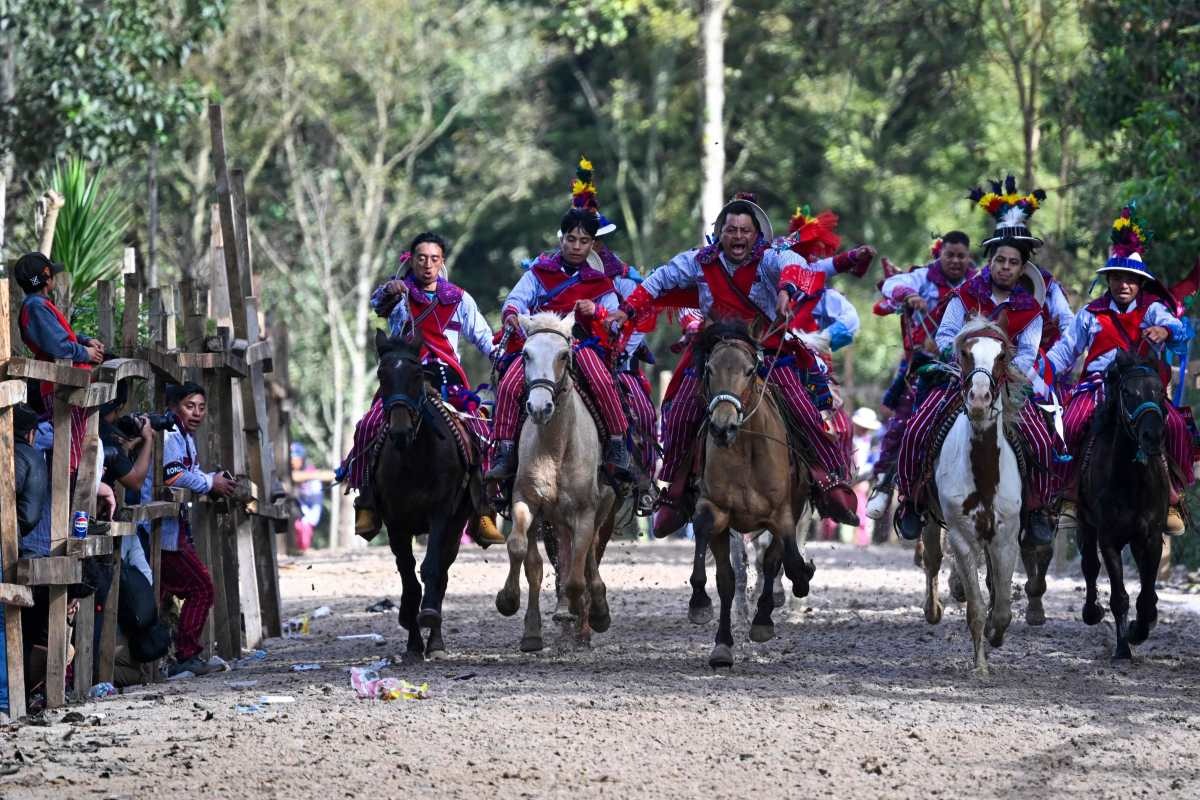
Every November 1, the traditional tape race is celebrated in Todos Santos Cuchumatán, Huehuetenango. (Free Press Photo: AFP)
4. Holy Week in Guatemala
Holy Week is one of the most relevant celebrations in the country, where faith, art and culture merge into a single space, filling places such as the historic center of Guatemala and the former Guatemala, which become the scene of this holiday, considered an intangible cultural heritage of humanity.
With multicolored carpets made with dyed sawdust, wooden chip and flowers, the passage of processional andas, delivered as an offering to the sacrifice of Jesus Christ is adorned. This liturgical time is celebrated in Guatemala with sacred music, art and gastronomy throughout the territory.
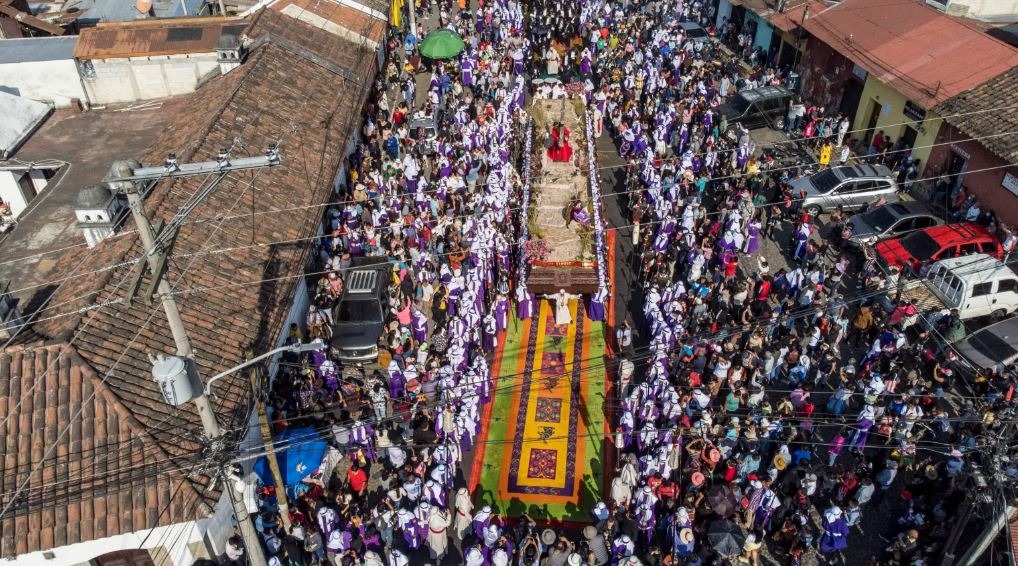
Viva Cultural Manifestation, Holy Week in Guatemala has been recognized worldwide as Intangible Cultural Heritage of Humanity, thanks to its deep syncretism. (PHOTO FREE PRESS: PL hemeroteca).
5. The Devil’s Burning
Representing the victory of good over evil, the devil’s burning is a tradition that, every December 7, takes the Guatemalans to burn figures with demonic form in front of their homes, at 6 pm.
Its origin is related to the ancient luminaires or verbenas that were held from the eve of the feast of the Virgen de Concepción. Although it is not entirely clear, it is believed that this tradition arose due to Spanish influence. Over time, it became a representation of the triumph of good over evil, an allegory of the victory of the Virgin of Conception over the demon.
Thus, the fire not only purifies households, but also symbolizes a spiritual battle in which darkness is consumed by light.

The devil burns because the fire is considered a purifying element. (Free Press Photo: Keneth Cruz)
6. Rabinal Achí
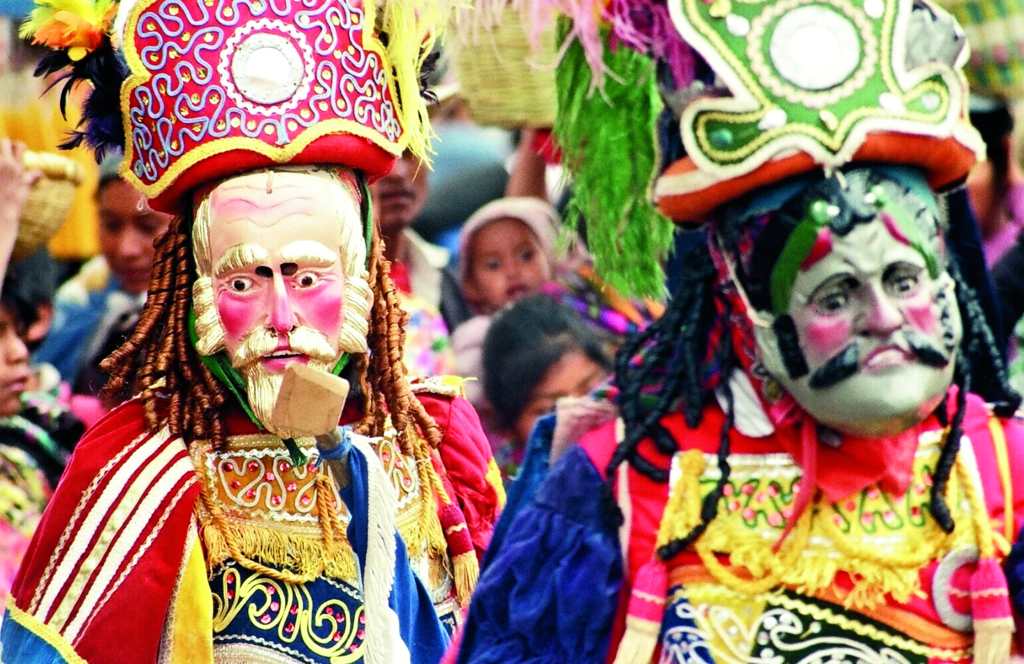
He Rabinal Achí It is a ceremonial dance considered a Mayan dynastic drama of the 15th century and one of the few living testimonies of pre -Hispanic tradition in Mesoamerica. This scenic representation tells the conflict between the K’iche ‘and Rabinalb peoples, and transmits the worldview of the Achí people through a story loaded with symbolism, memory and identity.
Divided into four acts, this staging is presented every January 25 in the municipality of Rabinal, Baja Verapaz, as part of the festival dedicated to San Pablo. In it, music, ritualized dialogue and ancestral language are combined to keep a deeply rooted tradition in the country’s history alive.
Because of its cultural and historical relevance, the Rabinal Achí He was declared Intangible Cultural Heritage of Humanity by UNESCO. Its permanence not only reflects the resistance and continuity of Mayan thought, but also represents a unique scenic jewel in America.
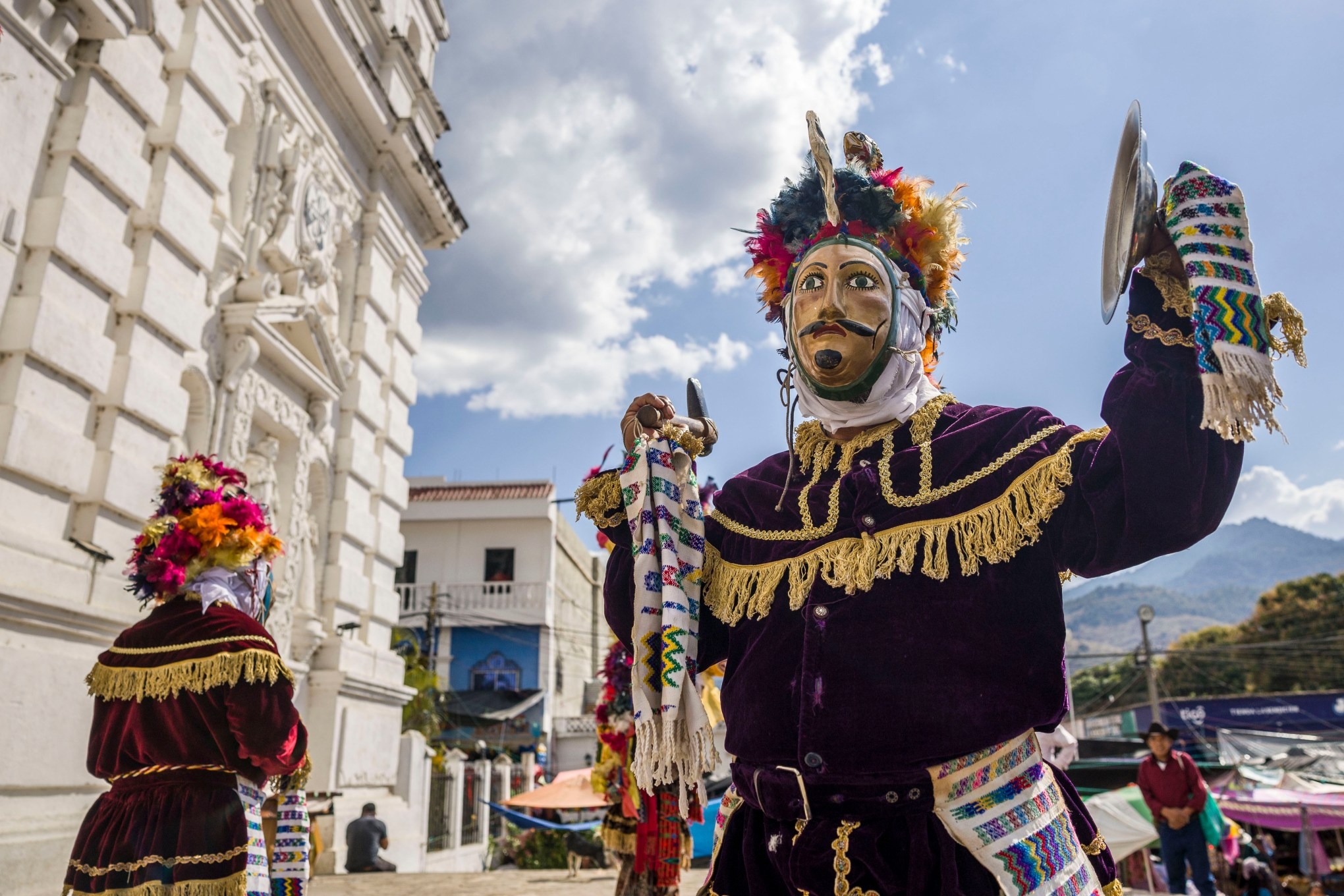
With masks and colorful clothes, indigenous settlers of the municipality of Rabinal, in Baja Verapaz, interpret the Rabinal Achí In this file image. (Free Press Photo: EFE)
7. Preparation of File
Considered a family tradition linked to the commemoration of All Saints’ Day, the elaboration of File is one of the maximum expressions of the diversity and wealth of Guatemalan gastronomy. This preparation pays tribute to the memory of those who are no longer on the earthly plane.
Outstanding for its flavor and ingredients such as soft cheeses, sausages – such as chorizo and sausages -, pickled vegetables and cured meats, the colder is a multi -layer recipe that reflects both the culinary abundance and the mestizo heritage of the country.
This preparation is considered a tradition for the union that generates every November 1, by gathering the family in its elaboration and preserving an ancestral legacy through its own recipe.
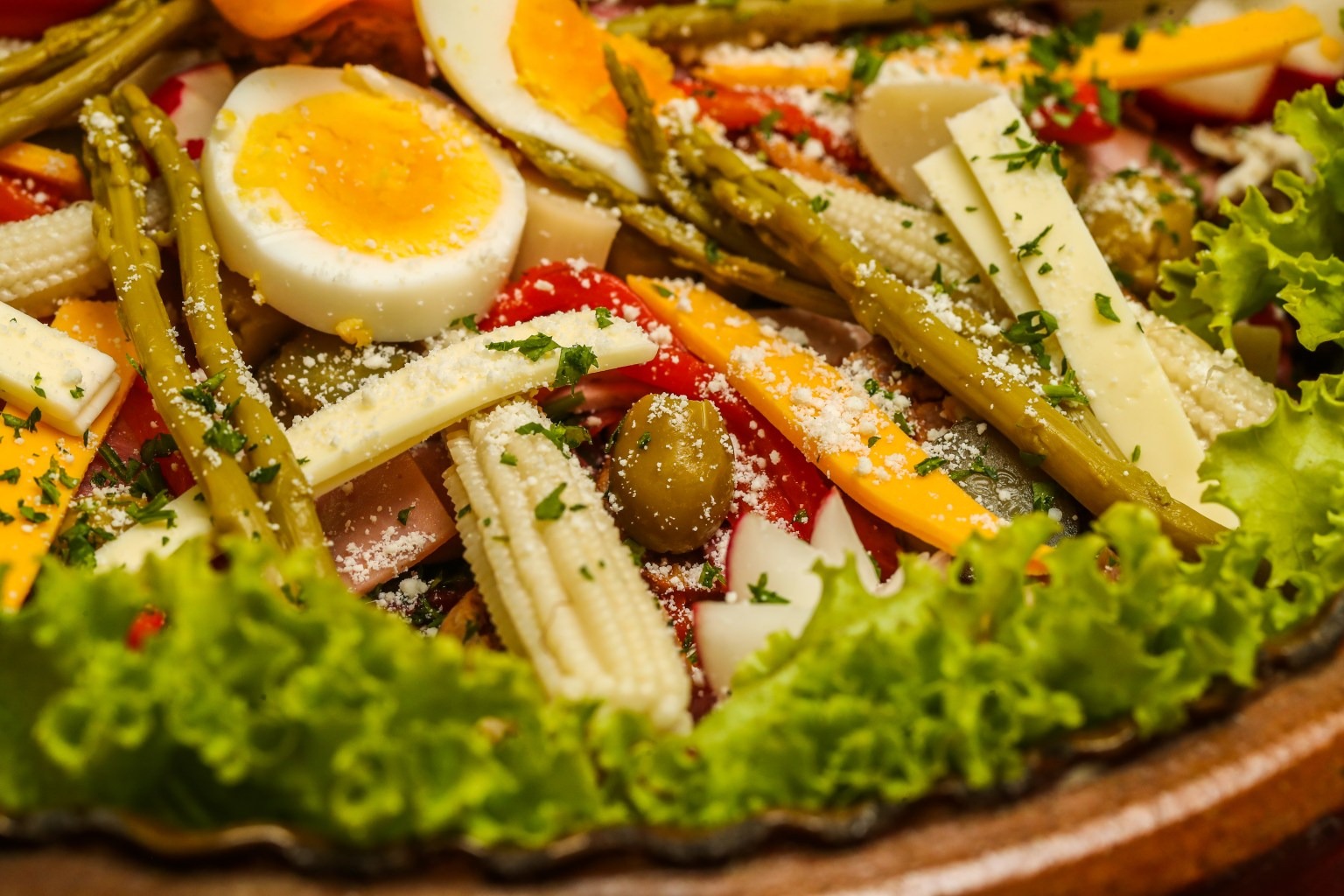
File is the traditional dish that accompanies the celebration of All Saints Day. (Free Press Photo: Juan Diego González)
8. Buffo parade
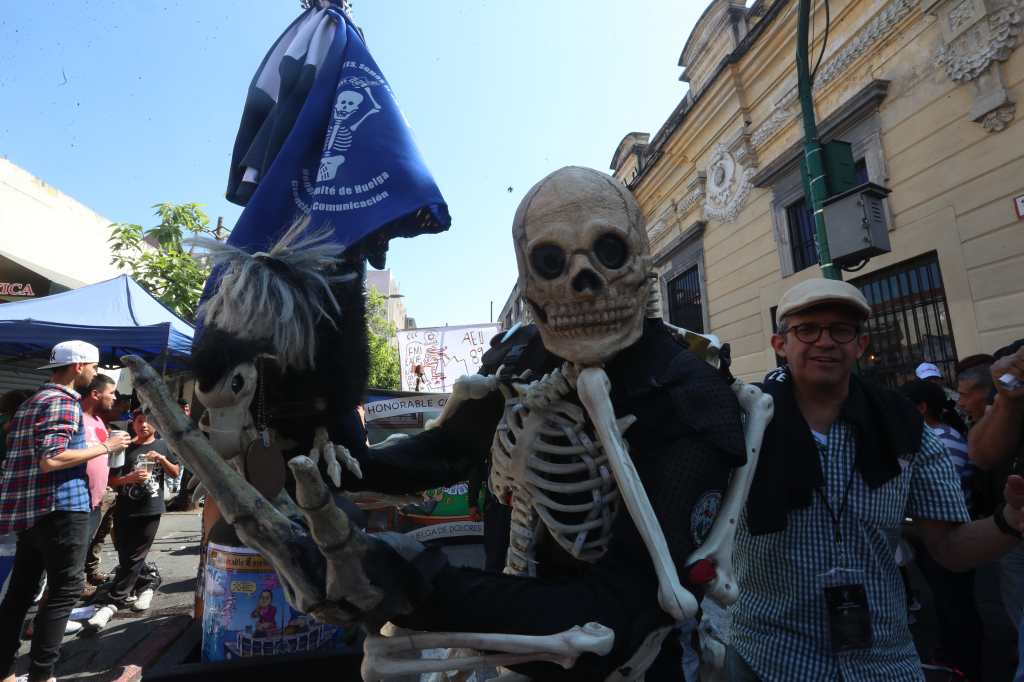
Started by students from the University of San Carlos de Guatemala (USAC) in 1898, the Bufo parade emerged as a form of protest against President Manuel Estrada Cabrera, who was accused of perpetuating a dictatorship after remaining 22 years in power. This festive and critical expression marked the birth of the strike of Dolores, one of the most emblematic student traditions in the country.
Since then, every year during Lent, university students travel the streets with costumes, floats and messages loaded with satire, denouncing the abuses of power and corruption that affects various sectors of Guatemalan society. The parade combines humor with an acute political criticism, using parody as a tool for expression and resistance.
More than a celebration, Dolores’s strike has become a thermometer of the citizen feeling. Through the Bufo parade, students channel social discontent and reaffirm the historical role of the public university as critical awareness of the country.
9. Christmas inns
One of the most endearing traditions of the Guatemalan calendar is that of Christmas inns, celebrations deeply linked to the birth of Jesus Christ and the spirit of Christmas. This custom begins on December 16 and summons families and friends who, with songs and lights, travel the streets in a symbolic representation of Maria and José’s trip in search of accommodation.
During the tour, the participants sing Christmas carols and carry images of the Infant Jesus, the Virgin Mary and San José, stopping in houses previously designated to ask for Posada. This act revives biblical pilgrimage with a sense of community, faith and spiritual preparation for the arrival of the Savior.
More than a simple celebration, Christmas inns strengthen family and neighborhood ties, and keep alive a tradition that unites religious devotion with the festive joy that characterizes Guatemalan Christmas.
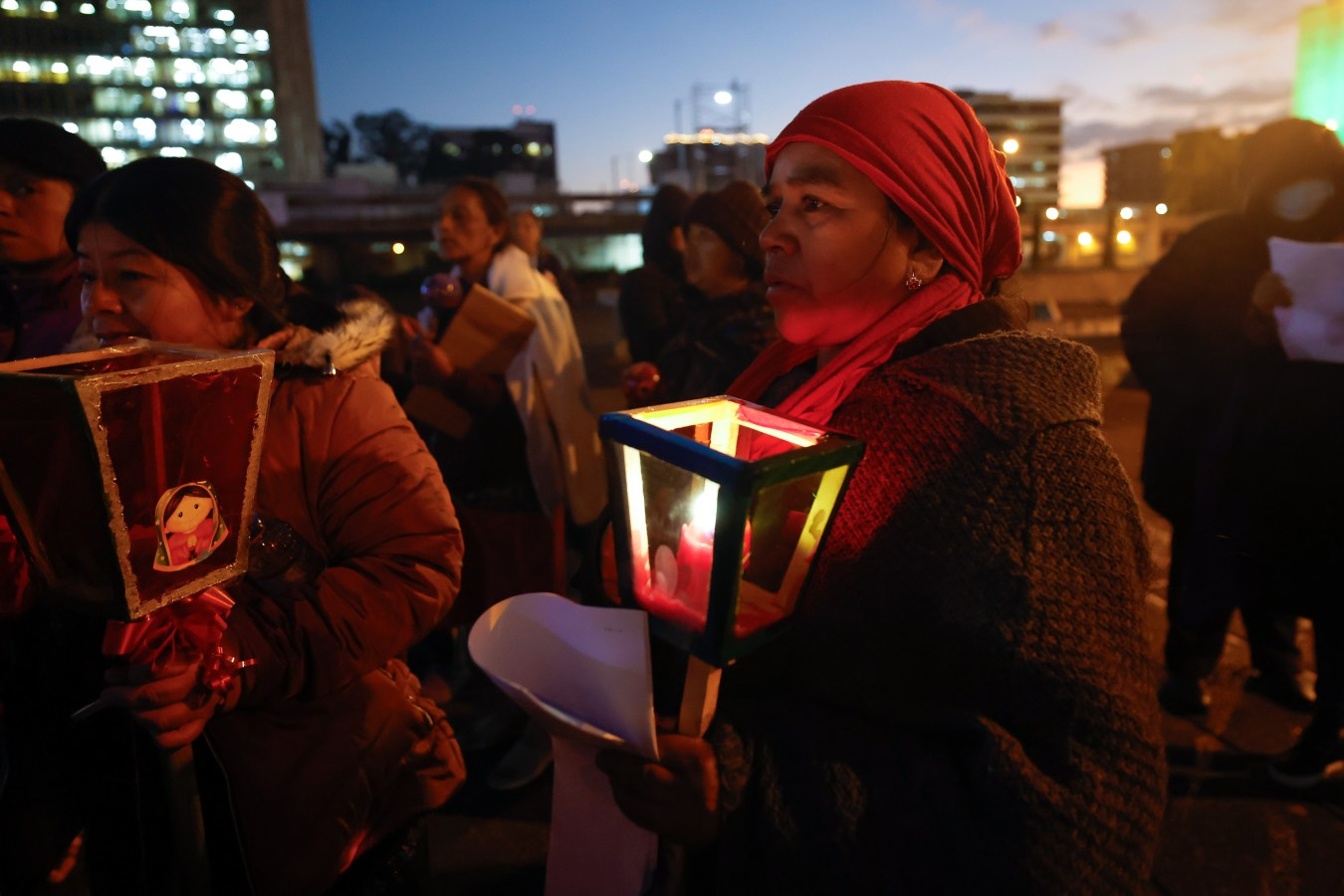
The sound of the turtle announces the pilgrimage that gave way to the birth of Jesus Christ in Bethlehem. (Photo, Free Press: PL hemeroteca)
10. Conquest dance
The conquest dance represents the confrontation between the K’iche ‘army, led by Tecún Umán, and the Spanish forces commanded by Pedro de Alvarado. This tradition of colonial origin dramatizes the triumph of the conquerors over the native peoples of Guatemala, Mexico and El Salvador, as well as the imposition of the Catholic Church and the power of the Spanish crown from the 16th century.
Originally written by Spanish friars as an instrument of evangelization, this dance also incorporates indigenous elements, reflected in historical manuscripts of the 16th century. Among them are the titles of Ixquín-Nehaib and that of Mr. Coyoy, which, according to the anthropologist Carlos René García Escobar, document the vision of the original peoples on the war events of the time.
Because of its historical and symbolic relevance, the dance of the conquest has remained as a cultural tradition that every year comes alive in places and streets of the country, evoking one of the most transcendental episodes of the Mesoamerican past: the beginning of a new era, marked by miscegenation, imposition and memory.