
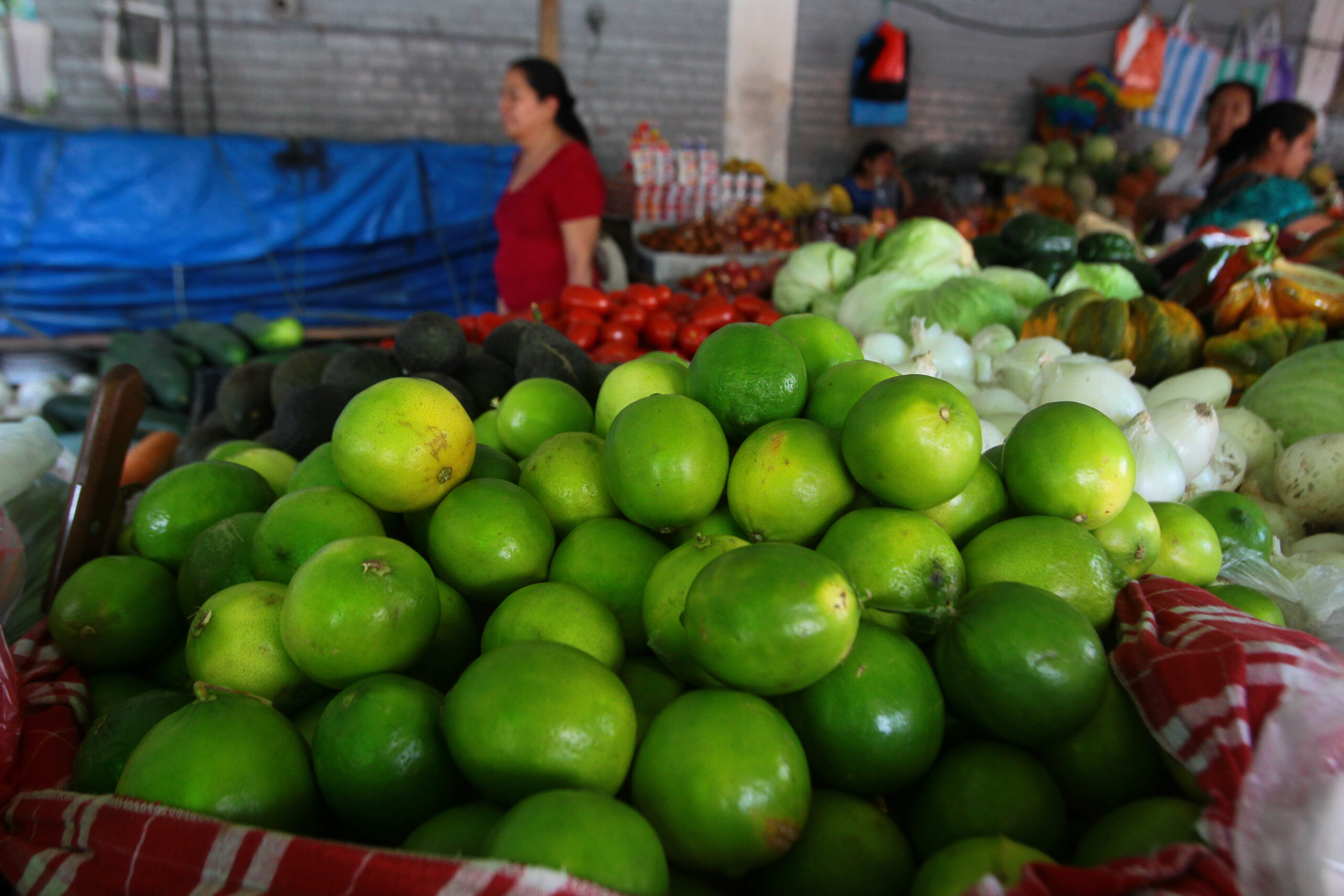
The genre Citrus belongs to the Rutaceae family and includes the fruits of the species of citrus commonly called lemons, although it is important to mention that in Guatemala acidic limes are called lemons.
in the book Nutritious recipes that healfrom Editorial Oceano, it is mentioned that the medicinal properties of plants have been known for centuries. In history there are documents from Romans, Egyptians, Greeks, Persians and other cultures that demonstrate that plants were used to cure known diseases.
The pharmaceutical industry itself relied on isolating these properties to offer them in a purer form. Herbalists insist that nature provided medicinal plants with other ingredients that balance the more potent components. Although they are less powerful, they work harmoniously with them.
An article published in Prensa Libre describes that lemon was introduced to the American continent approximately in the 16th century by Spanish explorers and that, during the 18th century, it became indispensable among sailors, who consumed it in abundance during their long voyages because they knew that it protected them from scurvy, a common disease when there is a lack of vitamin C (ascorbic acid), caused by the scarcity of fresh food on the ship and because provisions tended to rot.
Although the health benefits of this fruit were already known, it was not until 1932 when the richness in vitamin C contained in this citrus fruit was discovered.
The lemon is the berry fruit of the lemon tree, an evergreen and thorny tree of the Rutaceae family. According to their size, lemons can be classified as small, medium and large; and for its color, in greens and yellows, with a very juicy and aromatic pulp that contains few seeds. The most beneficial climates for its growth are temperate and tropical.
In Guatemala, according to estimated figures for 2022, 95.16% of lemon and lime production was destined for local consumption and 4.84% for export to the United States, according to the Ministry of Agriculture, Livestock and Food.
Properties
Lemon is a low-calorie and low-fat fruit. According to the Spanish Nutrition Foundation (FEN), 3.5 ounces (100 grams) of lemon provide only 44 kilocalories and 0.014 ounces (0.4 grams) of total fat.
In addition, 3.4 fluid ounces (100 milliliters) of homemade lemon juice provide 62% of the daily needs of vitamin C, essential to protect blood vessels and benefit the health of bones, teeth and skin.
The vitamin C in lemon also helps wound healing, promotes the absorption of iron and plays a crucial role in the proper functioning of the immune system, thus preventing infections and other diseases.
Among the minerals that lemon provides are potassium, selenium, iron and magnesium in significant doses, which together with vitamins C, B and E enhance the activity of white blood cells.
Its regular consumption exerts a beneficial action on the cardiovascular system, especially in cases of arteriosclerosis and high blood pressure, because citric acids help oxidize and eliminate fats that hinder the work of the heart.
It also stimulates bile secretions and helps metabolize fats, making it beneficial for people with liver and gallbladder diseases.
Due to its refreshing and antiseptic properties and its vitamin C content, lemon relieves certain respiratory tract conditions, as well as some throat inflammations, hoarseness and tonsillitis.
Orange, lemon, and grapefruit juices, as well as whole citrus fruits (lemon, orange, grapefruit, kiwi), are sources of acidity. Using straws when drinking acidic drinks allows you to limit the contact of acids with your teeth.
To cook
In gastronomy, lemon is a fruit widely used not only to season or marinate meats and fish, but also to make sauces — a splash of lemon, egg and oil are the basic elements of the popular mayonnaise — and drinks, because its subtle acidity highlights other flavors.
In baking, it is a product widely used both to flavor and to become the main ingredient in the well-known lemon cake, as well as frozen or slushy lemons.
There are elaborate dishes, such as ceviche in Latin America, in which lemon is essential to provide flavor. There are also cuisines, such as those of some Arab countries, where this fruit is used to make pickles with salt for tagines, soups and salads.
Thanks to its high antioxidant power, it prevents the oxidation of other foods, fruits and vegetables, such as apples, artichokes or cauliflower. It also helps keep preparations like guacamole fresh.
In addition, a lemon cut in two helps dissipate bad odors in the refrigerator and also helps prevent flies and mosquitoes by placing several cloves in its pulp.