
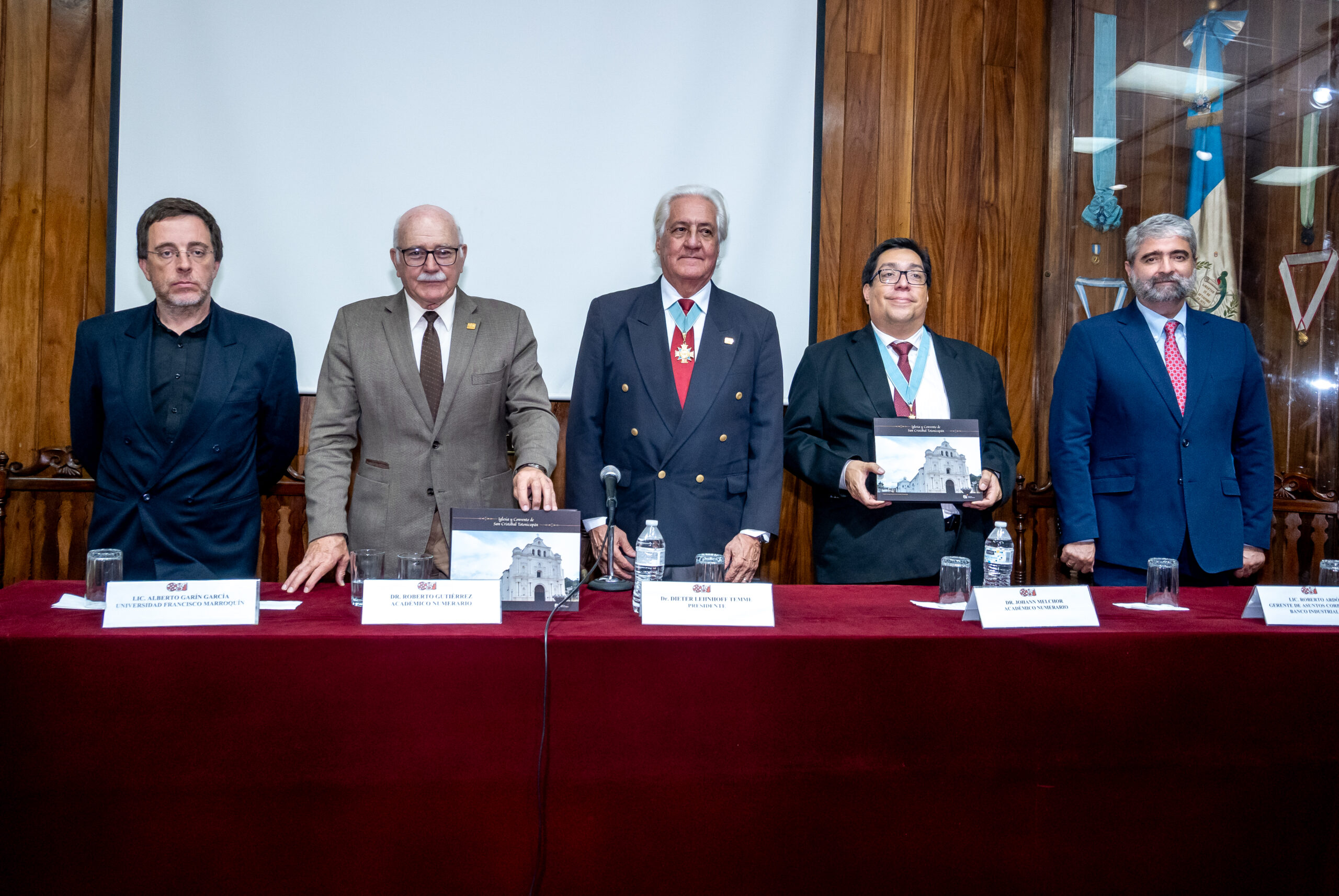
The Church and Convent of San Cristóbal Totonicapán is one of the oldest buildings that were built in the Kingdom of Guatemala (far from its Capital Santiago de Guatemala), in the Viceregal era and that is best preserved to date.
The current Church was consecrated in 1711, but there was a previous one from the end of the 16th century, which was semi-destroyed by the Santa Olaya earthquake on February 12, 1689. The Presbytery and the circular bell tower are still preserved from this first one.
This book, which took 3 years to prepare, documents the architectural, historical and symbolic richness of the complex, highlighting its relevance within the national heritage and its role in the construction of cultural identity.
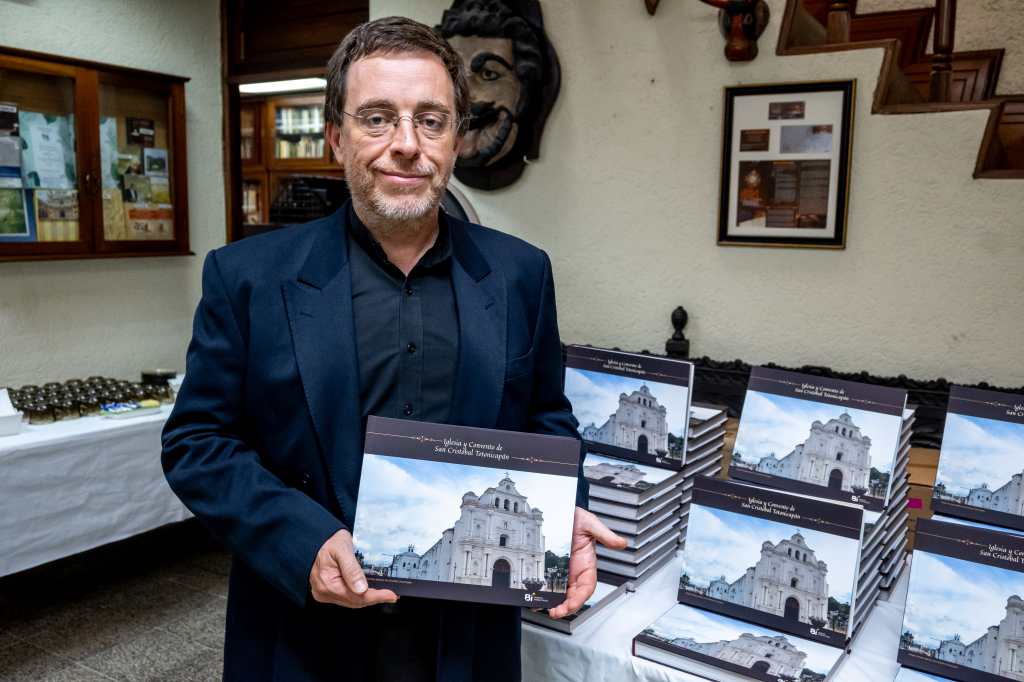
Alberto Garín, a Hispanic-Guatemalan, with a degree in archeology and a doctor in architecture, was in charge of the study of the architectural part of the church of San Cristóbal Totonicapán. In his studies he highlights that the community of Cristobal faithful grew so much that the church became small and they directly had to build a new church.
“In 1650 the church as such was doctrinal aimed at ensuring that the locals became good Christians; at the end of the 17th century, that process was being completed. The faith that moved the construction of the church continues to live to this day in San Cristobal Totonicapán, to the point that it would be difficult to understand that town without its church, beyond the fact that there may be people who follow other parts of Christianity,” says Garín.
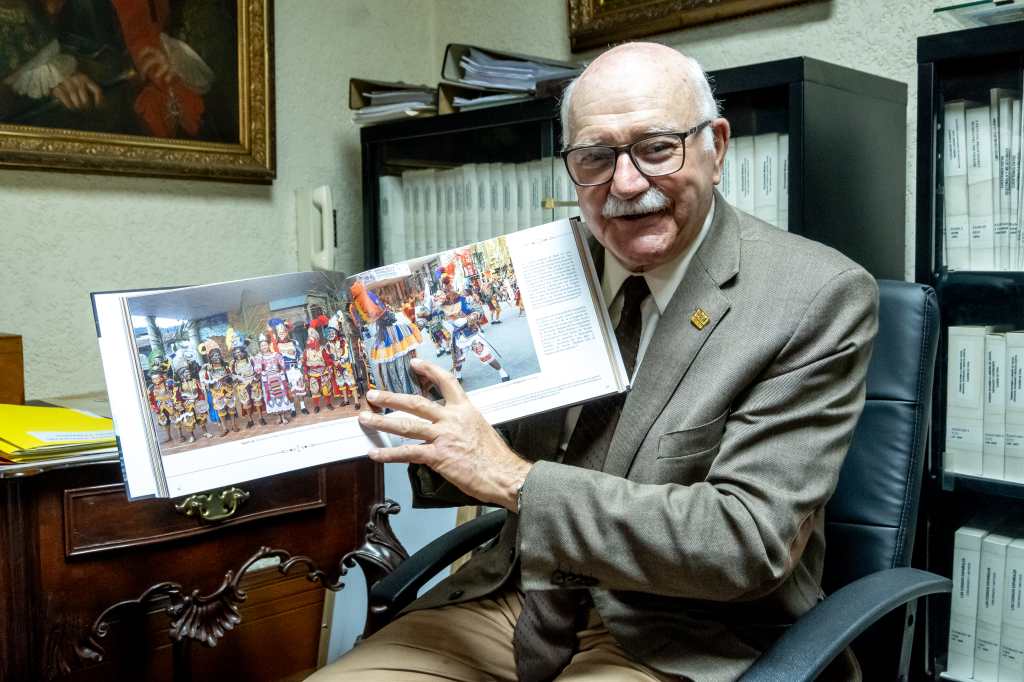
For his part, Roberto Gutiérrez, originally from San Cristóbal Totonicapán, chemical engineer, with master’s degrees in social anthropology and ethnology, doctorates in sociology, political science and history; He expressed that the intention of participating in the book was, “to recover the history of the convent, which is very valuable, to cause people to be interested in getting to know the town of San Cristóbal, and in addition, of this architectural complex, also for the new generations to know that this town is one of the oldest in the country in the morería; it is the place where they handcraft the traditional costumes of the ancestral dances that correspond to the Dancing Atlas for the different traditional festivals.”
Altarpieces, paintings and sculptures
Johann Melchor Toledo, art historian, graduate of the UNAM of Mexico; He commented that, since his student years, after visiting San Cristóbal Totonicapán, the idea of investigating in more depth was born and it was, until now, in the company of his other co-authors, that they got down to work.
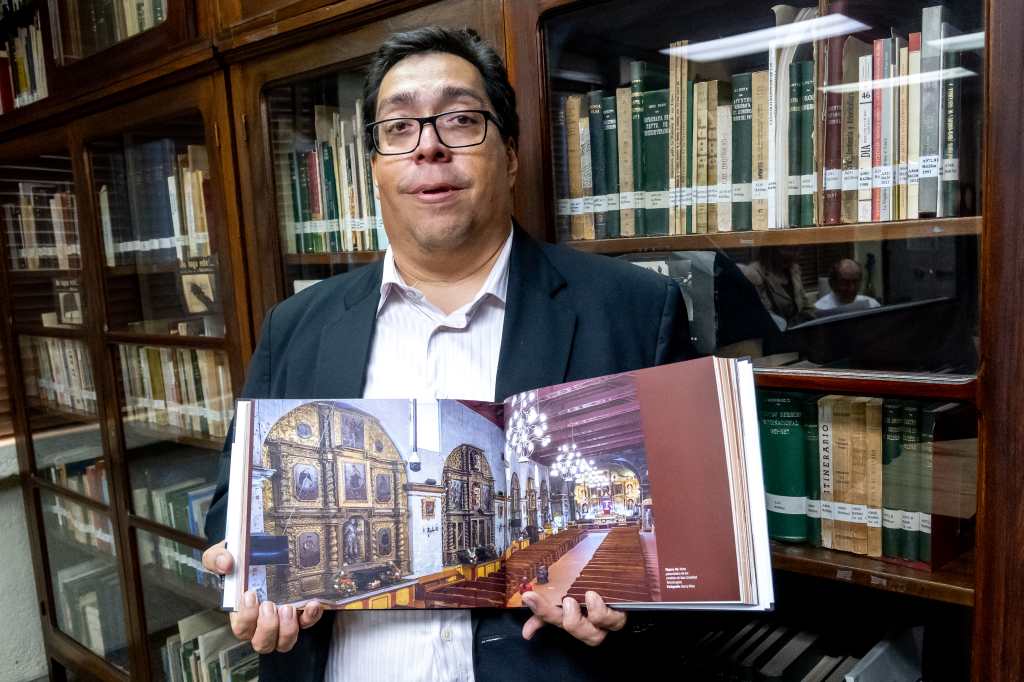
“The most shocking thing for me were the 14 altarpieces that the church has, that motivated me to see the archival documents, I went to the parish and found that each of them were ordered to be made by each brotherhood. In each book the expenses of the brotherhoods are detailed and how they were making each of the altarpieces. This is a rescue of history, because it is one of the oldest and largest churches in Guatemala that preserves all its altarpieces,” he explained Melchior.
As highlighted in the editorial content, this project reflects Banco Industrial’s commitment to the promotion, preservation and dissemination of Guatemala’s cultural heritage, strengthening pride and connection with the country’s roots.
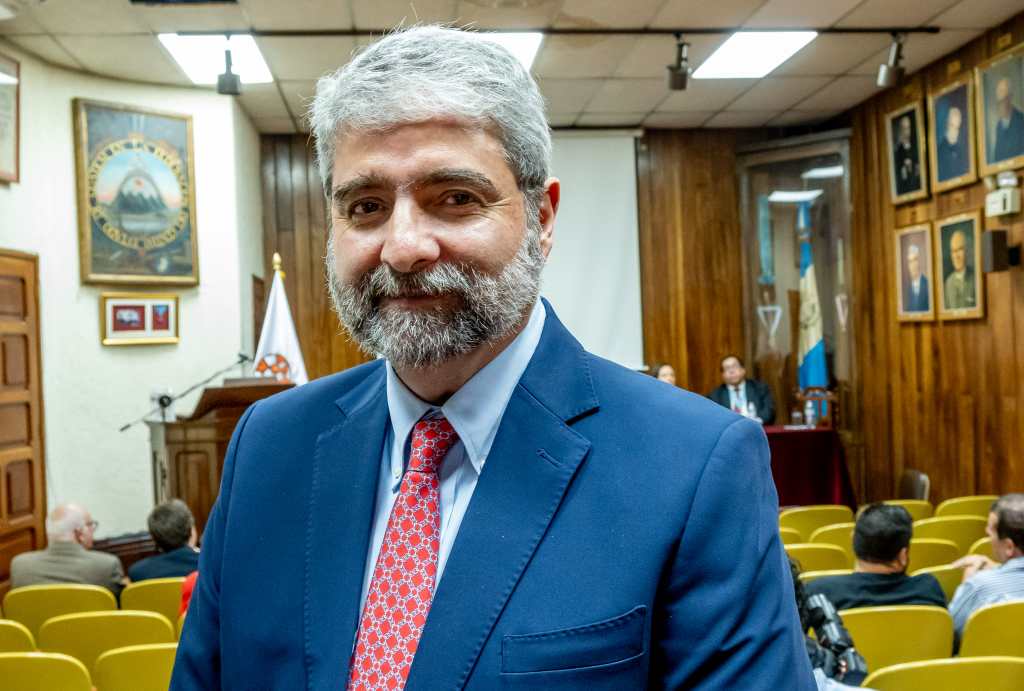
“We are very pleased that Guatemalan society is presented with a beautiful book about San Cristóbal Totonicapán, about the heritage of the church and the convent; and obviously with the intention of also being able to talk about the spirituality and community life of Guatemalans. Banco Industrial is an entity that has always believed in love for the country, it is one of our values and for this reason, we select editorial projects that have the purpose of presenting this historical heritage, cultural, artistic of Guatemalans” concluded Roberto Ardón, corporate affairs manager of Banco Industrial.