
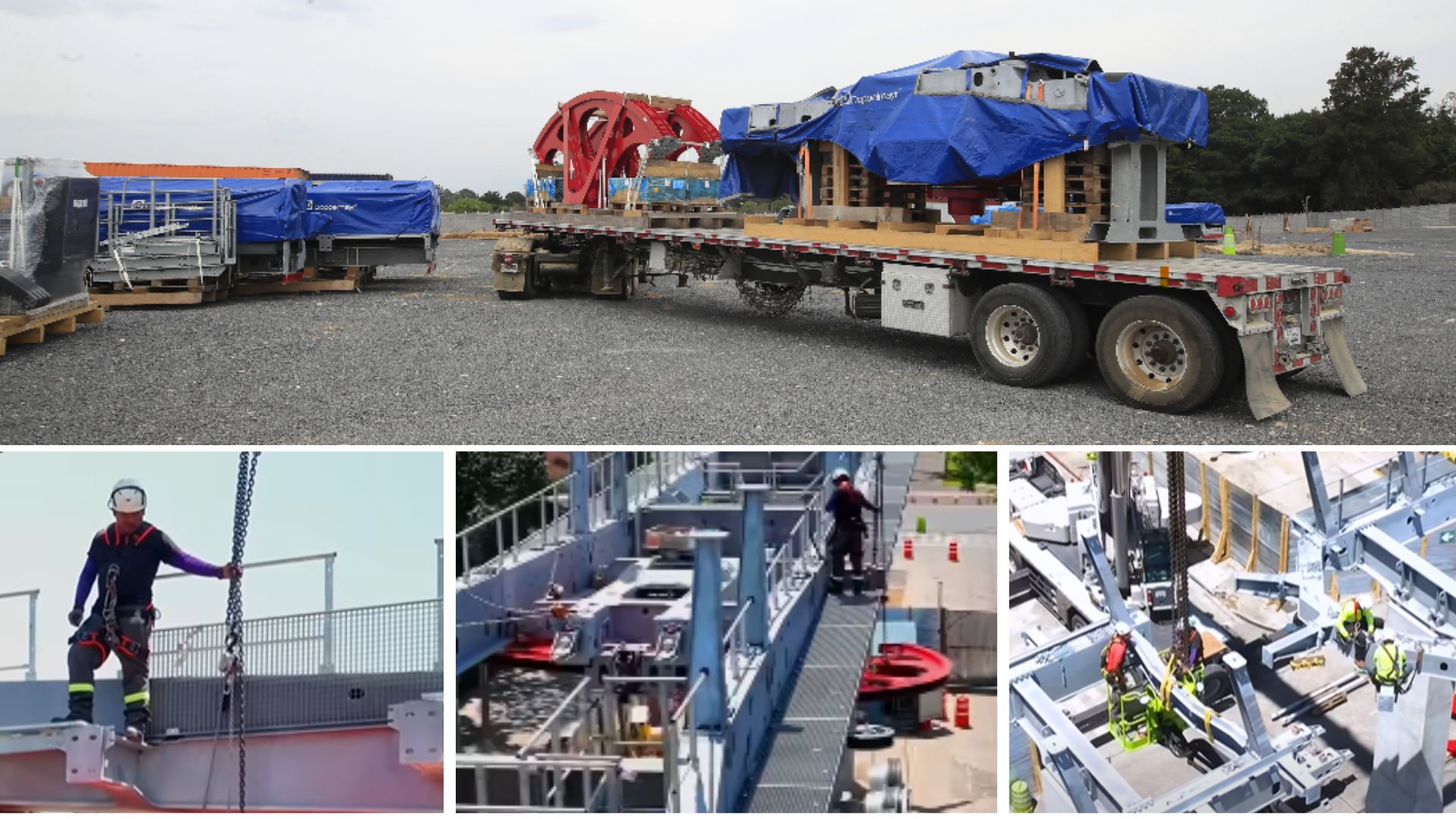
The project of Aerometer A good part of the infrastructure that will allow the cable transportation system that will connect Guatemala City to Mixco is already concentrated in Guatemala.
Currently, the logistics complex used as a warehouse holds around 40% of the total equipment that will arrive from Europe.
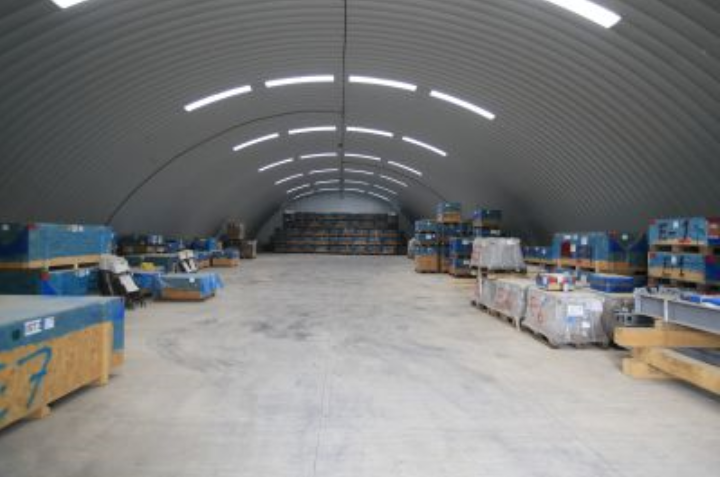
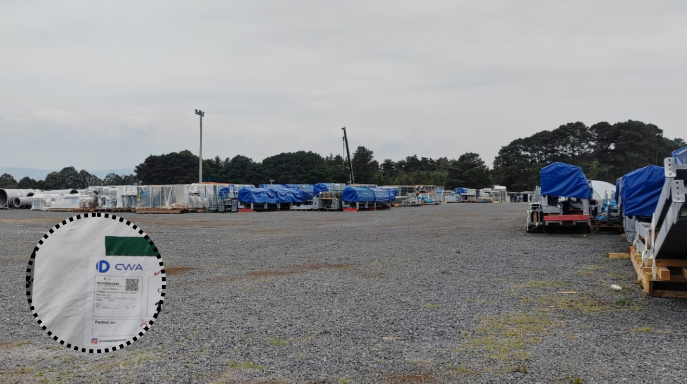
The entire frame of the AeroMetro is assembled in parts in Austria and shipped to Guatemala by ship. Doppelmayr maintains logistical control per station; In the warehouses, each one has its own section and all the pieces are identified with QR codes to facilitate their control and subsequent assembly.
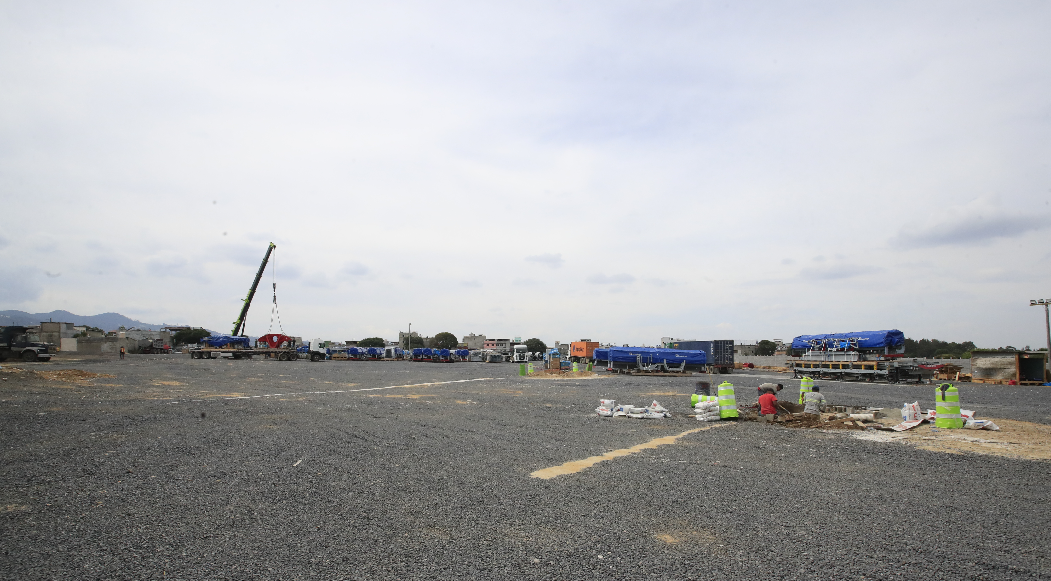
The AeroMetro warehouse has 55 thousand square meters
During a tour of the warehouse facilities, Eduardo Aguirre, CEO of CableVía, explained that approximately 300 loads of specialized equipment are stored there, while containers from Europe continue to arrive.
RELATED READINGS

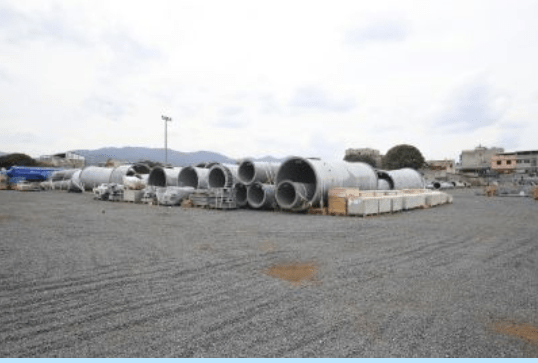
The warehouses occupy about 55 thousand square meters. To measure the size of the space, a soccer field endorsed by FIFA measures around 7,140 square meters, so the area used for storage is equivalent to almost eight soccer fields.
In it complex electromechanical parts are sorted and pre-assembled before being transferred to stations such as Montúfar and Tecún Umán, where the electromechanical system assembly. Most structures and parts remain packed and stored in the air free, while specialized material and electrical components are kept in a closed warehouse.
Aguirre explained that several areas of the warehouse already look partially empty because a large part of the stored pieces were moved and assembled at the stations, where the project structures are currently beginning to take shape.
“If what you see here is, I would say 40% of the cargo that has to come from Europe. We are missing around 700 vans; we have here right now 300 or so,” Aguirre indicated.
RELATED READINGS

21 vans unloaded in one day
The businessman explained that the project has managed to unload up to 21 containers in a single day thanks to a specialized system designed by Doppelmayr, Austrian company, world leader in cable car systems.
The machinery used, called “Simplex“, was created to mobilize large platforms and pallets more quickly and efficiently. According to Aguirre, this system reduces the unloading time of a container from approximately an hour and a half to only between 15 and 20 minutes.
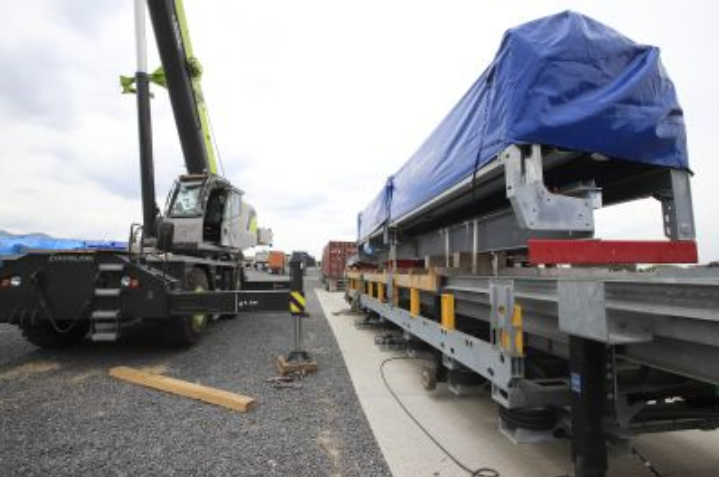
“That has given us the Latin American record of unloading containers here in Guatemala, 21 in one day”, he commented.
Aguirre highlighted that Doppelmayrfounded in 1893ha installed more than 15 thousand cable cars in different countries, which is why he assured that the work carried out in Guatemala has international standards and certifications.
European specialists lead the assembly
The assembly of the electromechanical system of the Aerometer requires highly specialized personnel. The project has experts from Austria and the Czech Republic, as well as Mexican and Guatemalan technicians who participate in the different installation phases.
Specialists supervise processes with millimeter precision, especially in the structures that will support the system’s cables and towers.
“This has to be so precise that no more than two millimeters of variation can be passed,” Aguirre explained.
Because of that level of precision, it was necessary to bring specialized surveying equipment from the Czech Republic to verify alignments and foundations.
In addition, some of the more complex tasks, such as splicing the main cables, will be carried out exclusively by specialized European technicians. Each section will arrive from Europe as a single piece of approximately 90 tons and will later be joined together using high-precision procedures.
The galvanized towers are also manufactured in Austria and designed to withstand extreme conditions similar to those of systems installed in European mountainous areas.
Currently, part of the equipment is already being transferred from the warehouses to the stations where the assembly of the electromechanical system will continue.
CableVía plans to begin operations of the line 1 of Aerometer in July 2027, in the section from Plaza España to El Trébol, and complete the project at the beginning of 2028, from El Trébol to Molino de las Flores.
What is the AeroMetro and how will it work?
The AeroMetro will be the first cable transportation system in Guatemala, and will connect Guatemala City with Mixco through aerial cabins for 12 passengers and is expected to move up to 375 thousand people a day on the Roosevelt Causeway and surrounding sectors.
- Stations: Plaza España, Tecún Umán, CAMIP, Trébol I, Trébol II, Roosevelt Hospital, Rus Mall/Kaminal Juyú, Utatlán, Giro, Santa Rita, Eskala and Molino de las Flores.
- Ticket price: Line 1 Q4 and Line 2 Q6.
- Hours of operation: From 5:00 a.m. to 10:00 p.m., with the possibility of extending until 11:00 p.m. according to demand.
- Route: It will connect Guatemala City and Mixco, mainly on the Roosevelt Highway and surrounding sectors.
- Line 1: Plaza España–Trébol.
- Line 1: between 8 and 10 minutes.
- Line 2: between 20 and 30 minutes.
- Complete tour: approximately 35 minutes.
- Cabins:
- More than 500 cabins.
- Capacity for 12 passengers per unit.
- Approximate departure of one cabin every six seconds.
- Estimated speed: 23.4 kilometers per hour (6 meters per second).
- Transport capacity: Approximately 5,500 passengers per hour per direction.
- Investment: US$220 million (private sector).