
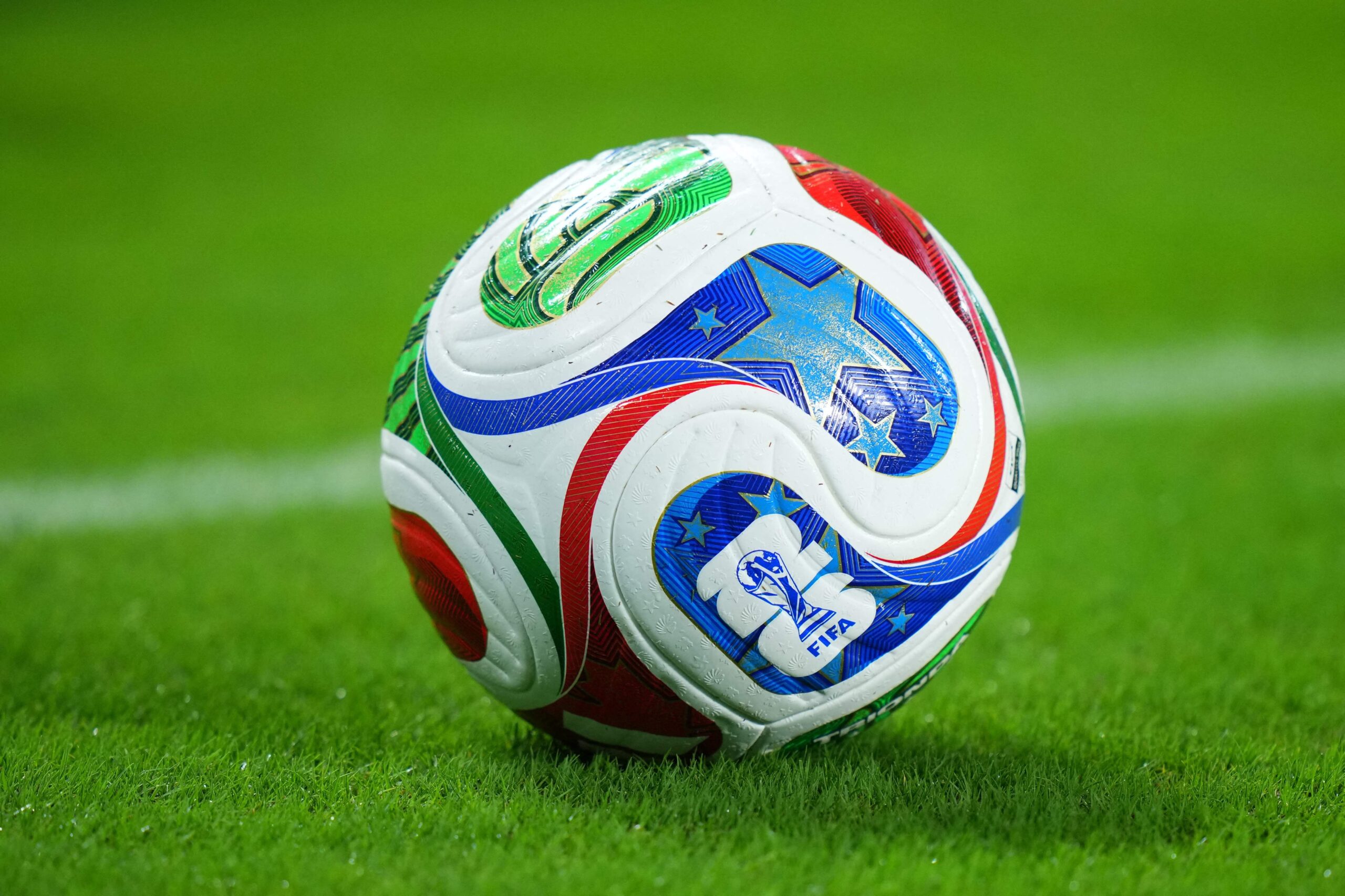
Since Adidas On October 2, 2025, it officially presented the ball that will be used in the 2026 World Cup, the Triondaits design has divided opinions among fans, because many consider that it does not adequately combine the representative colors of Mexico, USA and Canadahosts of the tournament.
However, two days before the start of the World Cup in North Americacriticism has stopped focusing on the aesthetics and various social media users point out that the players have difficulties to control this ball, which has revived comparisons with the Jabulaniused in the World Cup South Africa 2010.
The last friendly preparation matches served for the 48 selections classifieds will use the Trionda and the players will will familiarize with all its facial features to the 2026 World Cup, since one of the elements that lasts most in the memory of fans over time is the official ball.
However, due to the design of the ball, there are indications that the handling of the Trionda will be as complex like that of the Jabulani. Even the MIT Technology Review magazine published a report based on studies on this ball, which presents certain particularitiesamong them that releases long could be more difficult.
Trionda, successor to the Jabulani
According to what was stated by John Eric Goffresearcher of sports physics and professor of engineering at Purdue University, in Indianathe Trionda presents some flight characteristics that, as he explained, “could penalize the long distance shotsbut they should reward precise technique and predictable trajectory.”
“Goalkeepers, defenders who make long passes and long-distance shooters are the first ones I would look for visible differences,” added Eric, who recalled that both the Trionda and the Jabulani generated comparisons for their aerodynamics and the ability to alter flight paths, which complicates the goalkeeper’s job.
Read more: How will the 2026 World Cup groups finish? This predicts artificial intelligence
This is because, like the Jabulani, the Trionda has flight characteristics that have motivated comparisons for its unpredictable behavior for the goalkeepers. “It has a higher drag coefficient, which means that the air slows it down more, giving it a slightly shorter range in long passes“Goff added.
Likewise, the researcher highlighted that the analysis published by the MIT Technology Review magazine was carried out by a group that has 20 years studying the physics of World Cup balls. Therefore, its wind tunnel tests were carried out in Japanwhere they measure aerodynamic resistance and lift at different speeds.
introducing: TRIONDA
the Official Match Ball of the 2026 @fifaworldcup. 🇨🇦🇺🇸🇲🇽#FIFAWORLDCUP pic.twitter.com/vOEpXs5Epu— adidas Football (@adidasfootball) October 2, 2025
The Trionda of the 2026 World Cup
According to the German corporation adidasthe name Trionda pays tribute to the three host countries (tri) and the waves of the sea (vibe). Therefore, the ball is structured with a fluid four-panel geometry and includes a motion sensor that sends data in real time to detect offsides, goals and handballs.
Faced with this scenario, the Trionda could become more predictable and constant when it slows down. However, in the long shots would tend to decelerate sooner, so those trajectories could end up a few meters shorter, as happened with the Jabulani, whose surface It prevented the air from flowing stably.