
In the country’s two reference hospitals, the Roosevelt and the General San Juan de DiosCovid-19 cases have increased in recent weeks. The report is close to a hundred infected people among patients and healthcare personnel. But, outside of what happens in these centers, there is no official update on cases.
Since May 2023, the World Health Organization declared covid-19 as a endemic diseasethereby confirming that the virus was becoming seasonal. Guatemala joined that declaration in December of that year.
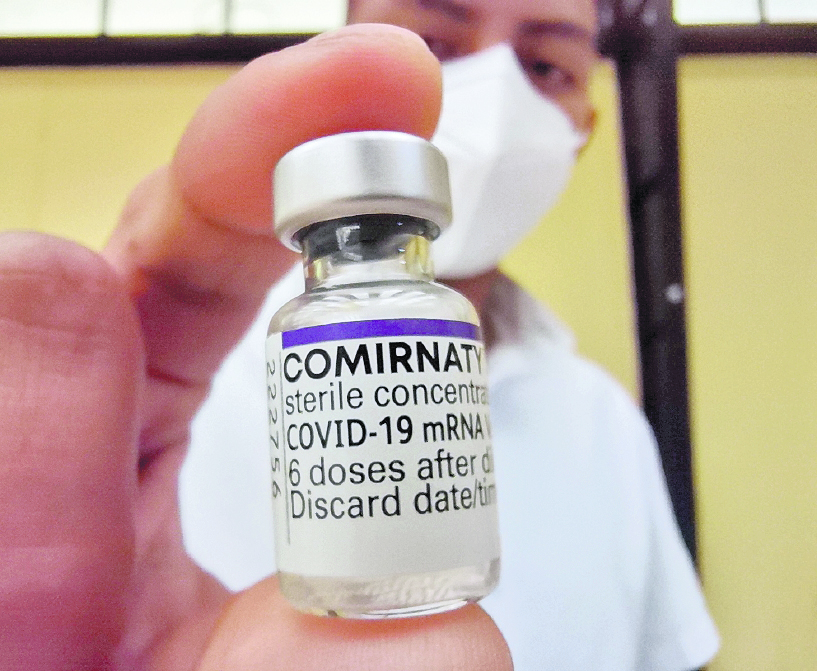
In cold seasons, the disease has a greater presence in the country, and the doctors’ recommendation is annual vaccination against the virus. However, currently the existence of biologics in public health services is nil. Several were consulted and it was indicated that the biological one is not available.
The Ministry of Health reported that the availability of the vaccine obeys technical, epidemiological and national supply criteria.
He added that, after the health emergency, monitoring of covid-19 continues in the country as part of the surveillance of respiratory diseases.
For now there are no vaccines, but Salud indicated that the entry of doses is expected during the third quarter of the yearin order to strengthen prevention in the population, in accordance with the planning of the portfolio’s Immunization Program.
The first dose of the vaccine against covid-19 was applied on February 25, 2021, and the last doses entered the country in December 2023, with an expiration date in May 2024. Since then, the public health system does not have the biological one.
The Ministry of Health’s consolidated number of doses administered against the coronavirus in the country is 20 million 491 thousand 871a figure that includes first and second doses, boosters and additional vaccines.
Nancy Sandoval, head of the Department of Internal Medicine Service of the Infectious Diseases Unit of the Roosevelt Hospital in Guatemala and vice president of the Pan American Association of Infectious Diseases (API), indicated that the rebound in cases registered in the country occurs due to the decreased immunity against disease among the population, acquired by natural infection or by vaccination; the circulation of new variants; the reduction of surveillance measures, and because the population “underestimates” the community circulation of the virus.
Although basic prevention measures are important, such as washing hands, using alcohol gel, covering coughs or sneezes, ventilating spaces, wearing a mask and voluntarily isolating oneself in the event of symptoms of the disease, the infectious disease specialist indicates that vaccination is the “most effective” action to avoid serious illness, hospitalization and death.
For this reason, it recommends keeping the vaccination schedule against covid-19 up to date, mainly for health personnel, people over 50 years of age, those who suffer from chronic diseases or immunosuppression, pregnant women and children with risk factors.