
While a German mathematician already projects the Netherlands in the final of the 2026 World Cup, the Dutch team has just written a historical page by surpassing the record of consecutive games without losing that Brazil maintained for six decades.
After the resounding 5-1 victory against Sweden at the Houston Stadium (NRG Stadium), the Netherlands reached 14 unbeaten matches in World Cups and left behind the 13 matches without defeat that Brazil accumulated between 1958 and 1966, during the era of Pelé and Garrincha.
The Dutch streak began after the final loss against Spain in South Africa 2010 and includes all of their participation in Brazil 2014, the 2022 World Cup in Qatar and the first two games of the 2026 edition.
From Brazil’s record to that of the Netherlands
For decades, Brazil maintained the longest record of matches without losing in a World Cup: 13 consecutive matches, with 11 wins and two draws, spread over three editions and two world titles. The sequence concluded in the 1966 World Cup in England, when Hungary won 3-1.
The Netherlands has built its streak with regularity in its recent World Cup appearances. The statistics include wins and draws in regulation time and overtime, since eliminations due to penalties are not counted as losses in the official records.
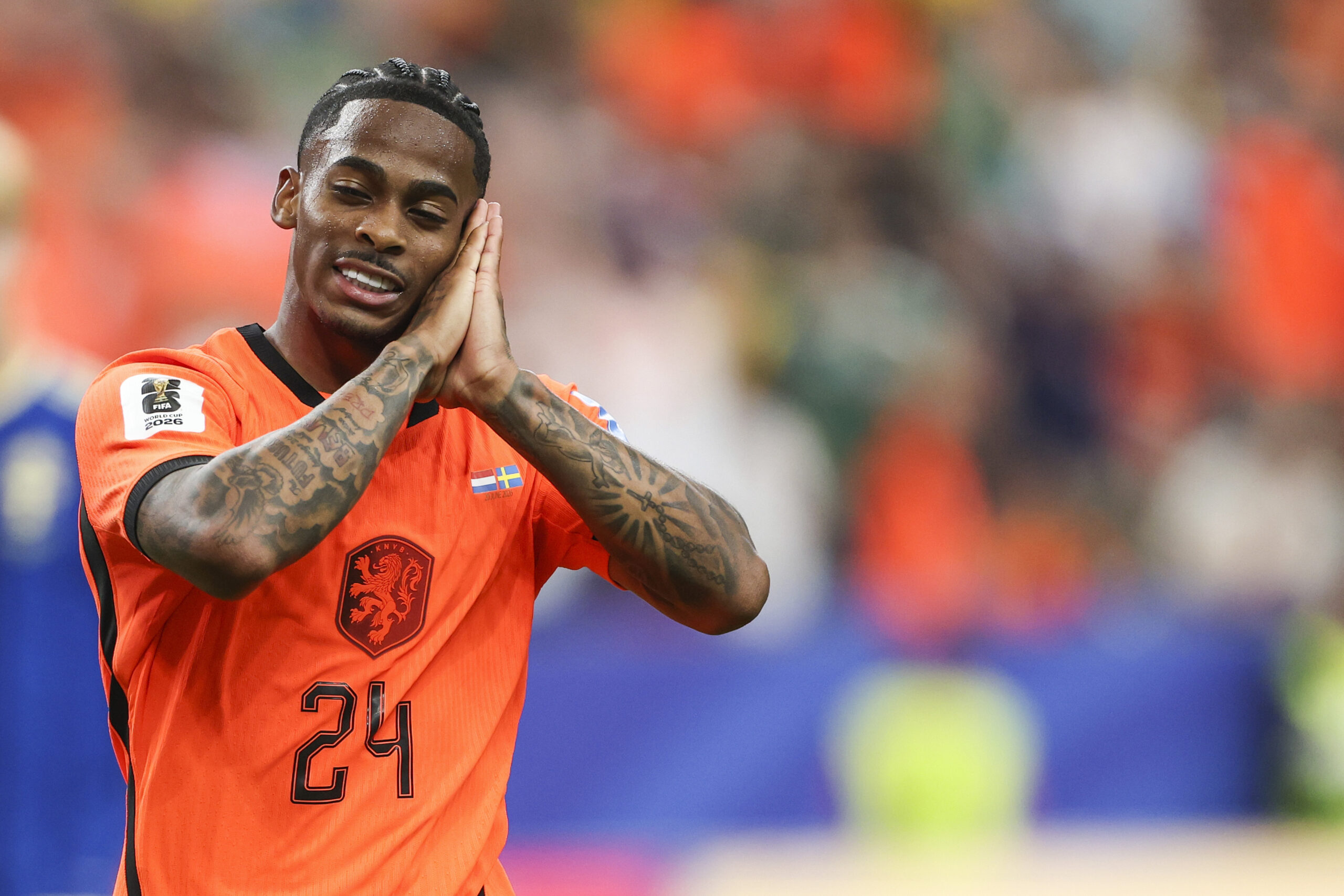
The 5-1 victory over Sweden, with doubles from Brian Brobbey and Cody Gakpo, in addition to the goal from Crysencio Summerville, allowed the Dutch to definitively surpass the Brazilian record.
The forecast that fuels the Dutch illusion
The German economist and mathematician Joachim Klement, known for having projected Argentina as champion of the 2022 World Cup in Qatar through an econometric model, placed the Netherlands in the final of the 2026 World Cup in an analysis published in April.
Its methodology combines variables such as gross domestic product per capita, FIFA ranking, climatic factors and a chance quota. According to his projections, the Netherlands would play the final against Portugal and win its first world title.
The prediction has become relevant after the start of the tournament for the Dutch, who tied 2-2 with Japan in their debut and later beat Sweden. Klement also projects that Portugal, led by Cristiano Ronaldo, would eliminate Argentina before reaching the final.
“Football is unpredictable, like playing the lottery,” said Klement when referring to the limits of his statistical model. However, the record recently achieved by the Netherlands and the performance shown at the beginning of the tournament strengthen the expectation around a team that continues to pursue its first world championship.
With this historic brand and an encouraging outlook in Group F, the Netherlands not only leads its sector, but also consolidates itself as one of the teams that generates the most attention in the World Cup organized by the United States, Mexico and Canada.