

A scientific team discovered a previously unknown biological pathway that explains why a diet rich in cholesterol It progressively reduces the body’s ability to eliminate harmful cholesterol from the blood. In addition, it identified a candidate drug that could specifically act on this mechanism.
The results of the study, carried out in mice and human cells, were published in the journal Nature. The research was led by scientists at the University of California School of Medicine in San Diego, United States.
For years, the scientific community has known that a diet rich in cholesterol decreases the liver’s ability to eliminate it from the blood, although until now the cause of this process was not completely understood. According to Alan Saltiel, one of the authors of the study, the finding explains a fundamental piece of that “puzzle.”
The liver is the main organ responsible for removing cholesterol from the blood to break it down and reuse it in other functions of the body.
This process occurs through LDL receptors, located on the surface of liver cells. These act as anchoring points by capturing low-density lipoproteins (LDL) present in the bloodstream and introducing them into the cell for processing.
The more LDL receptors there are on liver cells, the greater the removal of cholesterol from the blood. For that reason, most medications used to reduce it, such as statins and PCSK9 inhibitors, work by preserving or increasing the number of these receptors.
According to the University of California in San Diego, the study reveals an unknown mechanism that silently acts against this process by gradually reducing the number of LDL receptors and promoting an increase in cholesterol in the blood.
The researchers determined that this mechanism begins when a protein called Ral is activated by increased cholesterol in the diet. The greater its activation, the lower the number of LDL receptors available to remove cholesterol from the blood.
The process ultimately depends on an enzyme called cathepsin A (CTSA). The team found that blocking that enzyme using a small-molecule inhibitor was enough to stabilize LDL receptors and significantly reduce circulating LDL cholesterol in mice.
There are two types of cholesterol. We must try to have adequate levels of each one. (Free Press Photo: Shutterstock)
The scientists highlighted that this biological pathway is completely independent of the therapeutic targets of current medications, which is why it represents a new opportunity to treat people who cannot achieve safe cholesterol levels, even with available treatments.
The researchers recalled that there is already a CTSA inhibitor that has passed the early stages of drug development. This drug was initially designed to treat heart failure, but the project was shelved for strategic reasons, although it had previously successfully passed a phase I clinical trial, in which its safety was proven.
Based on these results, scientists consider that the drug could be evaluated directly in a phase II clinical trial to determine its effectiveness in the treatment of high cholesterol.
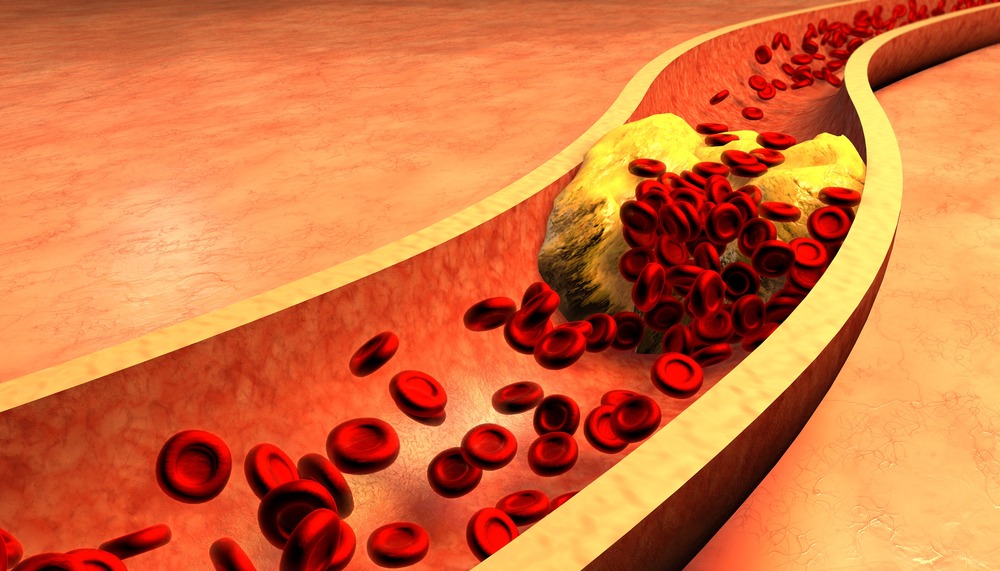
High levels of LDL cause cardiovascular problems. (Free Press Photo: Shutterstock)