The sensation of pain when urinating, the constant urge to go to the toilet and pelvic pain are clear signs of a urinary tract infectionwhich can occur in the bladder, urethra and even the kidneys, the latter being the most delicate. Therefore, detecting it early and administering appropriate treatment helps eliminate the infection more quickly and efficiently.
Urinary tract infections are one of the most common bacterial conditions, mainly affecting women. A work published in the magazine European Journal of Clinical Microbiology & Infectious Diseases highlights a new analysis system that would help offer a more reliable result in less than an hour; In addition, it would serve to determine the appropriate treatment.
The analysis highlights that the most common urinary tract infection (UTI) is caused by the bacteria Escherichia coliwhich lives in the intestine, although it can also be caused by viruses, fungi or parasites, so determining what type it is would help combat it before resistance to the antibiotic is created.
The system could help analyze the presence of bacteria in urine in just 15 minutes and determine the most effective antibiotic to combat them in about 30 minutes, thus reducing the hours of waiting to act.
Symptoms of urinary tract infections
This infection tends to present various common symptoms, according to the Spanish Society of Internal Medicine (SEMI). Symptoms of urinary tract infection (UTI) include:
- Burning sensation when urinating
- Strong urge to urinate that does not go away
- Frequent urination in small amounts
- Passing red, deep pink, or dark brown urine
- Pelvic pain: felt mainly in the center of the pelvis and around the pubic bone
These can vary and include back or side pain, fever, shaking and chills, as well as pressure in the pelvis, nausea, vomiting and discharge, depending on which part of the urinary system is affected: kidneys, bladder or urethra.
In the case of the kidneys, SEMI highlights that the infection derives from the invasion of microorganisms through the blood flow, directly affecting these organs.
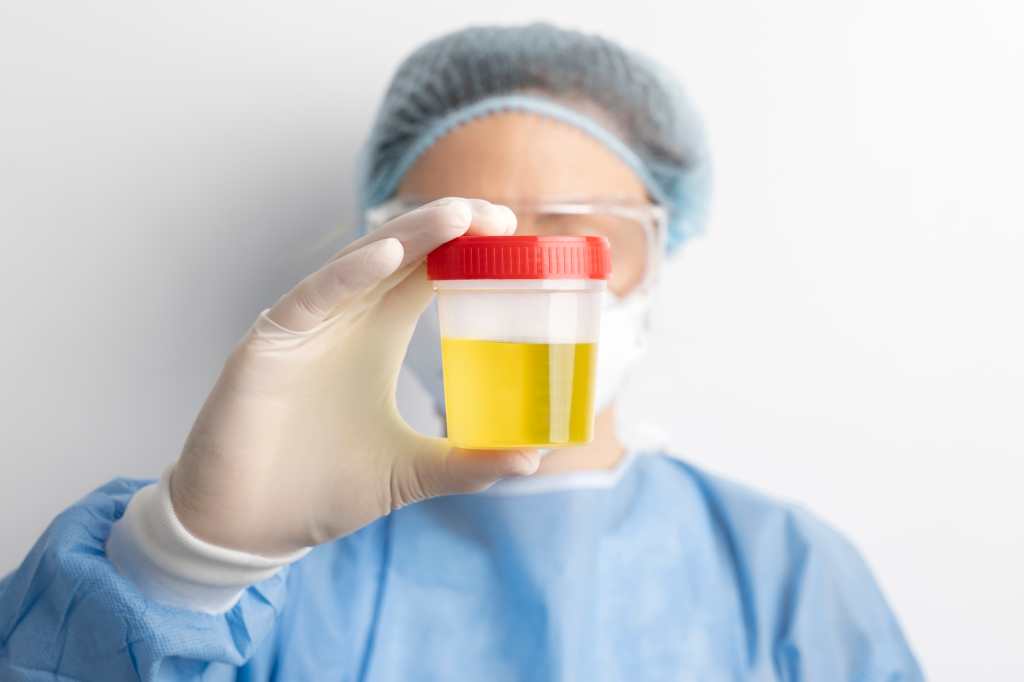
Key treatment for recovery
Although the bacteria Escherichia coli is the main cause, it can also be caused by viruses, fungi or parasites, so establishing which of them causes it is important to determine the treatment, since this includes antibiotics if it is caused by bacteria or antivirals if it is caused by a virus.
In the pharmacological field, “the advance in treatments is the recommendations in the clinical practice guides of short courses of antibiotics, indicated by a health professional, insisting on compliance with the dosage guidelines (dose, schedule and duration of treatment) and avoiding self-medication,” he adds.
“Another advance is oral and intranasal vaccines prepared from extracts of uropathogenic bacteria, moderately effective in preventing recurrences,” according to Dr. Jorge.
Miguel Ramírez Backhaus, urologist and director of the Urosalud Clinic, and Dr. Yelitza Andrés Navarro, specialist in functional urology and urinary tract infections, highlight that determining this quickly could improve treatment, given that before the studies took up to 36 hours, which forced the treatment to be corrected later.
The new analysis system called Sysmex PA-100 AST allows doctors at Hospital La Salud, in Valencia (Spain), to detect the presence of bacteria in urine in just 15 minutes and determine the most effective antibiotic in approximately 30 minutes, which helps establish the best treatment for the infection.
The incorporation of the Sysmex PA-100 AST system, which, as they explain, allows “to identify an infection caused by the most common bacteria that cause uncomplicated UTIs, such as Escherichia coli, Klebsiella pneumoniae, Proteus mirabilis, Enterococcus faecalis either Staphylococcus saprophyticusand evaluate their response to the antibiotics most used in this type of infections.”
Its effectiveness has already been demonstrated in a clinical study carried out by the Puigvert Foundation, in Barcelona (Spain), a reference hospital in urology, in almost 300 patients with suspected urinary tract infection.
The antioxidant power of cranberries
Francisco Fernández, doctor of Pharmacy and director of R&D at the Labiana pharmaceutical laboratory, highlights that “the prevention of UTIs must encompass behavioral habits, hygienic measures and clinical strategies, to which the nutritional approach based on supplements has recently been added.”
The use of natural supplements is established as an additional approach in the prevention of UTIs. Among them, D-mannose stands out, a simple sugar naturally present in small quantities in fruits and vegetables, and proanthocyanidins, antioxidant compounds present in cranberries, whose extract has antioxidant, anti-inflammatory and antimicrobial properties.
D-mannose is present in blueberries, apples, oranges, peaches, mangoes and pineapples, among other fruits, while proanthocyanidins are found in brightly colored foods (red, blue and purple) of plant origin, such as cranberry (cranberry) one of its main sources.
Both compounds, which are presented combined as main active ingredients in some food supplements for the urinary system in women, work through specific mechanisms of action aimed at limiting the adhesion of E.coli to the urinary epithelium, reducing the probability of the infection establishing itself, as he explains.