

During the celebration of the Passovermillions of people around the world participate in traditions that include decorated eggs and Chocolate rabbitssymbols that have transcended the religious to become cultural icons.
Although at first glance they may seem purely festive or commercial elements, the truth is that its origin dates back to old beliefs and practices that have evolved over time.
In countries like Germany, USA, France and United Kingdomthese figures are deeply rooted in the Easter tradition, combining meanings religious, historical and pagan. Why are eggs and rabbits associate with Easter? In what parts of the world this custom is still valid? This note explores the Origin and global expansion of these symbols.
What is Easter?
According to the Vice Great Foreign Ministry of the Pontifical Catholic University of Valparaísothe Passover is also known as Easter day, Easter Sunday, Easter Sunday, Glory Sunday either Holy Sunday.
This holiday ends the Easter weekperiod in which the Crucifixion and Death of Jesus Good Friday, and your Resurrection Easter Sunday.
Easter is one of the most important festivities of the Christian liturgical calendar, since it commemorates the Resurrection of Jesus Christ Three days after your crucifixion. For believers, it represents a message from hope, redemption and spiritual renewalby symbolizing the triumph of life over death.
However, this holiday is not exclusively religious. Its origin is also linked to pre -Christian pagan practices related to the Arrival of spring and the Nature renewal. In many ancient cultures, spring symbolized the Renaissance and the fertilityso Easter became a moment of celebration and hope in the midst of the flowering of life on earth.
The origin of Easter Rabbit
He Easter rabbit It has its roots in old pagan festivities linked to fertility and spring. In the Germanic tradition, the goddess Eostreassociated with the rebirth of nature, was represented together with a haresymbol of New life. With the passage of time, this figure was adapted by Christianity, integrating the rabbit as Easter messenger.
They were the German immigrants who brought this tradition to USA In the eighteenth century, where Easter Bunny He began to collect popularity among the children, who hoped to find Hidden eggs as a gift of the rabbit.

The first documented reference of the rabbit in relation to Easter appears in a book published in 1722 by the German teacher George Franck von Frankenau. In the nineteenth century, the marketing of this figure promoted its presence on cards, decorations and sweets, consolidating its place as Popular Easter symbol.
The symbolism of Easter eggs
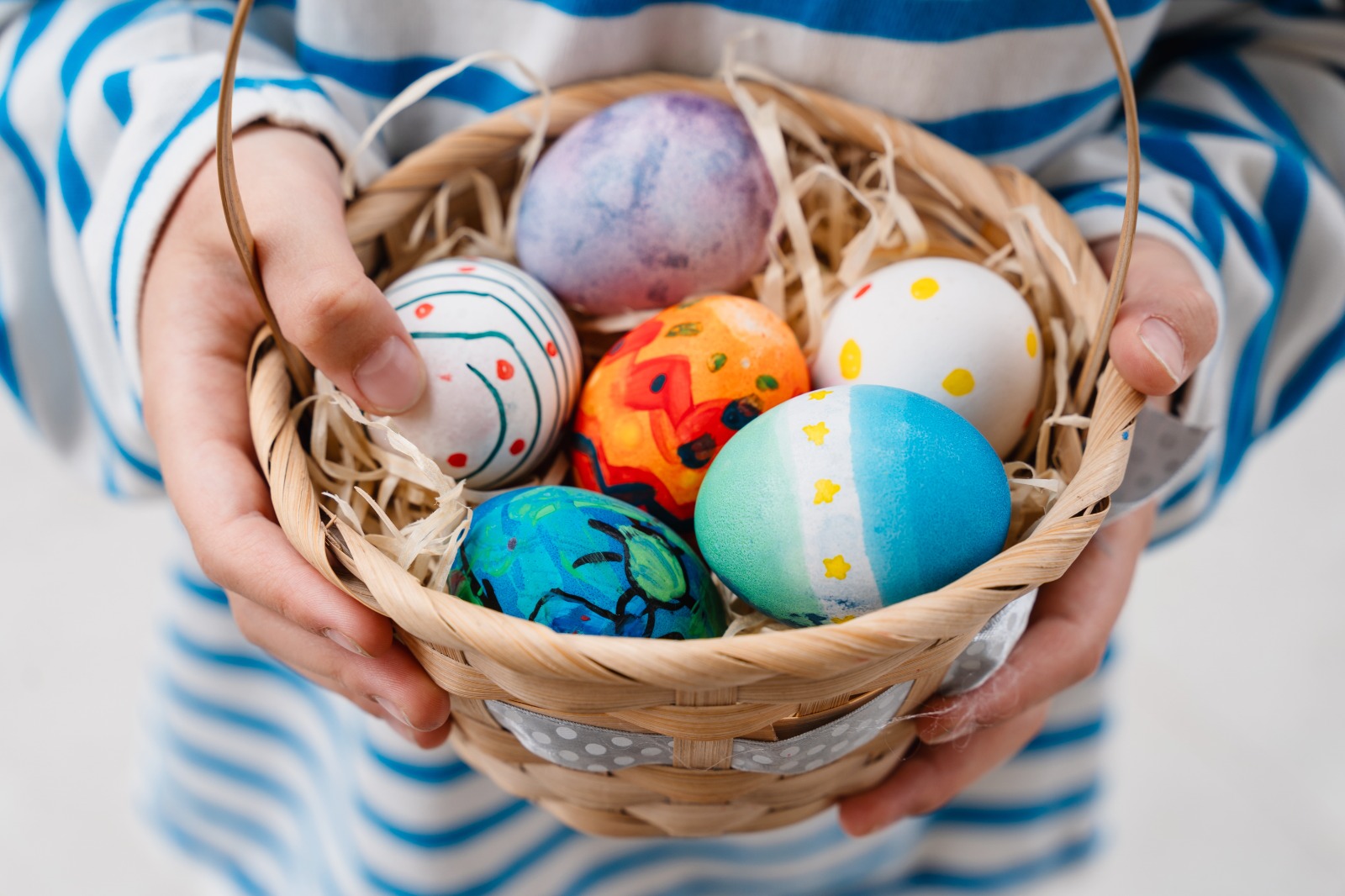
The Easter eggs They also have a very old symbolic origin. For diverse cultures, the egg represents New life and Renaissance. In the Christian tradition, it became a symbol of the Resurrection of Christsince from the egg – apparently inert – a new life arises.
During the Middle Agespeople began to Decorate eggs and eat them as a sandwich the Easter Sundayafter the fast of the Lent. According to researcher Carole Cusack, already in the 18th century there was a habit that hares hide colorful eggs In gardens for children to look for them, a practice that still remains in force.
A globalized tradition
Today, the Easter eggs and rabbits are part of a globalized tradition that combines elements religious, cultural and commercial. Although their meanings vary between regions, they are still universal symbols of New life, hope and renewal.
In countries like France, Italy and United Kingdomit is usual to exchange decorated or chocolate eggs During Holy Week. In Latin Americathis practice has also gained popularity, especially in nations such as Argentina, Brazil and Mexicoinfluenced by the Anglo -Saxon culture and advertising campaigns.
Each country prints its own nuance to this celebration, but the spirit that drives it remains: Celebrate the rebirtheither of nature, faith or family ties.