

On April 21 he dawned with sad news for the Catholic Church, His maximum leader Pope Francis died. Francisco, who repeatedly declared that the Catholic Church needs more women in leadership positions, was one of the pontiffs that since the beginning of his papacy has given more role to women in different bodies of power of the Roman curia, always occupied by men.
Already in 2018 he urged a greater presence of women ‘in the different fields of responsibility for the life of the Church in particular, and not only in the cultural field’.
“Church is feminine, the church is a woman”he said on several occasions as ‘Including women in the church, is not a female fashion, is an act of justice that, culturally, was set aside.’
Francisco broke molds with the female appointments in the organs of power of the curia, some above bishops and nuncios.
One of the last most recent and unprecedented female appointments in the history of the Government of the Church has been that of the missionary religious Simona Brambilla, in January 2025, such as Prefecta, ‘Minister’ of the Dicascle for consecrated life and the societies of Apostolic Life, on which all religious orders depend.
The incident occurred three years after the Argentine Pope reviewed the Vatican Constitution to allow access to the curia to women and laity and at the end of the global synodal process in which the Pontiff recognized that ‘women continue to find obstacles to obtain a more full recognition … in all the diverse areas of the life of the Church’.
Not to the ‘clerical and macho’ mentality in the curia.
We must eliminate the ‘clerical and macho’ mentality in the curia, Francisco said in January 2025, in an act with the members of a hotel chain, in which he also requested ‘and, please, the mission of the nuns is to serve the latter, and not be someone’s servants’.
Many are the women who already perform power positions in the Holy See, both in civil and religious positions.
The Italian political scientist Raffaella Petrini, for example, is since February 2025 governor of the state of the city of Vatican, the main position in the civil administration of this territory.
It is the first time in history that a woman agrees to this position, in which she replaces the Spanish cardinal Fernando Vérgez and who arrived after having exercised as general secretariat or ‘number two’ of the Vatican.
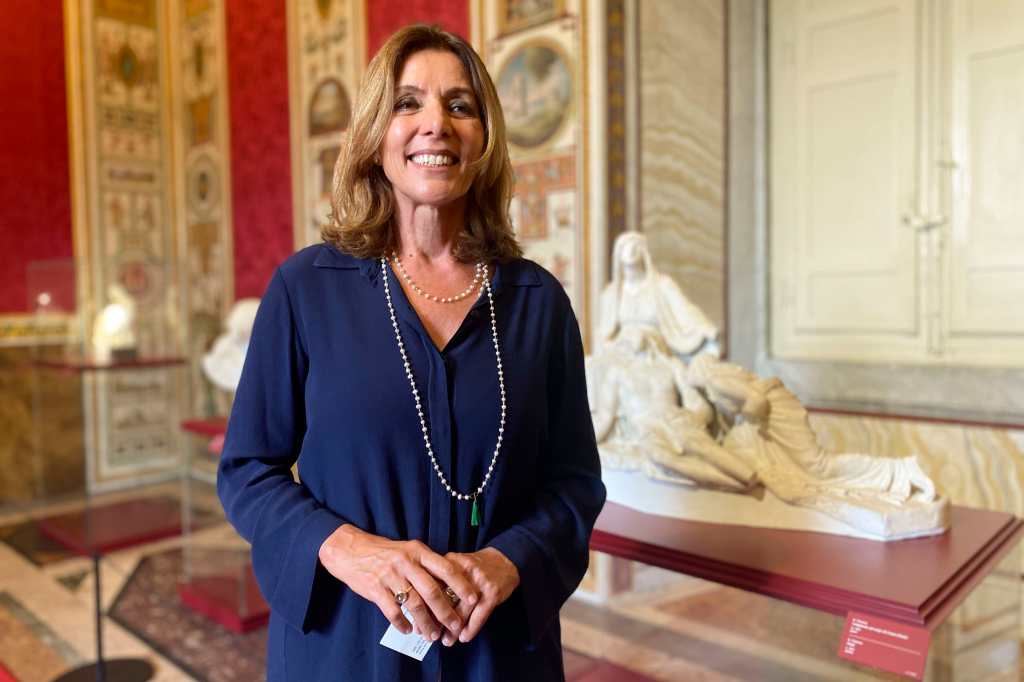
First was also the Italian Barbara Jatta, appointed in 2016, in an unprecedented event, director of the Vatican Museums, one of the five most visited in the world.
Francisco also designated Dicasteries, such as the Spanish religious Carmen Ros Nortes of the Congregation for the Institutes of Consecrated Life, which is since 2018, a novelty in those levels of responsibility of the curia, are the third parties in those Vatican ministries behind the Secretary and the Prefect or President, which coordinate Vatican ambassadors or nuncios, generally bishops.
He also appointed women consultants in the General Secretariat of the Synod, the first time this happened in the Catholic Church and 2021 is the designation of the French Nathalie Bacquart, Undersecretary of the Synod of the Bishops, the first woman who occupies this position and the first with the right to vote.
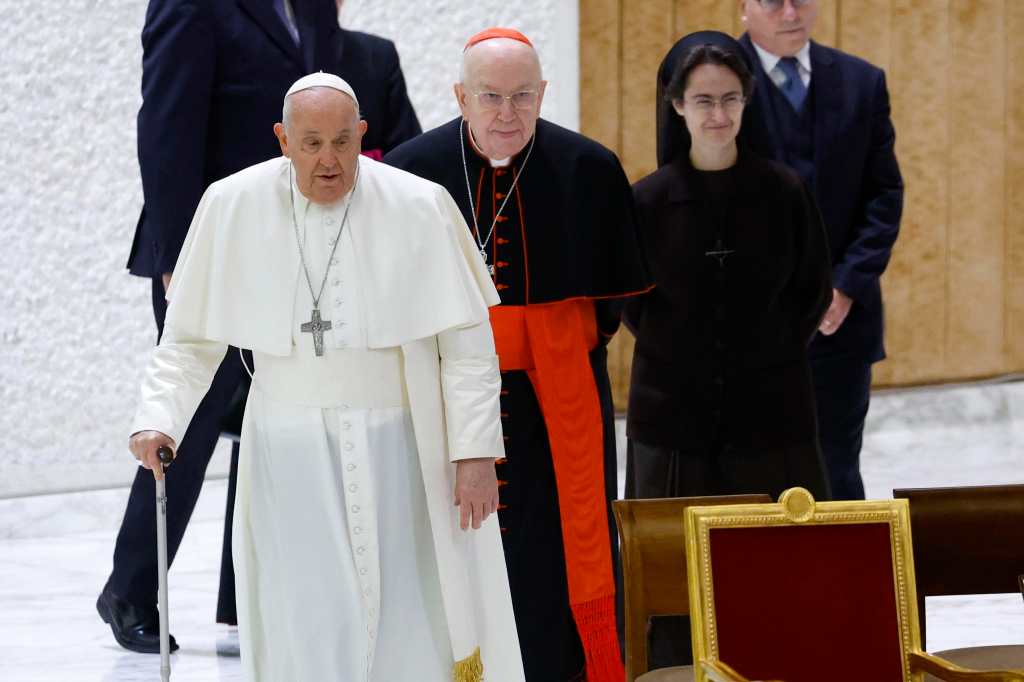
Francisco ruled out female ordination
Pope Francis who from the beginning of his pontificate reinvindicated the ‘role’ of women in the church, ruled out female ordination, for this women will have to wait.
At the moment, from 2021 women can receive the ministries of readers and acolite, only allowed before men.
It is so following the ‘motu proprio’ given that year by Pope Francis that modified the Canon 203 of the Code of Canon Law and whose rite premiered in the Vatican in January 2022.
In the past, the female presence in the curia was an exception, but some there were, such as the Australian theologian Rosemary Goldie, who between 1967 and 1976, in the Pontificate of Pablo VI, was undersecretary of the then Pontifical Council of Laity, the first woman who held an executive position in the Vatican and the same one who exercised as an auditor in the Second Vatican Council II.
Nor should we forget the German religious Pascalina Lenhert, known as ‘Mother Pascalina’, a small woman and with steel temper, who for more than forty years, in a time dominated by men, was an assistant, friend and counselor of Pope Pius Pius XII.