
This year, the Ministry of Health has a budget of Q189.8 million for the prevention, control and surveillance of denguezika and chikungunya, diseases that are transmitted by mosquitoes.
Until February 28, the portfolio reported 3 thousand 862 suspected cases of dengueof which confirmed 181distributed throughout the national territory; while, of zikatwo possibly infected people were reported in Petén and Guatemala, but when the corresponding tests were carried out, none of them were positive.
Regarding the chikungunyathere is a case confirmed by the National Health Laboratory, the first after a decade without the presence of the disease in the country, at a time when high circulation of the virus is reported in the region, according to the epidemiological alert launched by the Pan American Health Organization (PAHO) last February.
The positive case occurred in Catarina, San Marcos. In addition, six other suspects were reported in Guatemala, Escuintla, Sololá and Chiquimula, who have already been evaluated with negative results.
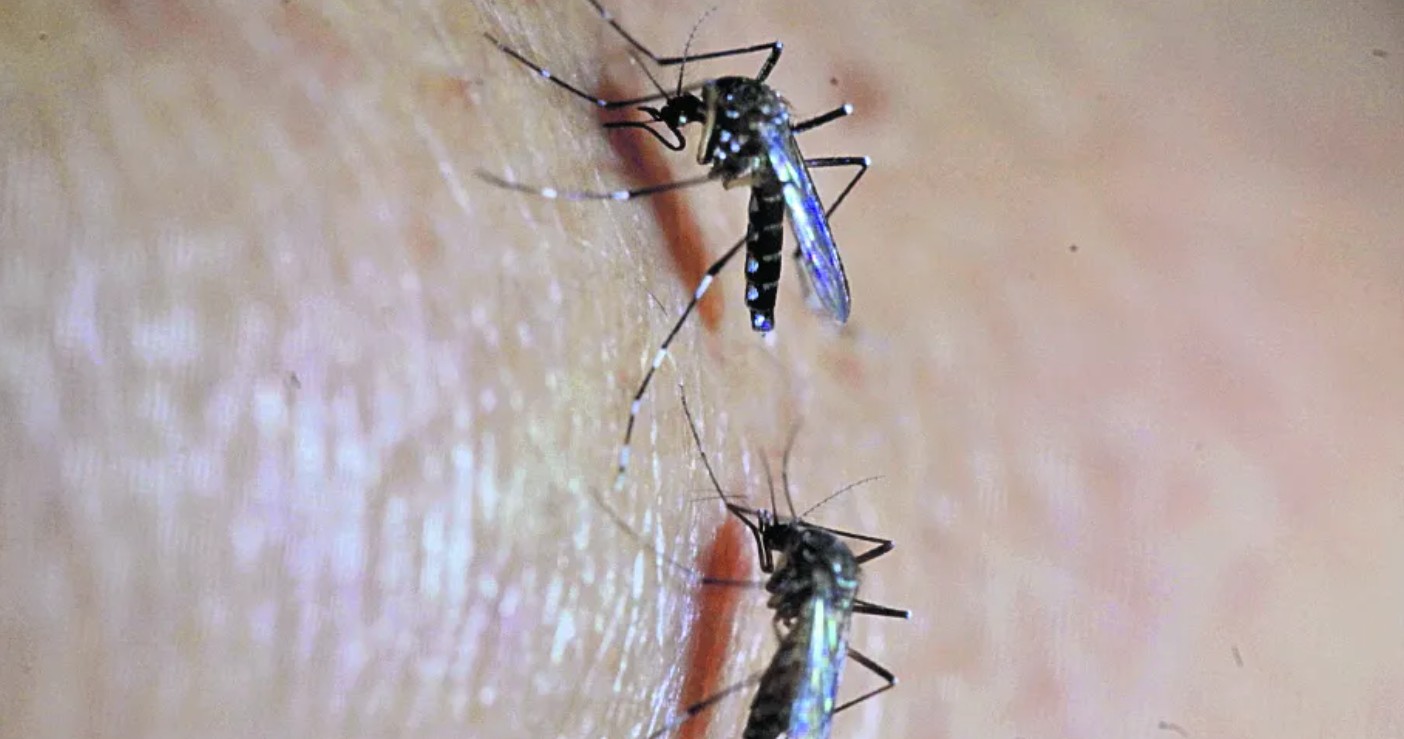
Dengue, Zika and Chikungunya are transmitted by mosquitoes Aedes aegyptiand the high temperatures and sporadic rains of the season are conducive to the increase of the vector, which has spread throughout the Guatemalan territory.
Health indicates that it maintains permanent surveillance for the presence of mosquito in the country and, despite the regional risk due to population mobility, there is currently no sustained active transmission in Guatemala. “The cases detected reflect a timely and functional surveillance system,” he says.
It adds that, as control actions, it carries out continuous monitoring, home investigation of cases, laboratory diagnosis, elimination of breeding sites and abatement, focused fumigation, community education and territorial coordination with health services.
Vector behavior
Authorities have pointed out that any container with stagnant water can become the place where the female lays her eggs, which, in a matter of days, hatch and become adult mosquitoes, which can become infected by biting a sick person and spread the virus when they bite a healthy person.
Eliminating breeding sites is part of the Health strategy to control the spread of the mosquito, as well as the fumigationwhich is carried out through the Departmental Health Directorates, according to the needs of each area.
For the acquisition of inputs to implement the strategy, the portfolio has been assigned this year a budget of Q16.7 million.