
One of the diseases mainly related to cases of mortality from cancer is metastatic pancreatic ductal adenocarcinoma, which affects to the pancreas. Faced with years of little progress, Northwestern University has developed a drug that could help improve survival in patients with this type of cancer.
This new drug, called elraglusib (9-ING-41), a GSK-3β inhibitor, has shown in a phase two trial that its use in the treatment of this type of cancer has doubled the survival rate.
The results of the medical trial were announced this April 14 through the specialized portal Nature Medicinewhere a multimodal mechanism of action is presented based on antitumor activity in preclinical models of cancer, including pancreatic cancer.
That is, it has been shown that patients who have combined the drug with chemotherapy in their treatment have doubled their survival rates compared to those who only continue with chemotherapy.
The measurement carried out highlights that, one year after starting the treatment that combines traditional chemotherapy and the drug, survival rates were doubled. Likewise, the risk of death was reduced by 38%, which could have a high impact in the fight against this type of cancer.
The article of Nature Medicine highlights that the efficacy and safety of the drug elraglusib with gemcitabine plus nab-paclitaxel (GnP) were evaluated in patients who had not been previously treated, which showed that the one-year survival rate was 44.1%, compared to 22.3% of those who did not receive the drug in their treatment.
As announced, this medical study analyzed 233 patients with metastatic pancreatic cancer, who were divided between the group that received standard chemotherapy and the group that combined chemotherapy with elraglusib.
The results determine that this drug achieved a mean survival of 10.1 versus 7.2 months, which is positive, because the trial included patients with cancer that progressed rapidly and were not able to obtain the full benefits of the drug.
Data from the study highlight that, two years after treatment with elraglusib, almost 13% of the patients in the trial who received it continued to have quality of life, while none in the group without the drug.
Within the process, the trial showed side effects consistent with chemotherapy, but which remain on a smaller scale in those who received elraglusib, including:
- fatigue
- temporary changes in vision
- low white blood cells
According to the analysis, the drug fights GSK-3 beta, a protein that promotes tumor growth and wear and tear on the immune system. This medication seeks to directly attack cancer cells and reactivate the immune system.
It is known that the drug has advanced to a third phase of testing, which seeks to confirm the data and obtain pharmaceutical approval.
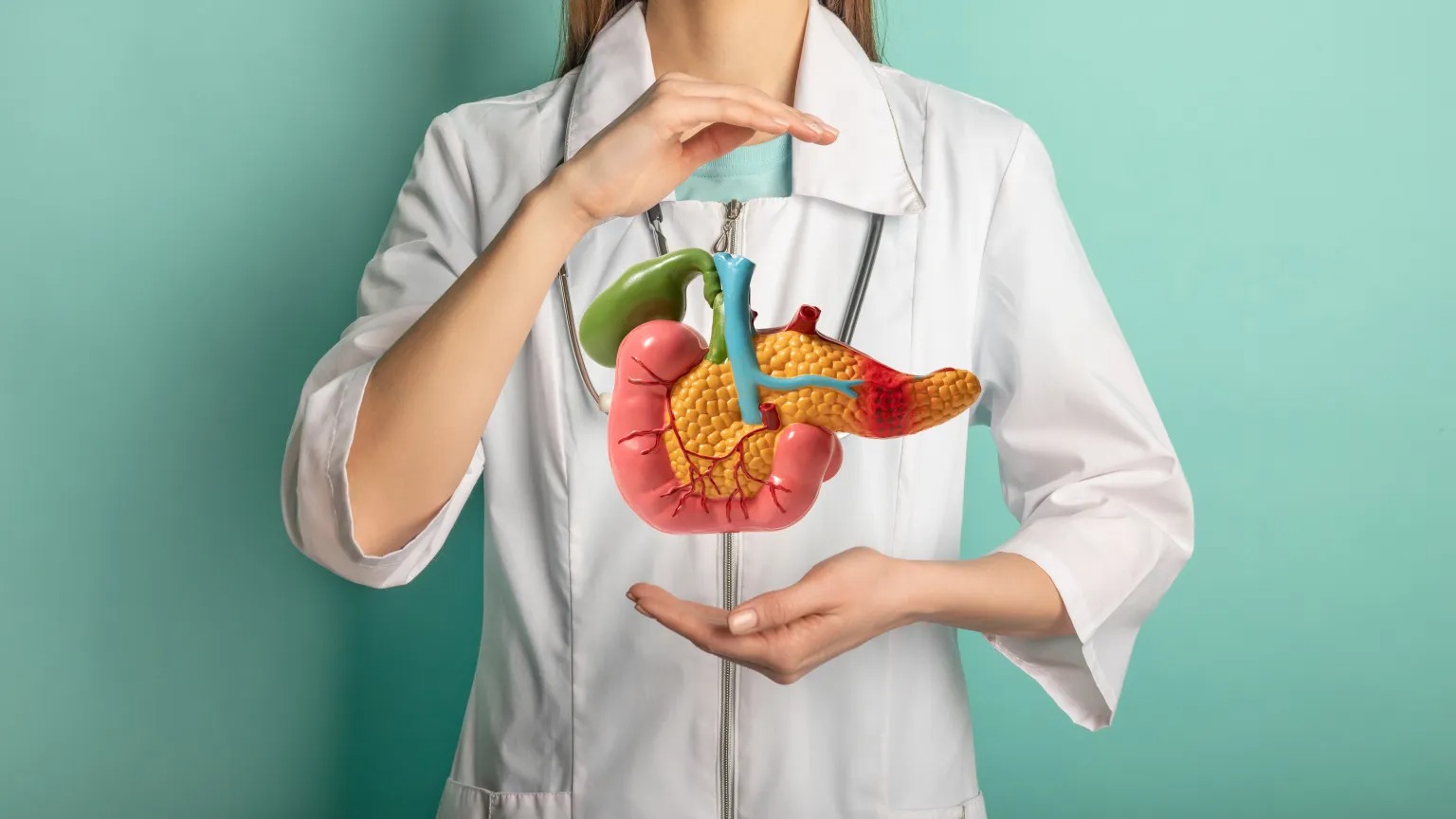
Acute pancreatitis causes intense pain in the upper abdomen, which usually worsens within a few minutes and can be felt all the way to the back. (Free Press Photo: Freepik).