
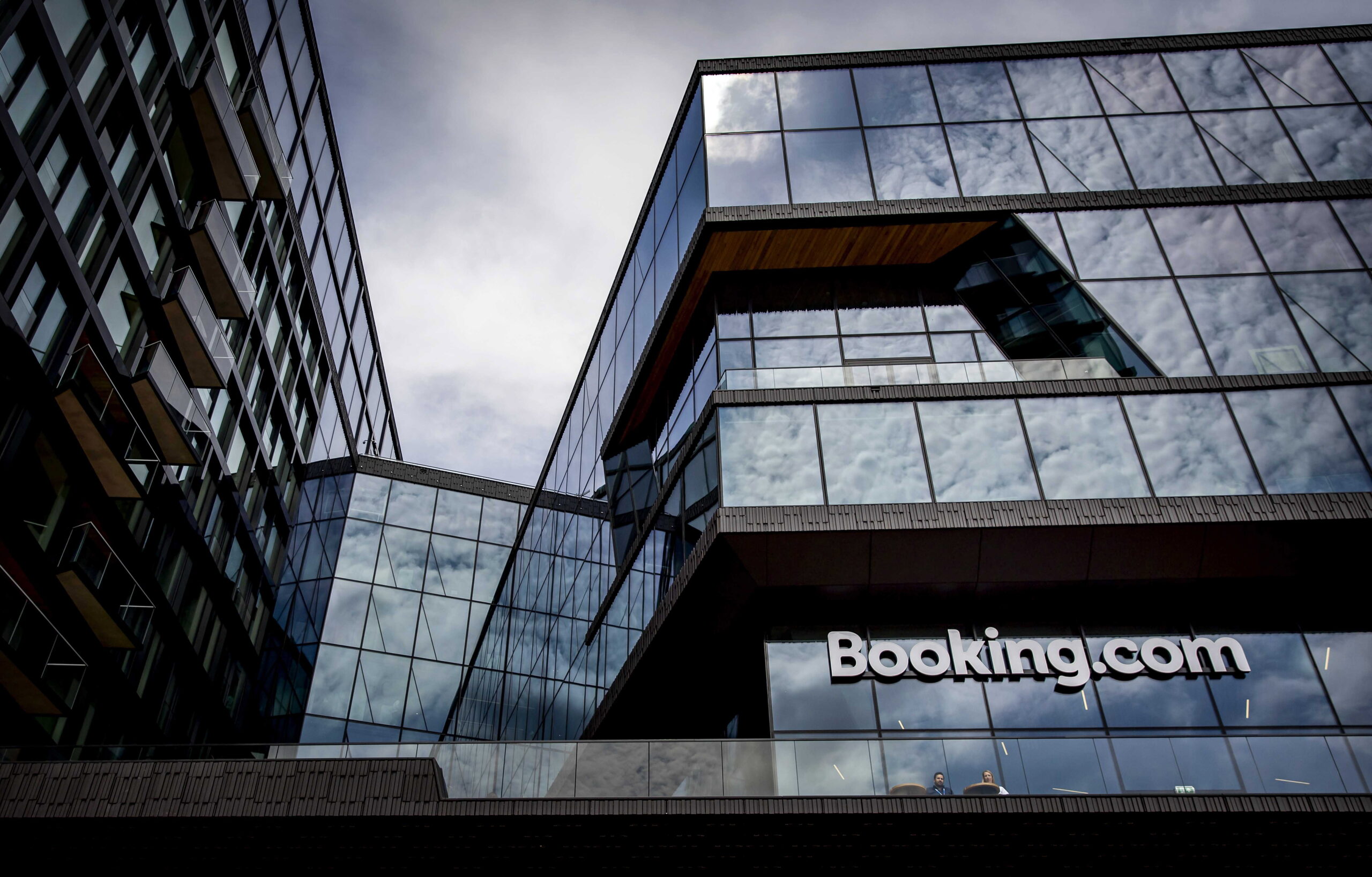
Booking.com, the accommodation reservation platformsuffered a cyber attack in which not only thousands of reservations were affectedbut also personal data of users, such as names, addresses, emails and telephone numbers, were leaked.
The company, based in the Netherlands, sent an email to all its users in which it warned about “unauthorized third parties“who may have had access to confidential information about their clients.
Despite the situation, Booking.com did not specify how many users were affected by the cyberattack or for how long those responsible they would have been within the platform system.
However, the company provided several recommendations to users to avoid scams, derived from the obtaining sensitive information.
First, Booking.com, through an email, alerted its users that fraud attempts can occur through calls or emails of people impersonating the hosting platform.
For this reason, the company indicated that it never asks its users for information such as credit cards through email, telephone number, text messages. text or messaging apps like WhatsApp.
Booking.com indicated that nor does it ask you to make payments outside the usual channels of the platform.
Media like The Country They point out that this type of scam is known as phishing, and that in the coming weeks Users must take extreme precautions against the appearance of strange messages or calls.
“Normally, fraud attempts share a common element of imprinting a sense of urgency on the victim. They pass off as official communications. Sometimes they warn that charges will be made that, to be avoidedrequire a series of actions on the part of the person who receives the messages,” he says. The Country.
Read also: 8 recommendations to avoid cyber attacks when making your online purchases