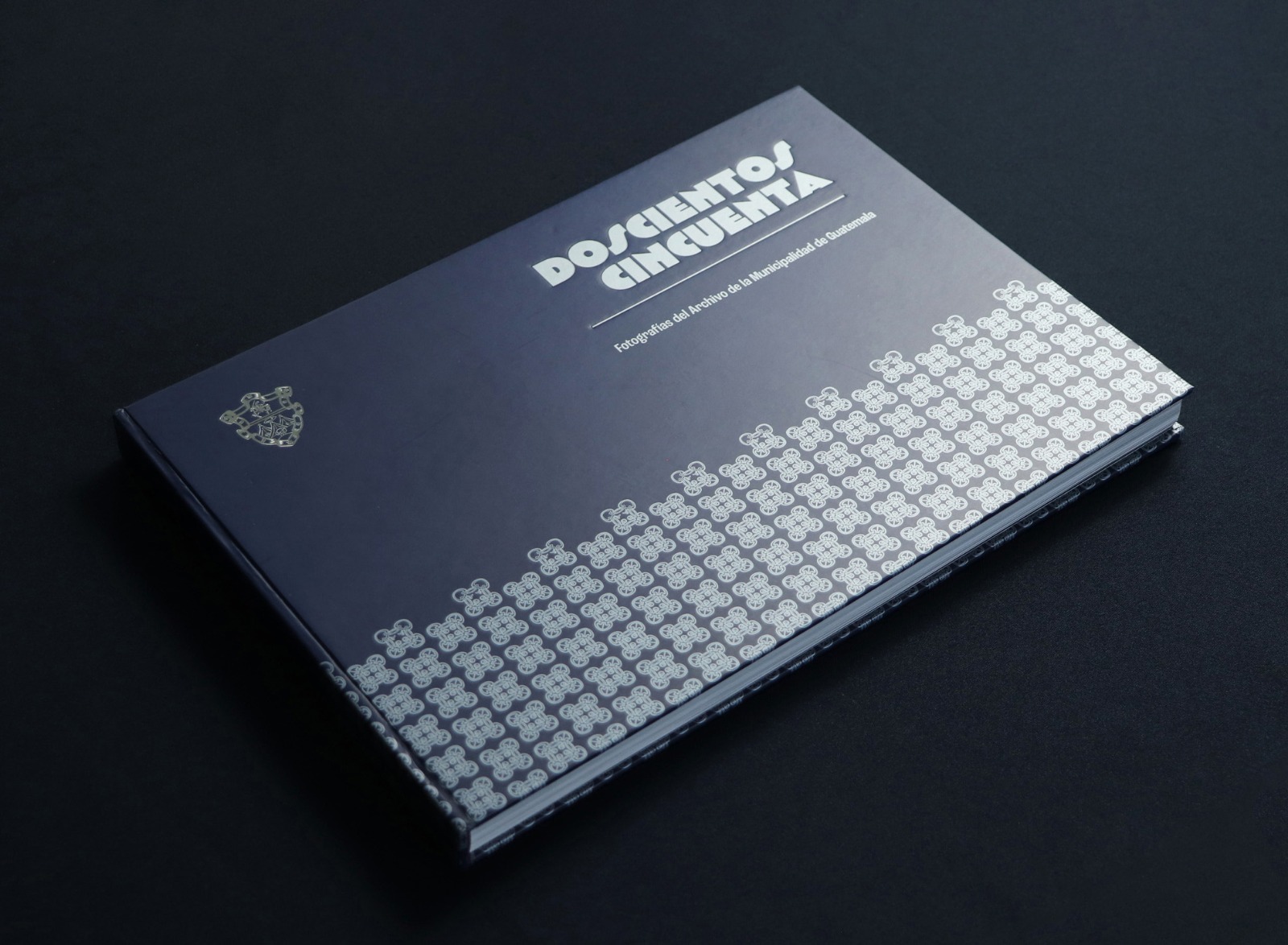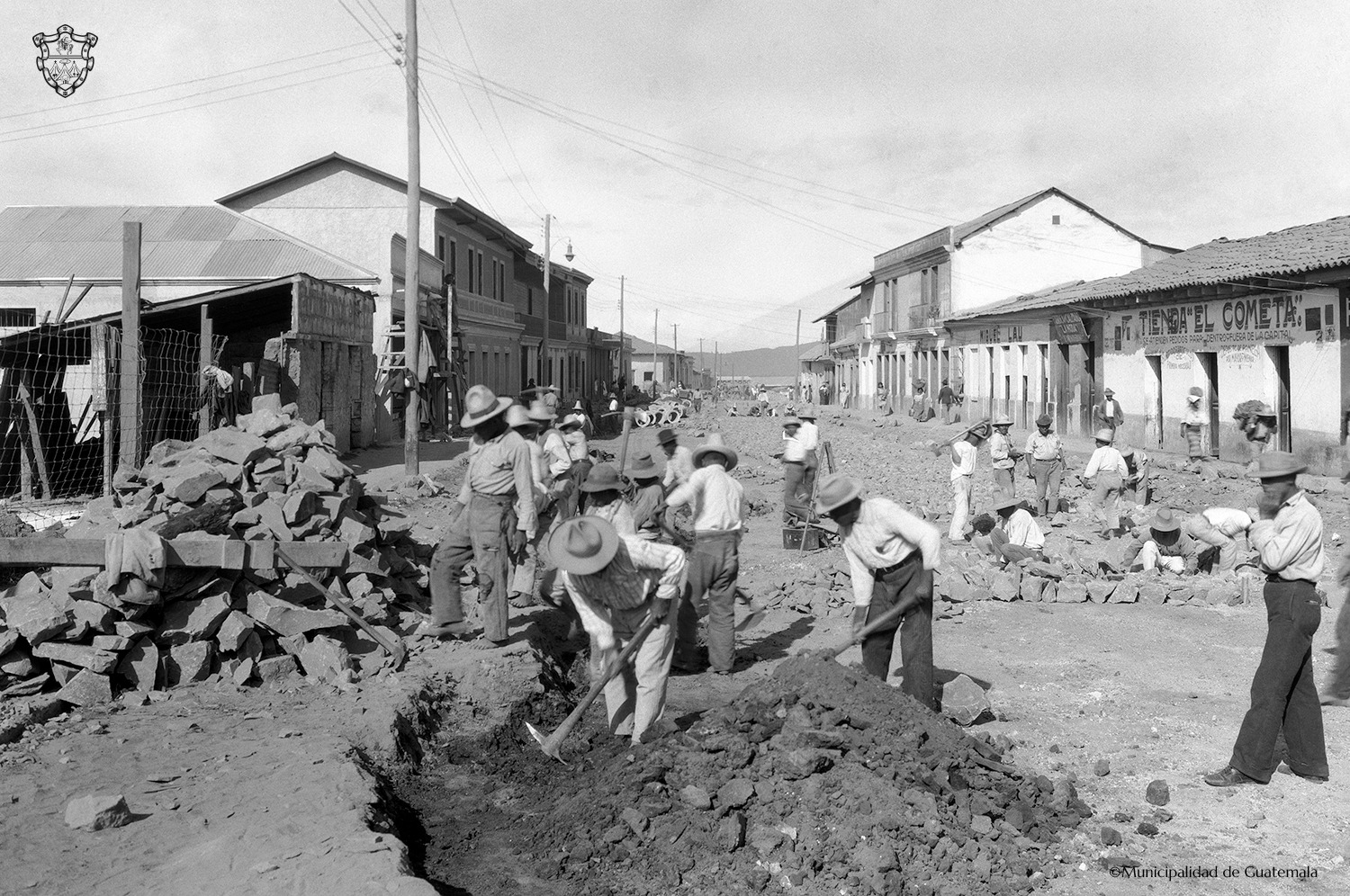
The book was recently published Two Hundred and Fiftywhich celebrates the 250 years of the transfer of the capital to the Valle de la Ermita, published by the Municipality of Guatemalathrough the Historical Center Directorate.
This proposal is made up of research and a selection of historical images from the Photographic Archive of the Directorate of Public Affairs and edited by the Directorate of the Historical Center, many of them are unpublished, which invite us to explore different moments of the urban and social development of Guatemala City.
This edition has high quality hardcover, 200 pages and 12 chapters. The book allows us to rediscover emblematic spaces that have been the scene of collective life, such as Cerro del Carmen, the Hipódromo del Norte and the Finca Nacional La Aurora, where civic and popular celebrations brought together crowds. Likewise, key places are evoked such as the Plaza Mayor, Calle de los Mercaderes and the old Calle Real – today Paseo de la Sexta -, a reflection of a city in constant change.
Each photograph constitutes a fragment of history: buildings that no longer exist, facades that have evolved, fashions that marked the era and customs that transformed over time, says Arturo Portillo, from the Historical Center Directorate.
Portillo comments that this effort took more than a year, “this is part of the dissemination of the heritage to take advantage of the photographs that belong to a legacy of the Municipality, which were originally about 1,500 photographs that were scanned from negatives and other images were rescued.” The almost 200 images used in the end are mostly from 1910 to 1938.
Some historical details
In the book there is an approach to the history of the Capital City. For example, Miguel Álvarez, chronicler of the city, comments that on July 29, 1773, the earth shook and was part of what tore down the foundations of what is now Antigua Guatemala, “but, beyond the seismic tragedy, the political situation drove the transfer. It was no longer just about rebuilding; it was about starting once again,” he explains.
On January 2, 1776, by order of Captain General Martín de Mayorga, the City Council moved to the Provisional Establishment of the Hermitage, as the city was initially called. Then, by royal order of May 23 of that year, it received the name of Nueva Guatemala de la Asunción. At the same time, the transfer of buildings, symbols and titles was confirmed.
The historian Mauricio Chaulón describes that the first years were especially difficult, but, despite all the tensions, by 1821, just 45 years after the transfer, the city had already achieved notable development. “Many of its buildings were completed and a new identity was beginning to be consolidated,” he says.
The importance of Sixth Avenue is also explained. “If there is a street that summarizes the life and memory of the Historic Center, it is Sixth Avenue. From the original layout of the Nueva Guatemala de la Asunción until the change of nomenclature in 1877, it was called Calle Real, because the Royal Palace was located there, seat of the captain general and colonial power. Its route from north to south concluded in El Calvario,” describes Chaulón’s research.
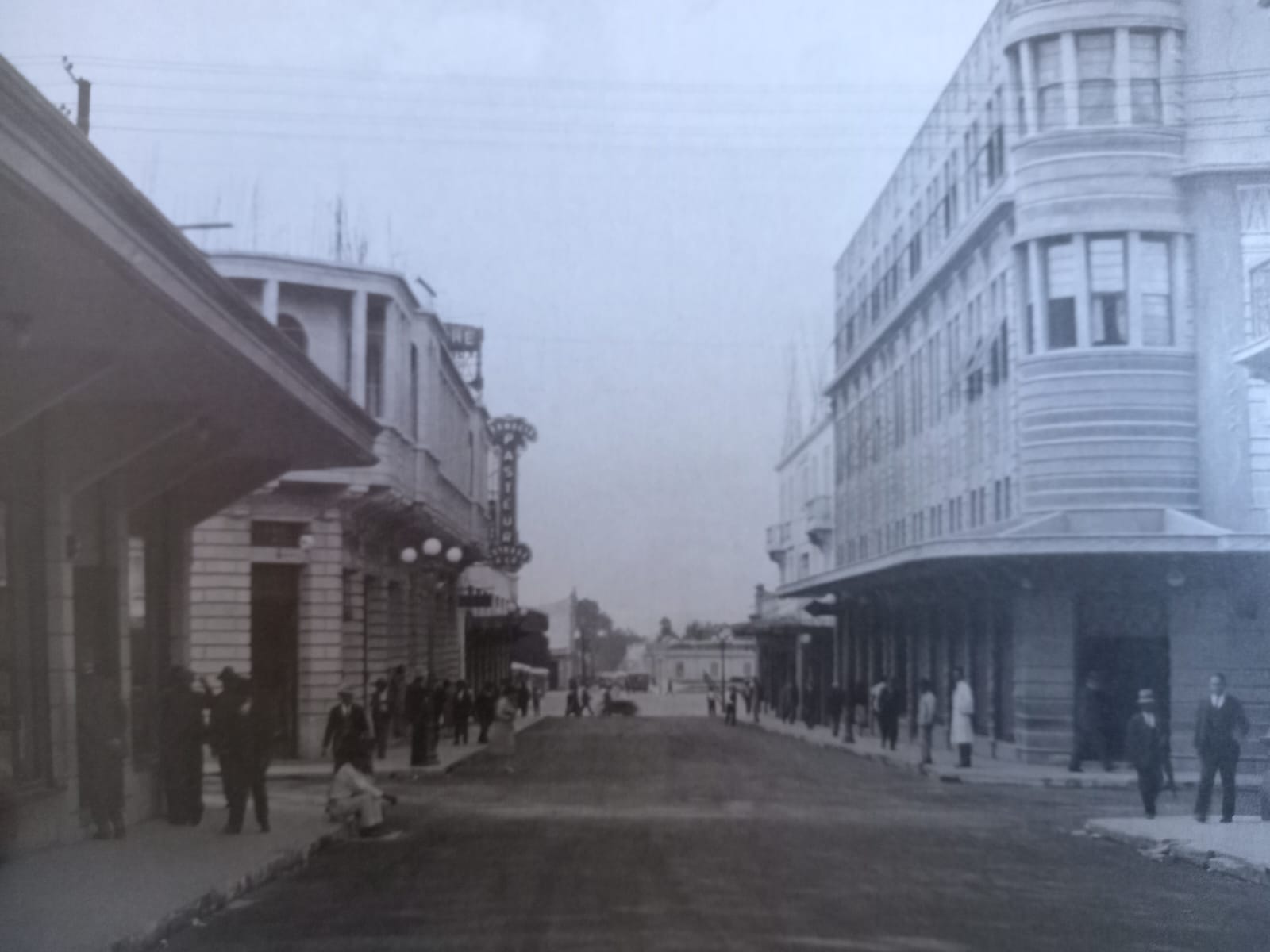
The creation of the Civic Center is found in the book. In the 1950s, a group of Guatemalan architects, inspired by references from Argentina and Brazil, dreamed of creating a modern space that would bring together the main state institutions and, at the same time, integrate painting and sculpture in its design. This is how the Civic Center was born, located south of 18th Street, in what was then the canton of La Libertad. In that area were the Central Penitentiary and Christmas Park, as well as a railway bridge, still standing, which today is known as Penitentiary Bridge.
Where to find it?
The book is part of the Guatemala Collection and is the result of a joint effort that brings together the research of historian Mauricio Chaulón, the writing of journalist Roberto Villalobos Viato, the graphic design of Mónica Ortiz and the direction of architect Arturo Portillo.
It is available for consultation at the Historic Center Directorate (7th avenue 11-66, zone 1). It can also be purchased through a municipal tax of Q500. For more information, call 2285-8950 to 52.