
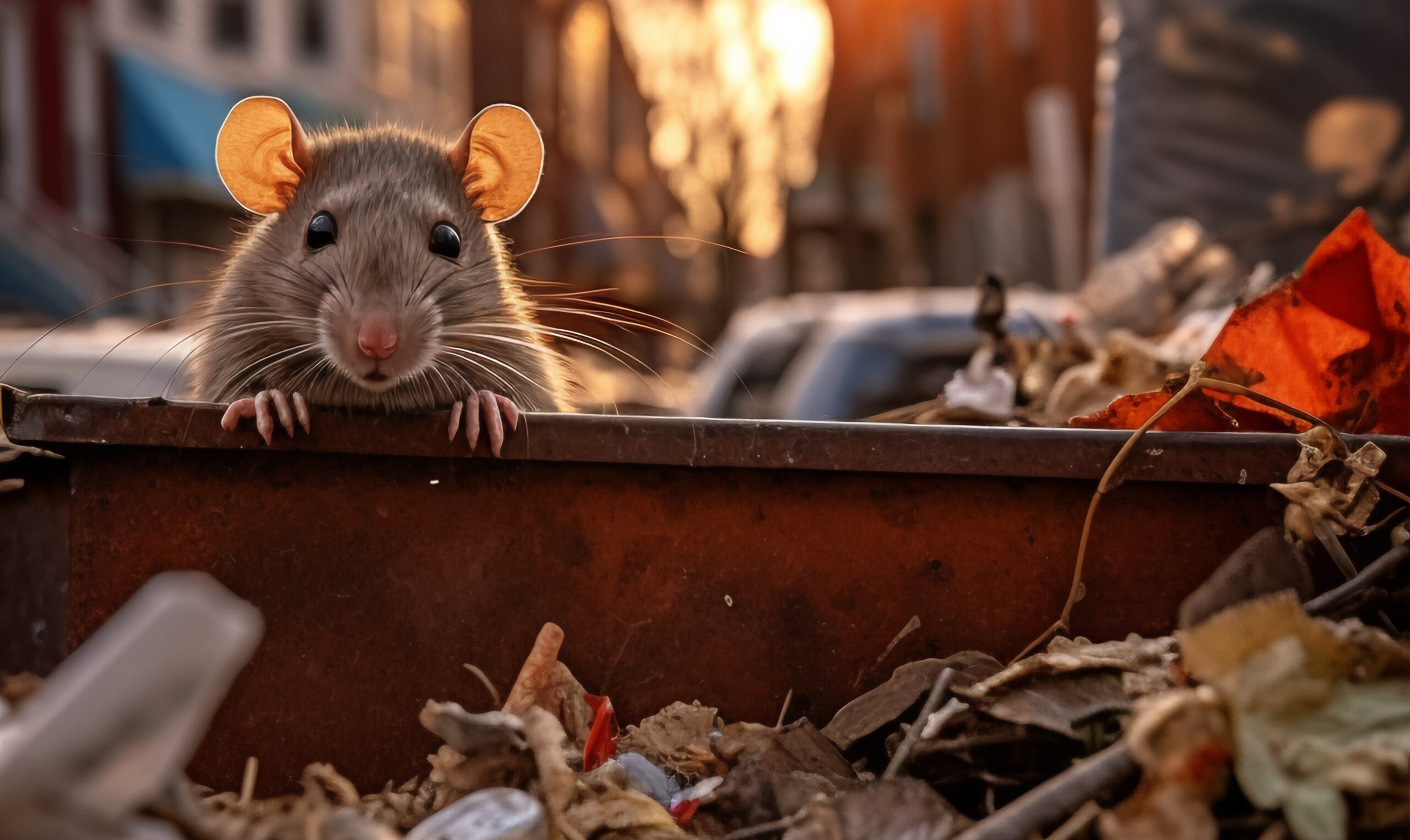
Rodents, for some harmless and for others unpleasant, are carriers and transmitters of various dangerous diseases, such as hantavirus. But how can you reach people?
In Latin America, the Andes or Andean strain of hantavirus is the best known and most dangerous, since it is the only one in the world capable of being transmitted from person to person and attacking the lungs, even causing death.
“The primary spread occurs when a person inhales microscopic particles or aerosols contaminated with urine, feces, or saliva from an infected rodent. This can occur during activities such as cleaning a cellar, a cabin, a barn or any space where there have been infected rodents,” explains Nancy Sandoval, an internist and infectious disease specialist.
Add that It can be transmitted by touching contaminated surfaces and then putting your hands in your mouth or nose, or by direct bite from the rodent, although this is less frequent.
“The important exception is the Andes strain, which also can be transmitted between people through close contact with a sick person, but it is not the most common,” he adds.
Anyone who is in a place where there are rodents can become infected, regardless of age. However, they are at greater risk:
- Farmers, peasants and workers in rural areas who handle crops, stables, granaries or warehouses
- Hikers and ecotourists who camp or sleep in cabins in rural or mountain areas
- Personnel cleaning abandoned houses or warehouses where there is a rodent infestation
- People living in rural or peri-urban areas with high rodent density
“Regarding who They have a greater risk of becoming seriously ill once infected, older people must be highlighted; people with diabetes, obesity or previous heart or lung diseases, and immunocompromised”explains Sandoval.
How can you get hantavirus?
According to the infectious disease specialist, there are common contagion scenarios in everyday life situations that many people do not identify as risk, but they should take into account if there are rodents nearby:
- Unprotected cleaning of a country house, cellar, warehouse, barn or farm where there is droppings, mouse nests or caves
- Open a closed cabin that has been abandoned for months, since sweeping or shaking raises particles into the air; Therefore, water must first be dispersed
- Camping in rural areas where rodents enter tents in search of food
- Handling stored food contaminated by infected rodents
- Working in crop fields, especially during harvest, when rodents are displaced from their burrows
“The danger is not seeing a rat or a mouse; The danger is breathing air from a space contaminated by excreta from an infected rodent, even if the rodent is no longer there.”Sandoval highlights.