
.img_fo{ aspect-ratio: 16/9; width: 100%; height: self; margin-bottom: 8px; object-fit: contain; } .badge-pl-plus__md-and-lg__element-text{ font-family: “Acto-Tiny-Medium” !important; color: #0f213b !important; font-size: 12px !important; line-height: 15px !important; z-index: 2 !important; padding-top: 2px !important; padding-right: 2px !important; } .posted-on{ color: #474747; font-family: Acto-Small-Light; font-size: 14px; font-style: normal; font-weight: 300; line-height: 18px; } .ux-excerpt-post{ color: #474747 !important; font-family: Acto-Large-Light !important; font-size: 20px !important; font-style: normal !important; font-weight: 300 !important; line-height: 27px !important; }
transport
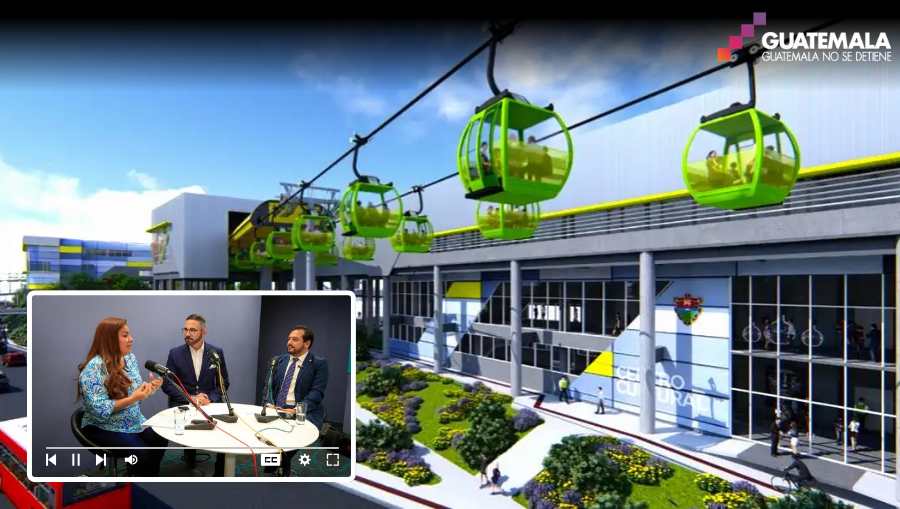
VIDEO: Aerometro will also bring public spaces, cycle paths and connection with electric buses
The project, in addition to the cable car, includes the implementation of new electric bus routes and public spaces. This topic was discussed in the most recent episode of Vamos Al Grano, the Guatemala No Se Detiene podcast.

|

document.addEventListener(‘DOMContentLoaded’, function () { const saveFavImg = document.getElementById(‘save-fav-img’); if (saveFavImg) { saveFavImg.addEventListener(‘click’, function () { const user = tp?.pianoId?.getUser?.(); if (user && user.uid !== ‘0’ && this.classList.contains(‘tosavefav’)) { const postIdInput = document.getElementById(‘id_post’); const post_id = postIdInput ? postIdInput.value : null; if (!post_id) return; ‘POST’, headers: { ‘Content-Type’: ‘application/x-www-form-urlencoded’, }, body: new URLSearchParams({ uid: user.uid, aid: post_id }), }) .then(response => response.json()) .then(data => { const actions = saveFavImg.querySelector(‘.actions’); if (actions) { actions.textContent = data.message; } sendPostMessageGtag({ event_label: ‘Saved article’, value: ‘1’, }, ‘saved_articles’); sendPostMessageGtag({ event_label: ”, value: ‘1’, }, ‘saved_articles_detail’); saveFavImg.classList.remove(‘tosavefav’); saveFavImg.classList.add(‘tomyfavs’); } }) .catch(error => { console.error(‘Request failed:’, error); }); window.open(‘https://www.prensalibre.com/mis-articulos/’, ‘_blank’);
Guatemala City faces one of the biggest urban challenges in recent decades: traffic. Thousands of people spend hours daily trapped in traffic jams to get to their destinations. In this sense, the Municipality of Guatemala promotes the Aerometro, a system of urban cable cars that seeks to offer the population an alternative for mass transportation, integrated and sustainable.
Edi Morataya, general manager of the Municipal Transportation Company, and Klamsy Escobar, director of Communication of the Aeroómetro, spoke with Ricardo García Santander at the video podcast Let’s get to the pointof Guatemala Doesn’t Stopabout the progress, challenges and expectations of the project.
As they explained, the initiative began to take shape more than nine years ago, after mobility studies and origin-destination surveys carried out in the capital and Mixco. The goal was to find a system capable of responding to passenger demand without generating major road impacts.
Let’s get to the point with the Aerometer issue: five points
- The first line will connect Plaza España with El Trébol, while the second will connect El Trébol with Mixco. Both will be integrated with the Transmetro system and other urban transportation services. The stations will be connected to existing lines and future feeder routes. Line two is expected to begin construction between July and August.
- The project emerged more than nine years ago, after a series of mobility studies and origin-destination surveys carried out in the capital and Mixco. The analyzes concluded that a heavy metro system was not viable due to the number of projected passengers, so a cable car system capable of moving between 165,000 and 300,000 daily users was chosen.
- He faced criticism and resistance, mainly due to environmental issues and legal actions. According to Solórzano, the work received an injunction and a lawsuit, but they did not prosper because they lacked legal support. In addition, they indicated that technical studies support the viability of the system and that the investment is completely private.
- The Aerometro seeks to follow mobility models that already work in other countries in the region, such as Mexico and Bolivia, where cable car systems have become an alternative for mass transportation. Cities like La Paz have more than ten lines in operation, while Mexico City advanced rapidly in the implementation of this type of infrastructure, so Guatemala has the potential to move towards these mechanisms.
- In addition to air transportation, the project includes 20 thousand meters of public space, accessibility for people with disabilities, and security through video surveillance. The aim is to make people less dependent on private vehicles to get around.
You can listen to the episode on Spotify:
Let’s get to the point is a video podcast produced in alliance between Prensa Libre and Guatemala No Se Detiene.