
This model is the core of its industrial operation. Each stage of the process, from scrap recovery to its transformation into new products, is integrated within a value chain that prioritizes efficiency, traceability and technical performance.
The ability of steel to be recycled multiple times without losing its properties positions it as a key material within the circular economy, since it allows elements that have completed their life cycle to be transformed into new inputs for the industry.
And for this reason, the company consolidates a system that allows metal waste to be reincorporated into the production cycle, connecting the use of resources with the current needs of the construction industry in the region.
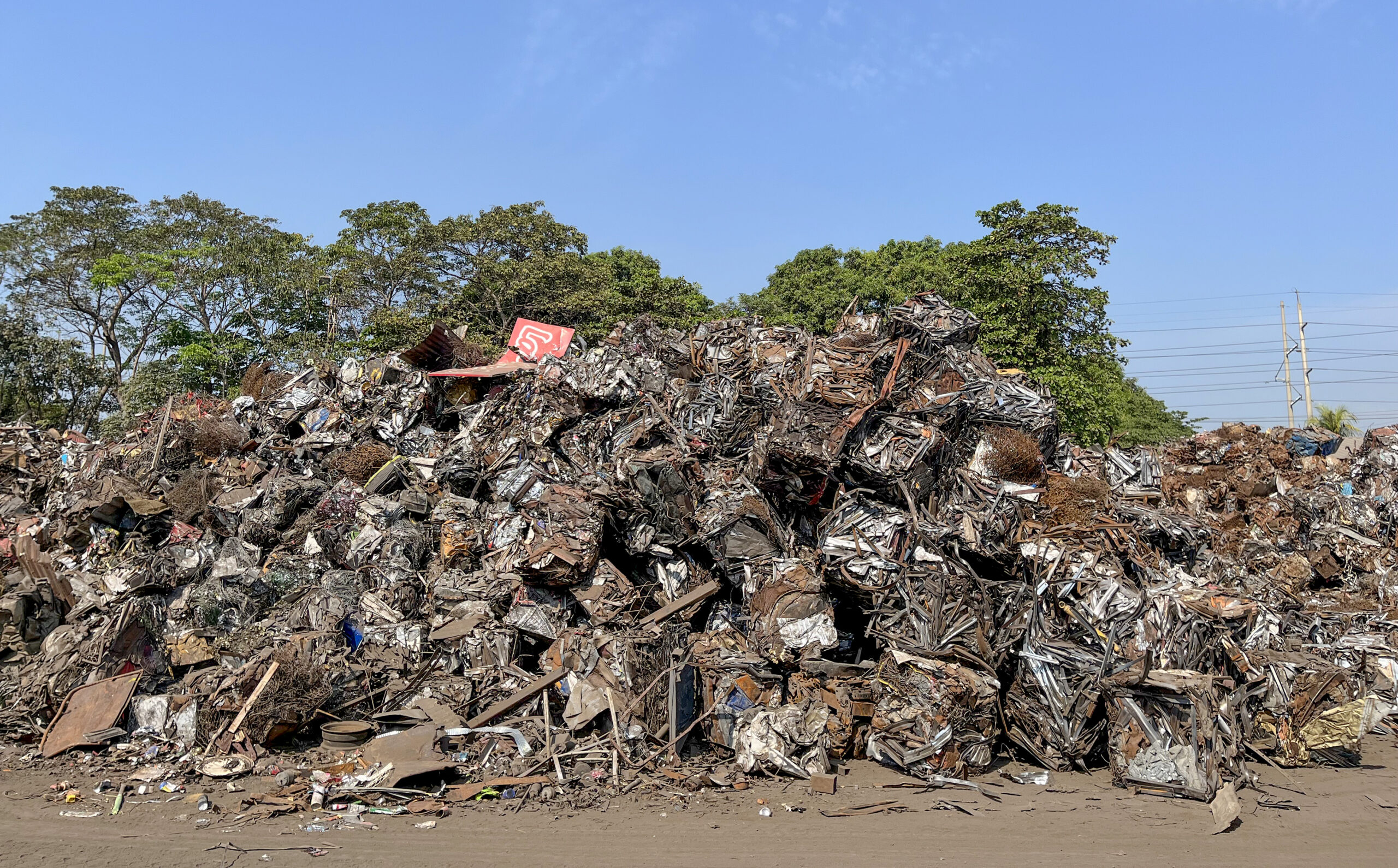
Ferrous scrap is part of that starting point. It includes materials from structures, machinery and industrial processes that are recovered to integrate them back into the steel mill as strategic raw materials.
Its transformation occurs through casting processes, where the metal is subjected to high temperatures until it reaches a liquid state, allowing its conversion to steel billet and subsequently to rods, wire rod or profiles. Currently, 100% of the continuous castings in the steel process are optimized with artificial intelligence, guaranteeing the exact dosage of chemical components at the minimum cost.
The efficiency of this process depends directly on the quality of the material from its origin, where factors such as size, density, composition and level of cleanliness influence the performance of the final product.
The starting point of efficiency
The transformation of steel begins long before casting. At Grupo AG, scrap classification is a key stage to ensure process consistency and material performance.
The company applies standardized technical criteria that allow maximizing the value of the material and optimizing its industrial processing:
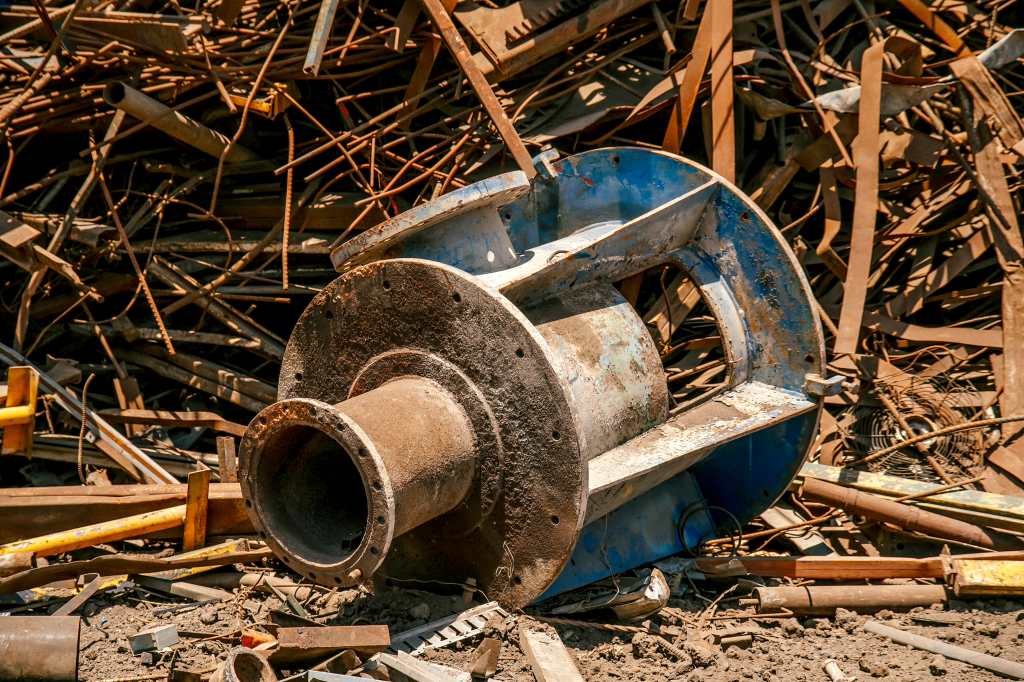
- High density material, ready to enter the oven without further treatment
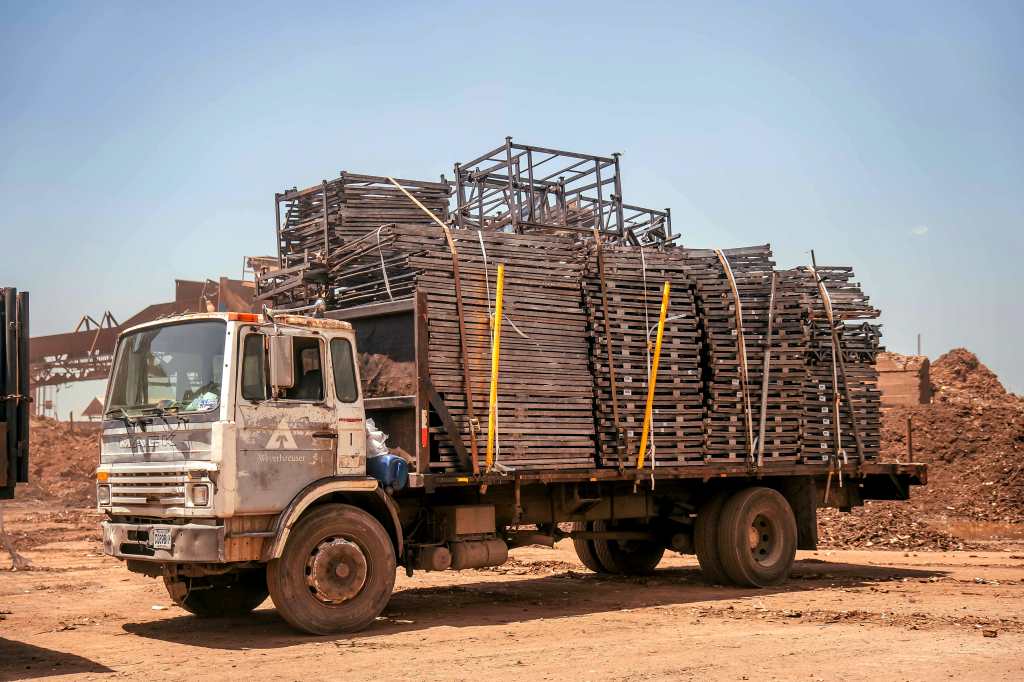
- Large pieces that require industrial cutting processes before processing
- Light scrap compacted into bales for easy transportation and handling
- Fragmented material with high density and lower presence of impurities
Grupo AG is the main industrial recycler in the region, which is reflected in the capacity to recycle more than 550 thousand metric tons of metal waste in 2025, leading a circular economy model, achieving that more than 57% of its inputs come from recycled materials. This also causes the carbon footprint emissions intensity to register 1.22 per ton of steel, below the steel industry average.
Starting with this model, the Grade 60 and Grade 80 iron rods have recycled product verification by the Guatemala Green Bulding Council (GGBC), which guarantees that they are manufactured with 100% recovered metal waste.
Through various alliances for the recovery of these materials, the company managed to recover 49.87% by 2025. This means that almost half of its waste was reintegrated into other production cycles, such as the cement industry.
A value chain
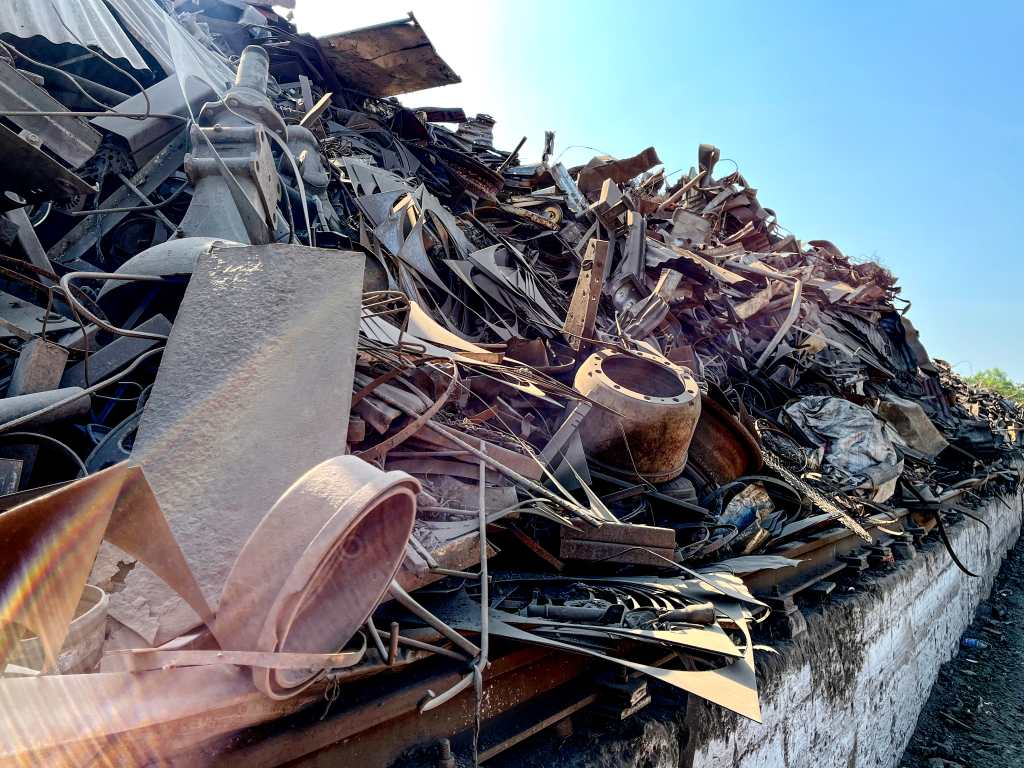
The transformation of scrap does not begin at the plant. At Grupo AG, this process is supported through a network of collection partners and collection centers that make the recovery, classification and transfer of the material possible.
To sustain this operation, we work together with suppliers that have developed technical capabilities to identify, separate and prepare scrap under specific quality standards. This stage is decisive to ensure the efficiency of the industrial process.
This model promotes the formalization and growth of collection centers and SMEs, generating stable commercial relationships that strengthen the local economy.
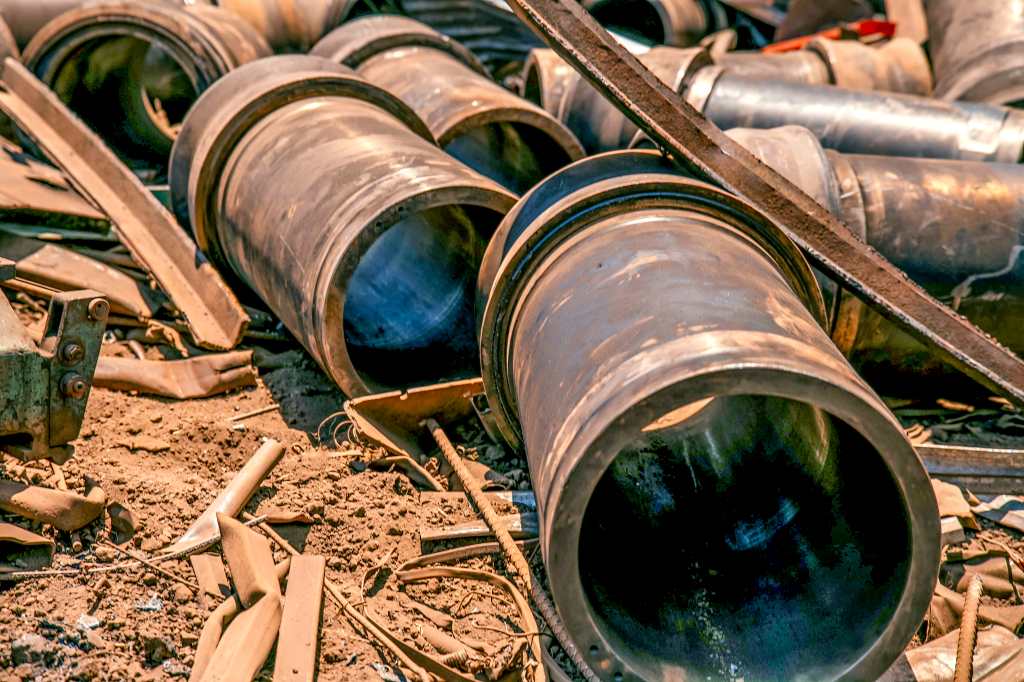
The stability in the demand for material allows for the generation of sustained income for those who participate in this activity, contributing to economic development in the region.
Towards sustainable development of the industry
Scrap metal recycling is part of a broader transformation in the way the construction industry is viewed. The ability to integrate operational efficiency, resource utilization and economic development becomes increasingly relevant in an environment that demands greater responsibility for the use of resources.
In construction, the performance of a work depends on what supports it from its foundations. Resistance, durability and structural safety are defined in that core where, as Grupo AG understands it, what is essential is inside and is what determines the real value of each project.