
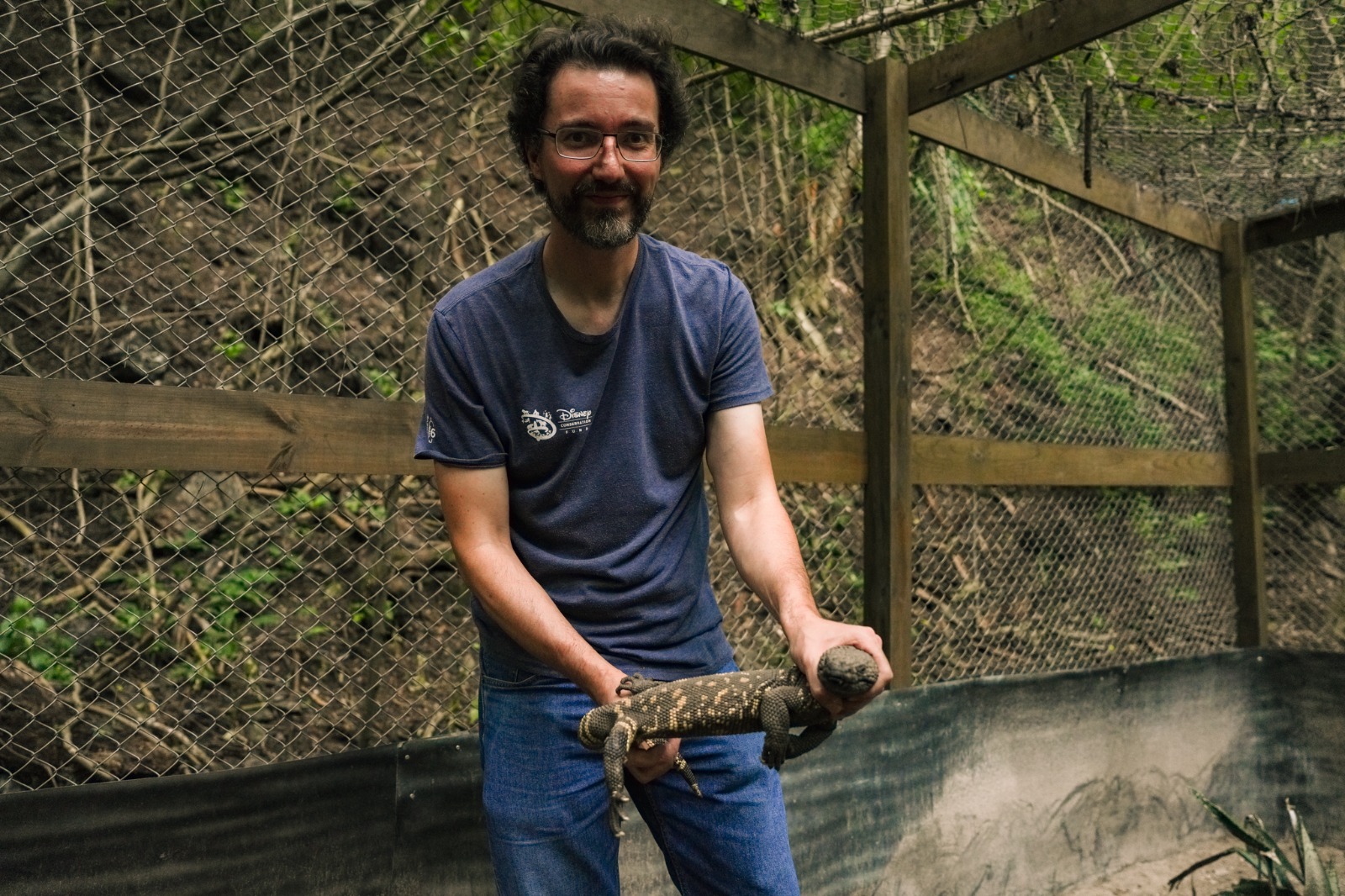
The birth of five offspring scorpion lizard (Heloderma charlesbogerti) within its natural habitat in the Motagua Valley represents an unprecedented advance for the conservation of this endemic species of Guatemala, cataloged in critical danger of extinction.
The project was led by Thomas Schrei, field director of Foundation for Endangered Species of Guatemala (Fundesgua), who explained that the process took five years of research, observation and adjustments to ensure that the specimens reproduced successfully in captivity.
As he explained, one of the key factors was developing the program within the same Motagua dry forestthe reptile’s natural ecosystem, which allowed the animals to receive essential environmental signals such as changes in temperature, humidity and seasonal cycles.
“The climate of the place itself gives the animals the environmental signals that are needed for their reproduction,” Schrei explained.
An extremely difficult reptile to reproduce
The researcher pointed out that the scorpion lizard It is a highly sensitive species with very specific environmental requirements, so the team had to constantly modify the conditions of the enclosures to reduce stress and improve the well-being of the specimens.
Among the main challenges were adapting the type of soil, controlling humidity and improving nutrition.
Additionally, locating specimens for the program represented another major challenge due to the rarity of the species in the wild. Schrei indicated that even in well-conserved areas it may be necessary to travel around 10 hectares to find a single adult individual.
“These are animals that are very difficult to find,” commented the specialist.
The slow reproductive cycle threatens the survival of the species
Schrei explained that the Heloderma charlesbogerti It has one of the slowest reproductive cycles among reptiles, a situation that increases its vulnerability to threats such as habitat loss and the death of adult specimens.
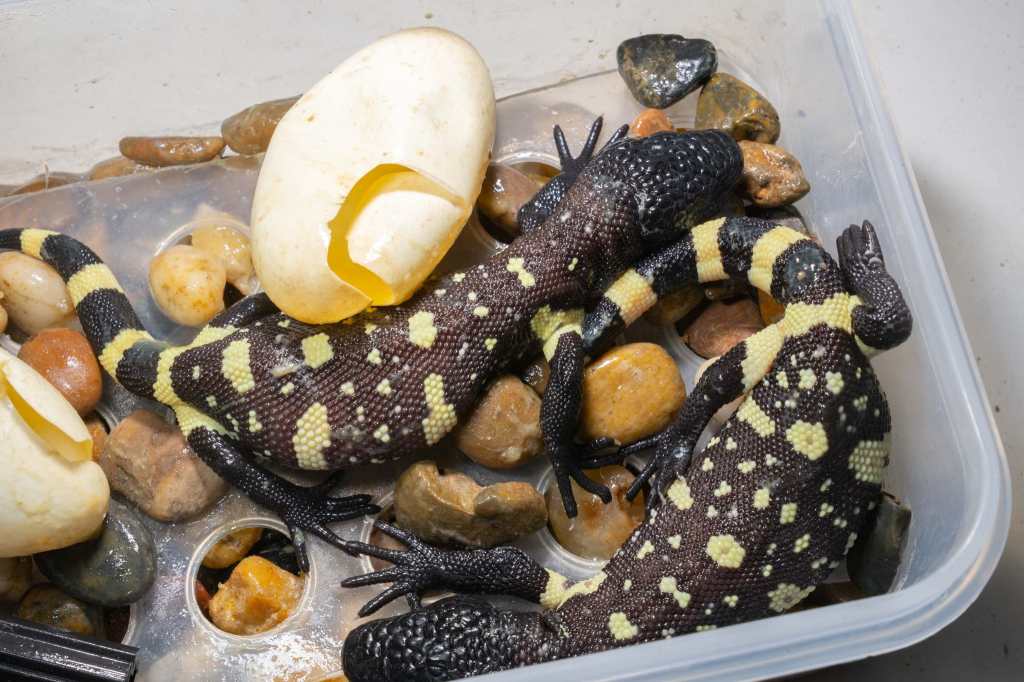
The expert added that the specimens take between six and seven years to reach reproductive maturity and that the females do not necessarily reproduce every year, since they require adequate food and climate conditions.
The mating season occurs between October and November. Subsequently, the females lay their eggs between the end of November and the beginning of December, while the incubation period lasts between 150 and 180 days.
RELATED READINGS

The young are born at the beginning of the rainy season, when the increase in humidity and food within the dry forest facilitates the survival of the juveniles.
The specialist indicated that females bury their eggs in underground nests throughout the dry season, although they face multiple natural risks such as drought, predation and extreme changes in humidity.
A predator specialized in eggs
The researcher explained that the scorpion lizard It has unusual characteristics among reptiles. In addition to being poisonous, it has skin covered with small bone structures and a highly specialized diet based mainly on reptile and bird eggs.
It can even consume eggs of its own species.
“He is an egg predator, it is his specialization,” Schrei said.
Genetic problems increase the risk of extinction
Schrei warned that current wild populations are so small that the species already has genetic diversity problems.
“This species has already been determined that, because its population is very reduced, it suffers from genetic problems,” he stated.
Therefore, it considers that captive breeding programs and future controlled releases could contribute not only to increasing the population, but also to strengthening the genetic diversity of the scorpion lizard in the long term.
An exclusive species
He Heloderma charlesbogerti It lives mainly in the Motagua Valley, one of the most arid regions of the country located between the departments of El Progreso and Zacapa.
Thomas Schrei explained that this reptile has an extremely limited distribution worldwide. In addition to Guatemala, populations only exist in small areas of the Pacific of Mexico and in some areas of Honduras.
Due to this reduced geographical presence, the researcher highlighted that the scorpion lizard It is considered a unique and highly vulnerable species, since it lives only in small specific ecosystems within the entire region.
Due to the high temperatures of the ecosystem, the reptile spends much of the year hidden in burrows, caves and rock crevices to conserve energy and avoid extreme heat.
Schrei highlighted that it is a unique reptile in the world. “You won’t find a lizard that looks like it,” he said.
Within the protected (private) area where the Fundesgua project is developed, it is estimated that there are approximately 60 wild specimens. However, the species remains extremely rare and vulnerable due to dry forest fragmentation and human persecution.
You have to protect the scorpion lizard and not kill it when you find it
Finally, Schrei called on the Guatemalan population not to fear the scorpion lizardsince it is a species that avoids contact with people and plays an important role within the dry forest ecosystem.
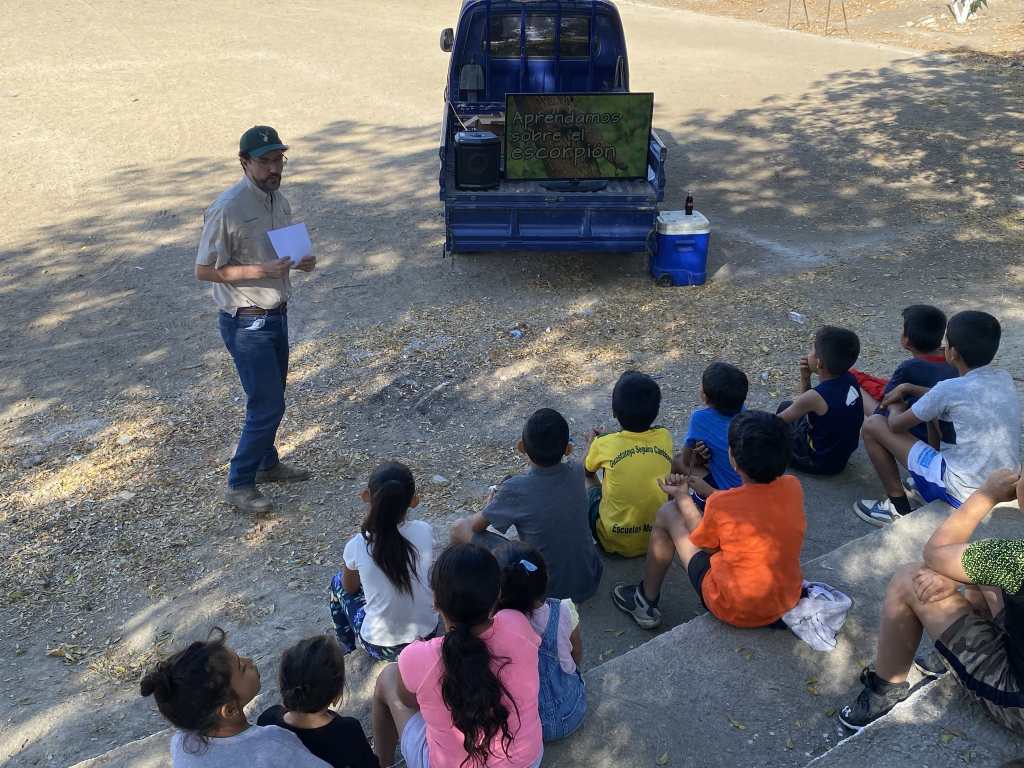
The biologist also explained that, although the scorpion lizard does have poison, this does not represent a danger deadly to humans.
The researcher recommended that, if a person finds a specimen, the most important thing is not to try to kill, capture or manipulate it. Instead, he suggested keeping distance to contribute to the protection of one of the most unique and endangered species in Guatemala.