
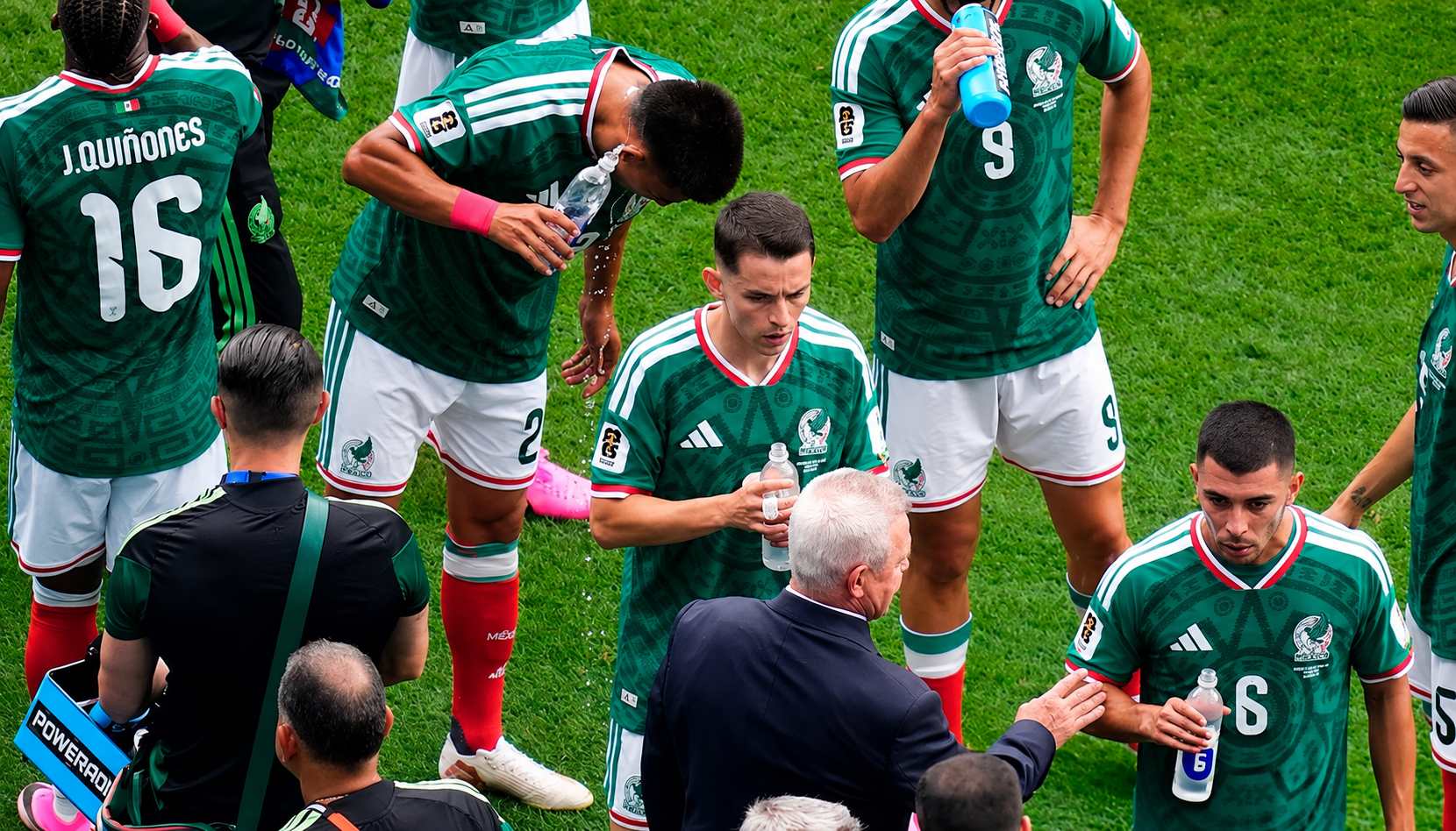
The 2026 World Cup began with an innovation that quickly opened an intense debate within football. FIFA implemented mandatory three-minute hydration breaks at the 22nd minute of each half in all matches of the tournament, a measure that has generated criticism among fans, players and coaches.
The controversy has been reflected in the first games that have been played. In the transmissions you heard: “And here the first quarter ends”a comparison between the new format and sports like basketball that has been repeated among many followers.
The criticism doesn’t just come from the stands. The United States coach, Mauricio Pochettino, questioned the mandatory nature of the measure and assured that he only considers it necessary in extreme weather conditions. “I don’t like them, I only like them if the conditions are extreme,” stated the Argentine coach.
Behind the sports discussion there also appears an uncomfortable question: whether the breaks were created exclusively to protect the footballers or whether they respond to commercial interests. FIFA presented the measure as a welfare initiative for players, but at the same time it opened new opportunities for advertising during matches.
The implementation has not been without criticism. In some matches, interruptions caused mismatches between the broadcast and the development of the game, leading to some viewers missing part of the action when returning from commercial spaces, thus increasing the debate over the true impact of the measure.
Critics maintain that the mandatory nature of breaks, even when weather conditions are not extreme, fuels doubts about the true objective of the measure. During the match between the United States and Paraguay, the interruption was made even though the weather and conditions of the stadium did not seem to justify it.
The controversy increased when the players were observed waiting on the field while the advertising spaces for the broadcasts concluded. For detractors, these breaks represent new commercial opportunities in the 104 matches of the tournament.
Not all operators adopted the same strategy. Some broadcasts chose to maintain live coverage during breaks with analysis, replays and tactical indications, a decision that was welcomed by fans who believe that it helps preserve the essence of the sporting spectacle while the debate on the future of this measure continues.