
The rhythm inflation rate in Guatemala reached 2.27% in June, which meant a slowdown explained by the validity of support for fuels and the reduction in international prices for a barrel of oil and its derivatives, according to the explanation released by the monetary authorities after knowing the results.
The transportation spending division had a negative monthly impact of -0.50% and at the same time gasoline and diesel were the main products that registered negative variation, that is, drops during June, according to the Consumer Price Index (CPI) report released by the National Institute of Statistics (INE).
Monthly inflation was negative -0.32% and the accumulated inflation from January to June was 1.61%.
Inflation falls due to lower oil prices
Álvaro González Ricci, president of the Bank of Guatemala (Banguat), declared that the inflation rate, at 2.27%, reflects a decrease compared to May, when it stood at 2.86%, mainly associated with the combined effect of the temporary social support subsidy for fuels in the domestic market, as well as the moderation of the international oil price and its derivatives, after the signing of the memorandum of understanding between the United States and Iran to lay the foundations for a definitive peace agreement.
The report from the National Institute of Statistics (INE) highlights that the average price of a barrel of oil in June was US$85.52, US$16.61 less than in May, when the average was US$102.13, which represents a contraction of 16.27%.
In mid-June, a memorandum of understanding between the United States and Iran to guarantee the movement of oil tankers through the Strait of Hormuz, which transport products from the Persian Gulf, one of the main oil-producing areas.
The agreement allowed a decrease in the prices of a barrel of crude oil.
Banguat foresees moderate rise in inflation
The monetary authority also provided a perspective on the behavior of prices for the coming months, in which it highlighted the possible effects of the El Niño phenomenon, mainly in the agricultural sector and energy generation.
Álvaro González Ricci highlighted that, in general terms, it is anticipated that inflation will show a slight upward trend until it is within the goal set by the Monetary Board, of 4% plus/minus 1 percentage point, by the end of 2026.
Regarding the next 12 months, he expressed that, because inflation has remained below the target for several months, it is expected to gradually return to the established range, with a moderate increase during that period.
He clarified that this projection could vary, since the risk of a new escalation of geopolitical tensions in the Middle East persists if a definitive peace agreement is not reached. He also warned about the risk of adverse weather conditions that affect agricultural production, such as a strong El Niño event, characterized by decreased rainfall.
Fuels rise again after subsidy
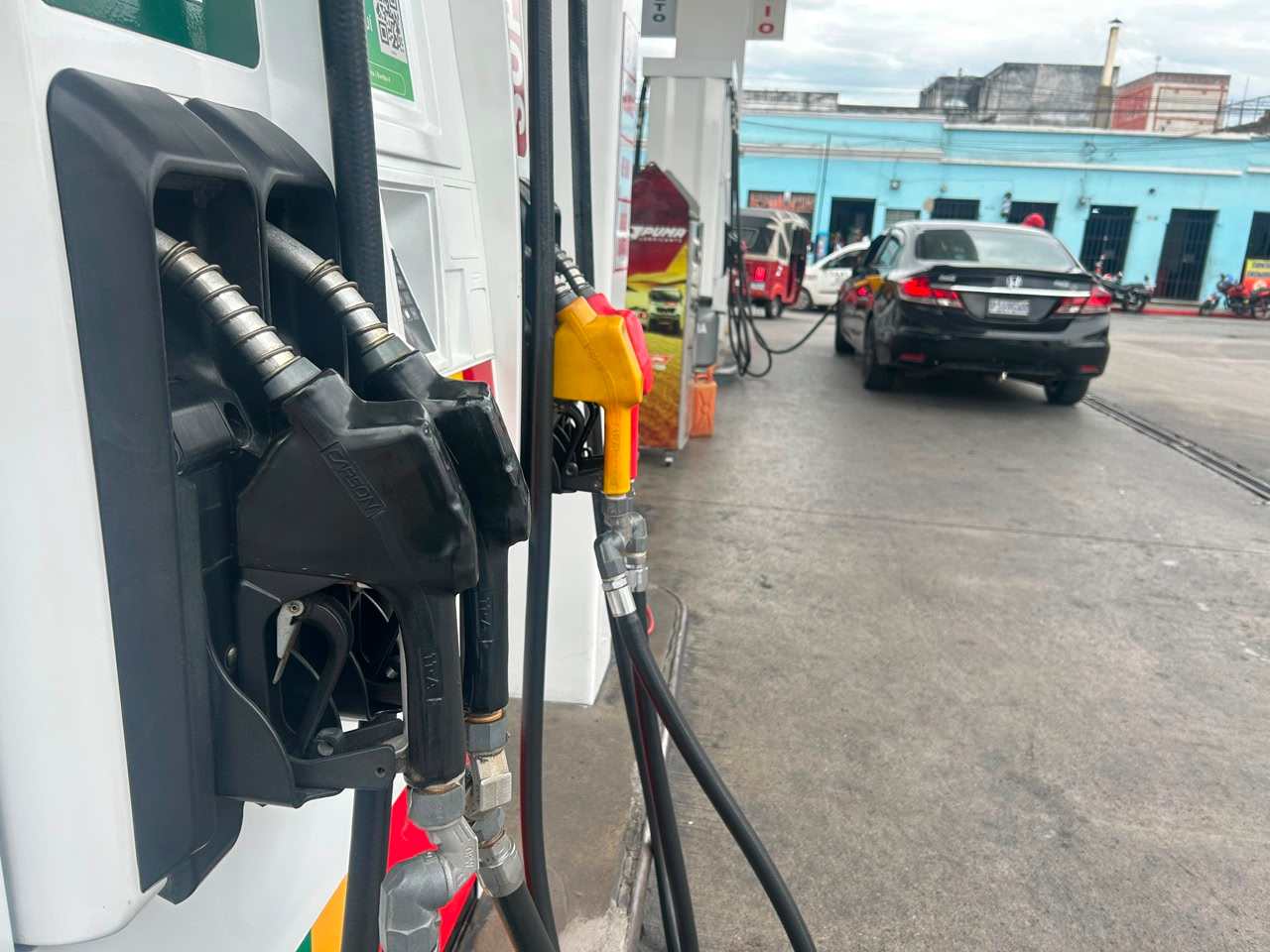
On Friday, July 3, the Ministry of Energy and Mines (MEM) concluded the fuel subsidy program, which granted Q5 per gallon of premium and regular gasoline, and Q8 per gallon of diesel.
As a consequence, prices increased by those same amounts and resumed the trend observed before the application of temporary support.
This Tuesday, July 7, the reference prices in the self-service mode at service stations in the metropolitan area are Q38.09 for a gallon of premium gasoline, Q37.09 for regular gasoline, and Q35.59 for diesel.
These upward variations in prices will be reflected in the Consumer Price Index (CPI) report for July.