

The world is vast, full of colors, flavors, sounds and textures that arouse our senses. Every unknown corner is an invitation to explore not only what surrounds us, but also what we carry inside.
Either a distant or close destination, something new or known, Changing routine will always be a good option to renew us. Have you ever stopped to think what is behind that feeling of well -being that we experience when you know new things?
Traveling, more than the experience of discovering a different place, is an opportunity to reconnect with ourselves, to feel alive and present.
The power to be present
Traveling takes us out of the routine and invites us to be more attentive to the present. The expert psychologist in contextual therapy Ana Gabriela Dubón explains that “when one is much more present, people feel as if they were more awake, more alive.”
This connection with the current moment is key to reducing stress and anxiety. “The trip almost always evokes that feeling of openness to experience, which makes everything feel better,” he adds.
Besides, Traveling generally awakens curiosity, the sense of adventure and provides the feeling of being alert.
However, Dubón clarifies that not all people experience this in the same way. “If someone is going through a moment of depression, it may be more difficult to connect with the stimuli present,” he says. In those cases, “fusion” with negative thoughts and emotions can hinder experience.
How to change the routine to the brain
One of the most fascinating aspects of traveling is its impact on the brain. Dubón emphasizes that Travel improves neuroplasticity, that is, the ability of the brain to form new neuronal connections.
“When you travel, there are many new learning, and new connections are formed in your brain,” he explains. This not only improves creativity and problem solving, but also stimulates curiosity and observation.
Psychologist Angie Mendoza coincides and adds that Travel activates neurotransmitters such as dopamine and serotonin, associated with pleasure and happiness. “Every time we have a new experience, our brain generates new connections,” he says.
This “hormone cocktail” not only makes us feel good, but also helps to release accumulated cortisol, stress hormone. “Cortisol is not bad in itself, but when it accumulates, it can generate problems. Travel allows us to use it positively, as a source of energy to adapt to new situations, ”he adds.
Mendoza also highlights how Trips face challenges that, although they may seem small, strengthen our ability to adapt and resilience. “Facing unknown situations, such as asking for help in another language or finding resources in a new place, makes us more skilled and safe about ourselves,” he says.
Travel as therapy, but with caution
Both Dubón and Mendoza agree that Traveling can be a therapeutic experience, but it should not be seen as a magical solution. “It does not fulfill the function of a psychotherapy process, but it can contribute to well -being,” says Mendoza.
In addition, Dubón mentions that travel is not recommended when it becomes a way of evading problems. “If every time you feel bad, you decide to travel to escape, that will not help you solve what really affects you,” says Dubón.
Mendoza adds that traveling without expectations is key to enjoy fully. “Not because you try a new dish or visit an unknown beach means that you will like it. The idea is to explore and be open to experience, ”he recommends.
That opening will allow us not to disappoint if something is not as we expected and have a better experience if something is better or more beautiful than the imagined.
In addition, Mendoza recommends trips that allow connection with nature. “When we have contact with naturelike a river, a volcano or a beach, the benefits for mental health are even greater, ”he says. This is because these environments allow us to breathe more pure air, reduce visual and auditory noise, and connect with ourselves.
“In front of the sea or in a forest it is easier to reflect and find calm,” he explains. Unlike trips to places with a lot of activity, such as festivals or bustling cities, natural destinations offer a more lasting sense of well -being.
A resilience tool
Mendoza also highlights how trips can help us overcome difficult moments, such as a loss or a break. “Traveling puts us in a state of survival, where we stop focusing on what hurts and we began to see other facets of life,” he explains. This experience allows us to gain perspective and strengthen our resilience.
“When we manage to adapt to a new place, we overcome obstacles and feel capable, that reinforces our self -esteem and helps us face other challenges,” he says. In addition, trips can be a way to let and advance. “The duel implies movement, and traveling is a literal way to move forward,” he adds.

Psychological benefits of traveling
Among the main benefits that the experts stand out are:
- It enhances the ability to observe and presence.
- It evokes curiosity and openness to new experiences.
- It favors neuroplasticity and learning.
- Improves resilience and adaptability.
- Reinforces the connection with personal values.
Recommendations for a positive trip
For a trip to have a positive impact on mental health, Mendoza suggests:
- Plan with flexibility, accepting that not everything will be expected. Not everything has to go perfect to enjoy it. Accept that there will be unforeseen and take them as part of the adventure.
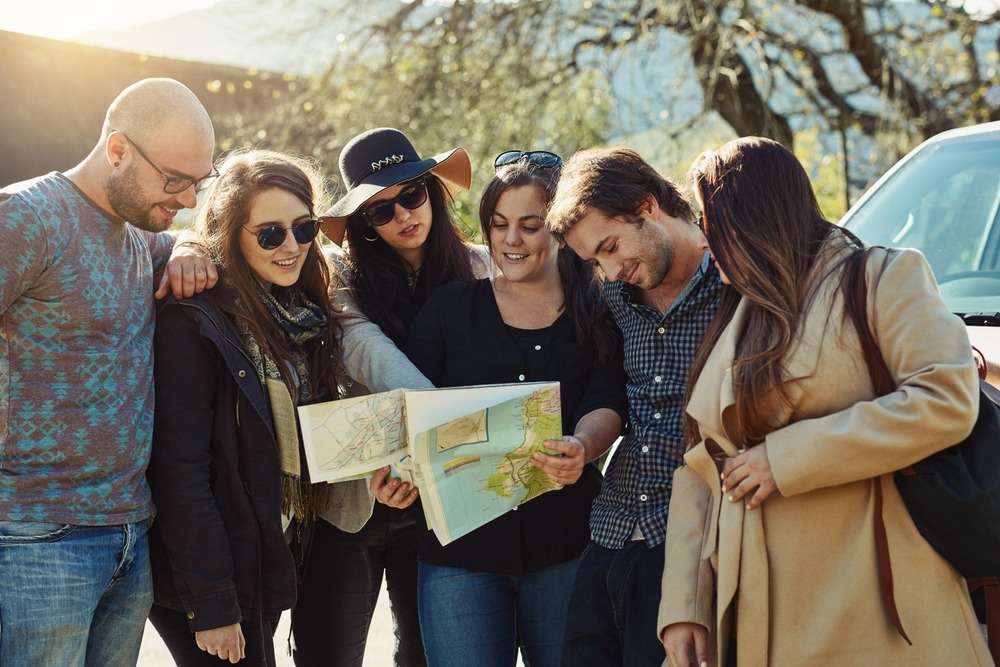
- Traveling with people who promote a enjoyable and positive atmosphere. Being accompanied by people with an optimistic and open vision can make the experience more enriching.
- Travel with intention, not to escape. If you travel to evade problems, it is likely that when you return you will meet the same situation. Instead, do it to learn, grow and enjoy.
- Prioritize natural destinations to connect with oneself. Nature has a unique therapeutic power. Look for places where you can reflect and reunite with yourself.