
Exports of Guatemalan products in the first two months of 2026 reached US$2,661.2 million, an amount higher by US$188.8 million, which represents a growth of 7.6% compared to the same period in 2025, according to data from the Bank of Guatemala (Banguat).
Coffee and clothing and textile items led the accumulated exports of January and February. The top five are complemented by sugar, banana and edible fats and oils (African palm).
Clothing and textiles recover jobs
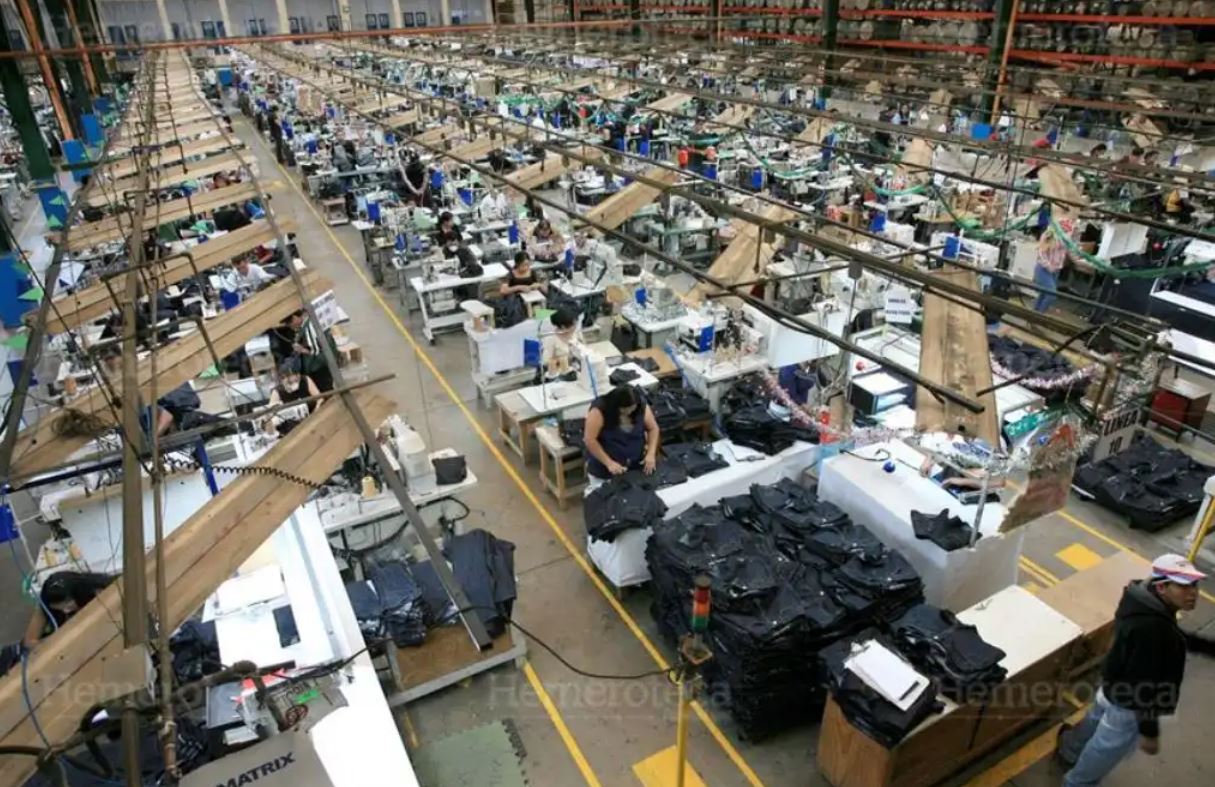
In clothing and textiles, the behavior is mixed, and in the first two months of 2026 the trend changed compared to what was reported in 2025.
Clothing items recorded exports of US$245.5 million, a growth of US$28.0 million, that is, 12.9% more than in the same period. In volume, the growth is 24.6%, although the price was still 9.6% lower. This product reported falls during almost all months of last year, derived from the uncertainty caused by the implementation of 10% tariffs by the United States on the import of Guatemalan products.

In textiles (fabrics and fabrics), unlike last year, there is now a drop. In the first two months of 2026, US$47.9 million in fabrics were exported, a reduction of 10.1%. The volume also fell, 8.5%, and the price, 1.7%, explained Alejandro Ceballos, vice president of the Clothing and Textile Industry Association (Vestex), of Agexport.
The sector also has data for the first quarter. In that period of 2026, it has exported eight million 163 thousand 299 dozen items of clothing to the United States, a growth of 7.79% (590 thousand 224 dozen) compared to the same period in 2025.
In addition, it exported 33 million 369 thousand 774 pounds of fabric to Mexico and Central America, 6.55% less, a drop of around two million 338 thousand pounds.
What has changed in the market this year is that now the sector is making much more. Clothing plants are opening, which has not happened for years, according to Ceballos.
CONTENT FOR SUBSCRIBERS
The expectation for the end of the year is to grow 10%, based on two factors, which the manager cites: more manufacturing is being done in the country, more jobs have been generated and more factories are being opened; two of these in Chimaltenango and a third, which has already purchased the land, will invest in the next four years to bring manufacturing to that department.
The other points are related to conditions in other countries, for example, the problems in Nicaragua in terms of human rights, a country where clothing had grown a lot and to which Guatemala exported fabrics. The move that some companies make is to leave Nicaragua and move to the Northern Triangle, as well as take advantage of the competitiveness that Guatemala has compared to Asia by not paying tariffs.
The reactivation of the clothing sector has boosted the creation of jobs and, from January to March, 8,328 have been generated in the country, explains the manager.
This derives from the reactivation of positions that had been reduced and the reopening of new factories in the interior of the country. The differentiation of the minimum wage within the country has also had an influence, mainly for Korean investors.
After the exemption of tariffs for the clothing and textile sector by the US, orders have also been reactivated, mainly currently, when synthetic or polyester fabric began to rise due to the war in the Middle East. That is why it is more important not to have tariffs compared to other competitors, because Asian countries face a higher percentage of that tax.
In values, the growth will be greater, since the inflationary effect of the war has already affected prices, mainly of synthetic fabric.
The value of a pound of polyester has already risen almost 20%, for that reason.
“Guatemala has growth in dollars and in dozens, and it is seen that we are already sending less fabric to Central America because we are already making more in the country,” said Ceballos.
CONTENT FOR SUBSCRIBERS
Coffee
In the first two months, coffee ranked first with US$322.7 million, a growth of 47%; Meanwhile, the volume increased 31.1% and the price, 12.1%.
According to the National Coffee Association (Anacafé), in that period the good performance of exports responds to a combination of productive, commercial and market factors.
Firstly, the entity mentions that the strengthening of the quality and differentiation of Guatemalan coffee continues to influence, driven by various programs, which has allowed maintaining solid demand in strategic destinations such as North America, Europe and Asia, “where the Guatemalan origin continues to be highly valued.”
The entity adds that the favorable behavior of international coffee prices has had a direct impact on the amount exported.
In 2026, the international price of coffee reached a maximum of US$383.85 per quintal gold in January. Although from February to April 13, a downward trend is observed and is between US$338.25 and US$278.65, explains Anacafé. This behavior has been influenced by better harvest prospects in Brazil and Vietnam, the world’s main producers.
The behavior of the KC contract on the ICE exchange has been conditioned by geopolitical factors, such as the conflict in the Middle East, which has generated upward pressure on the costs of oil and fertilizers, “although prices have found support in the slow recovery of stocks certified on the exchange and in the moderate pace of exports from Brazil and Colombia,” explains the association.
The amount of exports is driven “by an environment of historically high prices”, associated with global climatic factors, supply pressures and a sustained demand for quality coffees, Anacafé explained, mentioning that another important element has been greater support and technology transfer to the producer, through programs such as Sustainable Profitability.
For the 2025-2026 harvest, export expectations remain positive and stable in relation to production in recent years. An exportable production of 4.1 million quintals of golden coffee is projected, a figure that allows maintaining a favorable outlook for exports, especially considering the good positioning of Guatemalan coffee and differentiated coffees.
Other products
In the first two months of this year, sugar was reported with US$164.0 million, which represents a drop of 16%; banana, with US$153.6 million and a growth of 5.7%; edible fats and oils, with US$136.5 million and 50.9% more, driven by volume; cardamom, with US$123 million and 49.7% more; dried, fresh and frozen fruits, with US$106.8 million and 2.9% more; plastic materials and their manufactures, with US$97.8 million and 2.7% growth; pharmaceutical products, with US$71.8 million and 18.1% more, and cereal-based preparations, with US$68.3 million and 10% more.