
On the afternoon of this Wednesday, April 29, the country risk agency Moody’s maintained Guatemala’s rating at Ba1, with a stable outlook. which means that you do not perceive major changes for the next 12 months.
The result released by the risk rating agency is part of the meetings held with various authorities and representatives of the private sector in mid-March, to learn about the performance of the 2025 indicators, as well as the prospects for 2026 and 2027.
A mission from the International Monetary Fund (IMF) is expected to visit at the end of May and beginning of June for the annual Article IV evaluation.
Since 2025, Guatemala has maintained a position one step away from reaching the investment grade category. which means an improvement from the macroeconomic perspective; however, several challenges remain.
Juan Carlos Zapata, executive director of the Foundation for the Development of Guatemala (Fundesa), explained that the ratification of Ba1 confirms that Guatemala has solid foundations, but also that it has not improved its Moody’s rating for years.
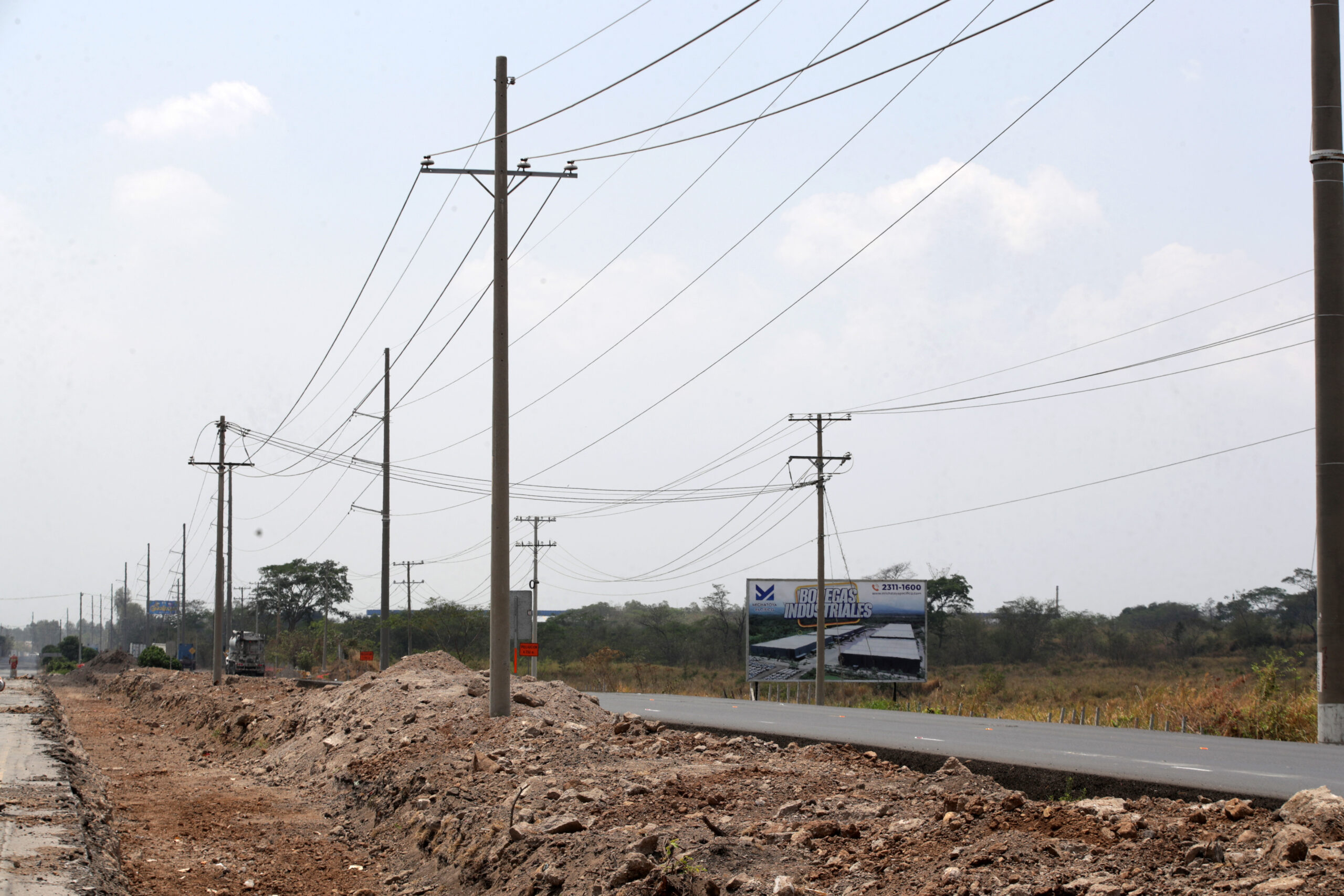
“Today, the country has a real window to reach investment grade if it translates its macroeconomic strength into concrete governance, formalization and infrastructure reforms. At Fundesa, that is the commitment we promote and that is why it is urgent that the Government implement approved laws such as the Priority Road Infrastructure Law,” he emphasized.
Moody’s maintains stable outlook for Guatemala
The monetary authorities confirmed that the Guatemalan economy grew 4.3% in 2025, according to the review carried out in April, a figure higher than the initial 4.1%. In addition, they indicated that the prospects for 2026 are maintained.
The agency’s report notes that “the confirmation of Guatemala’s Ba1 rating balances the improving institutional momentum, solid trend growth, track record of prudent fiscal management and limited external vulnerability, in the face of persistent economic and institutional structural restrictions compared to higher-rated countries.”
The country’s main credit challenges include a still developing state capacity, a narrow revenue base and a significant infrastructure deficit, result of a long history of low physical and human capital formation, partially mitigated by greater reform efforts.
The rating agency maintains that these limitations weaken productive capacityrestrict the ability of the Government to provide administrative and regulatory functions effectively and weigh on inflows of foreign direct investment (FDI) and export competitiveness.
Fiscal strength is supported by a long track record of prudent debt management and a low government debt burden, mitigated by the narrow revenue base and rigid spending structure, which limit the Government’s fiscal flexibility and debt affordability.
The stable outlook reflects expectations that gradual institutional improvements will take time to translate into materially stronger economic or fiscal fundamentals, due to persistent policy implementation challenges, while downside risks remain contained.
External and geopolitical risks, such as tightening US immigration policies and exposure to commodity price volatility, could slow the pace of remittances, although strong external buffers and Prudent macroeconomic management mitigates these risks.
Guatemala’s local currency and foreign currency ceilings remain unchanged: the local currency ceiling at Baa1 (three notches above the sovereign rating) reflects limited government intervention in the economy and contained political risk.
The foreign currency ceiling at Baa3 (two steps below the local currency ceiling) reflects the comparatively high ratio of foreign currency loans to deposits, greater than 100% in the Guatemalan banking system compared to its regional peers.