
According to the news site Axios, US Central Command has drawn up plans for a series of “short and forceful” attacks aimed at forcing a breakthrough in talks with Tehran.
The BBC has contacted the Pentagon and the White House for comment.
But the potential impact goes far beyond fuel prices. Experts point out that the mechanism is a chain reaction: when the price of oil rises, the effects spread to the entire global economy.
Rising oil prices “have a ripple effect not only on crude oil, but also on oil-related products, inflation and basically every aspect of our daily lives,” explains Naveen Das, senior oil analyst at data and analytics platform Kpler.
“We may start to see more headlines about attempts to de-escalate the situation again,” he adds.
1. Oil becomes more expensive
This is the starting point. Crude oil prices rise due to concerns about supply, geopolitical conflicts or speculation in the markets.
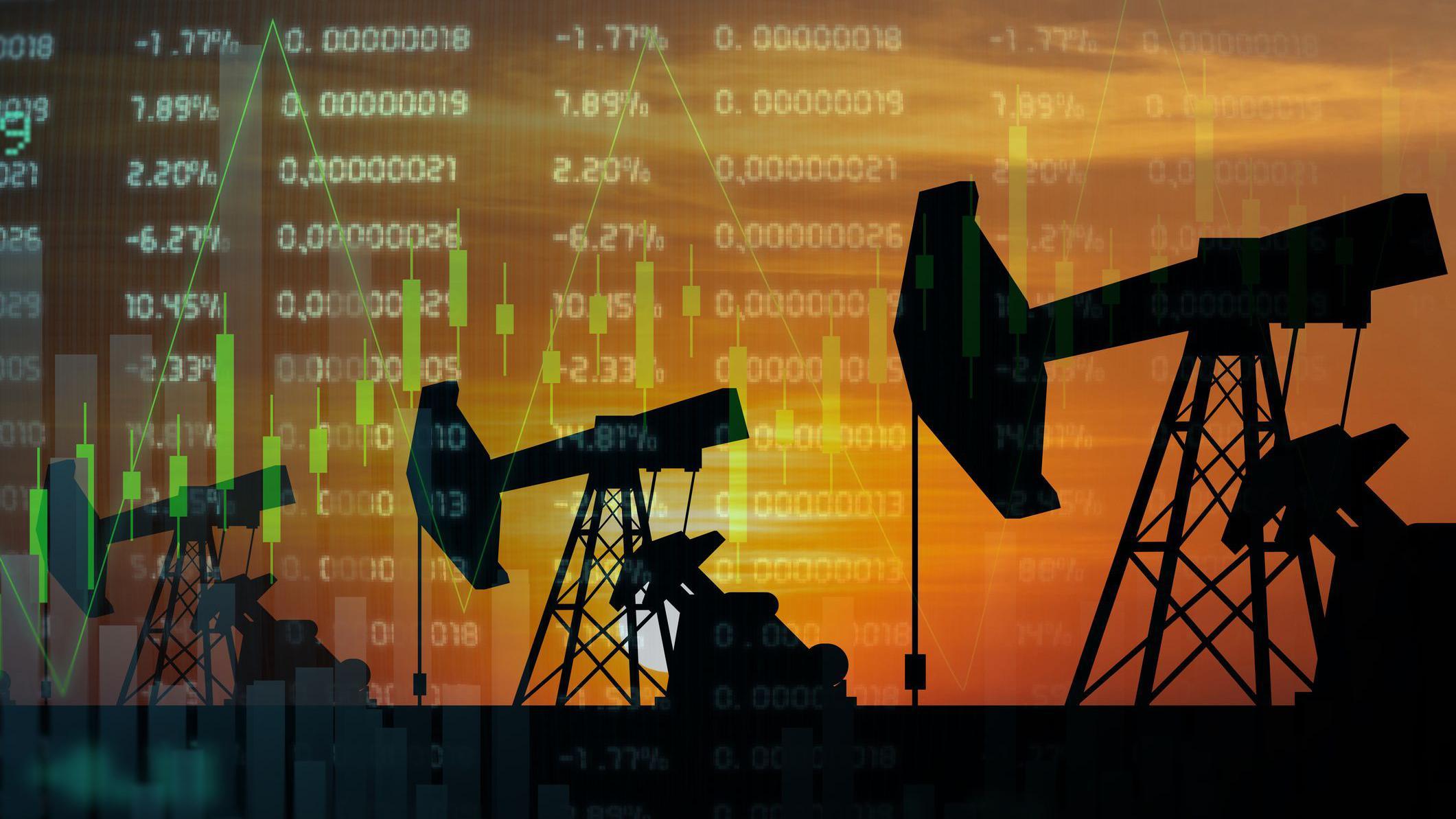
Brent crude briefly rose almost 7% to above US$126 per barrel before retreating to around US$116 in the European session. Prices have risen this week as peace efforts stall and the Strait of Hormuz remains largely closed, driving up fuel costs for drivers.
Before the US and Israeli attack on Iran began, Brent crude oil was trading around US$70 per barrel, that is, 44.4% less than the maximum reached on Thursday.
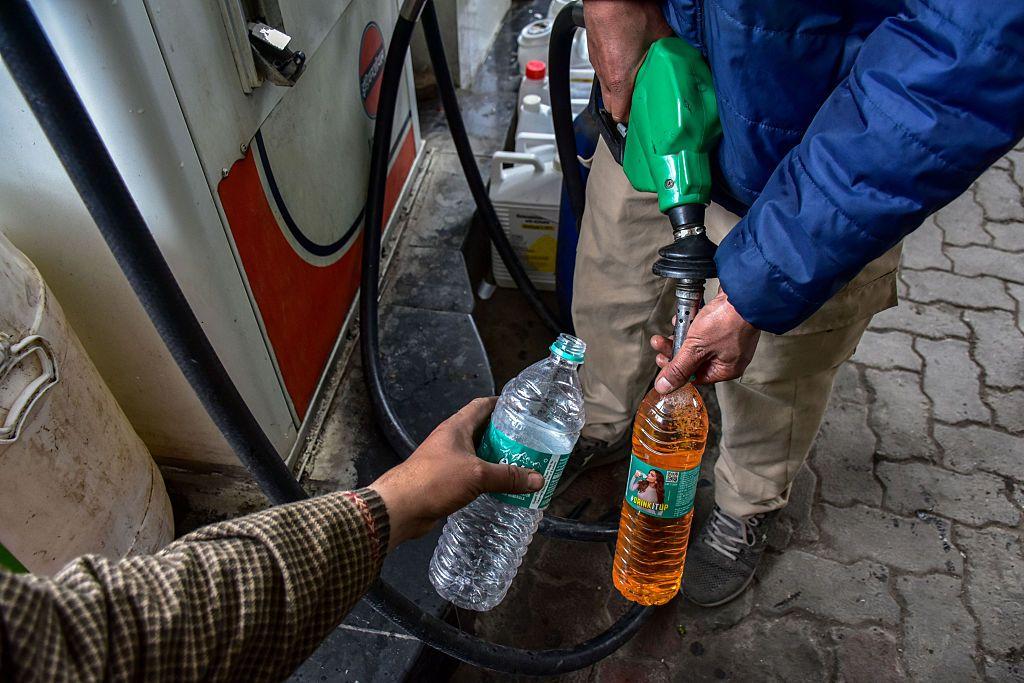
Crude oil is the key component of gasoline and diesel, meaning rising wholesale prices are quickly reflected at the pump.
The Brent contract for delivery in June expires this Thursday at 23:00 GMT. The July one, which is currently the most negotiated and sets the price of crude oil for the coming months, was around US$110 per barrel.
2. Petroleum derivatives rise
Oil is not only used as fuel, but is also a key input in a wide range of products. Consequently, rising crude oil prices translate into higher production costs in sectors such as aviation fuel, plastics and packaging, as well as chemicals and fertilizers.
Governments have warned that households could face rising energy bills, food prices and air fares as a result of the conflict.
Some airlines have already raised fares or cut routes. Fertilizer prices have also been increasing, which could end up translating into higher food prices.
Susannah Streeter, chief investment strategist at consultancy Wealth Club, says costs could remain elevated into next year.
“Shipments of urea, used for fertilizer, are blocked, and costs have skyrocketed for farmers around the world who did not purchase stocks in advance,” he says.
“The concern is that these costs will be passed along the supply chain, making everyday consumer products more expensive later this year and next year.”
3. Transportation becomes more expensive
Since almost everything depends on transportation—food, consumer goods, and raw materials—increasing fuel costs directly increase shipping costs.
When it becomes more expensive to transport goods globally, companies often pass those costs on to consumers, putting additional pressure on retail prices.
4. Inflation increases
Cost increases are piling up across the global economy. As energy becomes more expensive, companies face higher operating costs, from running factories to heating buildings and transporting goods.
Food prices are also rising as agriculture, packaging and distribution depend on fuels and fertilizers linked to oil. Likewise, everyday products, from clothing to electronic devices, become more expensive both in their production and in their distribution.
As these increases accumulate across multiple sectors at once, price pressures become more widespread and persistent. When this pattern lasts over time rather than being a short-term spike, economists describe it as inflation: a general and sustained increase in the cost of living.
“The whole world is facing this, some countries more, others less,” says André Perfeito, a Brazilian economist who heads the consulting firm APCE.
“Brazil is having a very bad time, for example,” he adds, noting that inflation has remained persistently above the Central Bank’s target range in recent months.
After peaking above 5% in mid-2025, Brazil’s annual inflation gradually moderated but remained elevated, ranging between 4.3% and 4.4% in early 2026, above the 3% target.
It is now expected to end the year at 4.86%, according to the latest forecasts from the country’s Central Bank, due to the conflict in the Middle East.
Other countries have followed a similar trend.
5. Repercussions on daily life
For households, this ends up impacting daily life in multiple ways. Shopping bills increase, commuting to work becomes more expensive and utility bills rise.
As the cost of living rises, workers may demand higher wages to meet expenses, which can add further inflationary pressure. In response, central banks may raise interest rates to control inflation, making mortgages and loans more expensive and discouraging spending and borrowing.
In some countries, such as Pakistan and Bangladesh, governments have ordered the closure of schools to save fuel and reduce costs.
“All this is creating the conditions for a slowdown, a global recession,” says Perfeito.
“There are not many options to think about a short-term solution. I don’t think Trump is going to alleviate this, at least for now,” he adds.
In its latest “World Economic Outlook” report, the International Monetary Fund (IMF) warns that the conflict with Iran risks throwing the global economy off course, and that a prolonged escalation would increase the risk of a global recession.
The multilateral organization also urges central banks to act cautiously when raising interest rates in response to rising inflation.
However, US Treasury Secretary Scott Bessent told the BBC that “a small economic sacrifice for a few weeks” was justified if it reduced the risk of Iran developing nuclear weapons.
“I’m less concerned about short-term forecasts than long-term security,” he said.

click here to read more stories from BBC News Mundo.
Subscribe here to our new newsletter to receive a selection of our best content of the week every Friday.
You can also follow us on YouTube, instagram, TikTok, x, Facebook and in our whatsapp channel.
And remember that you can receive notifications in our app. Download the latest version and activate them.