
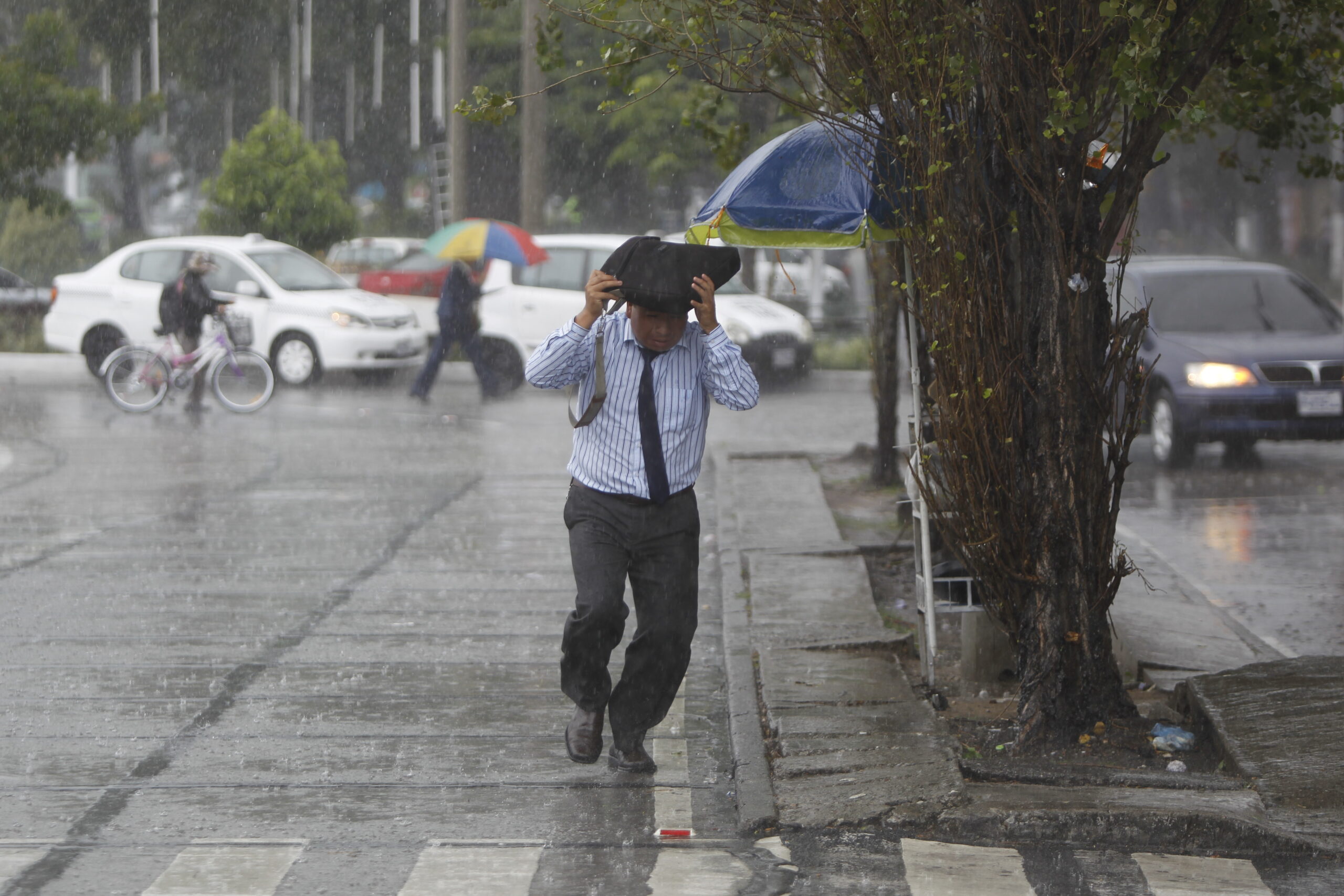
He National Institute of Seismology, Volcanology, Meteorology and Hydrology (Insivumeh) reported that the start of the rainy season 2026 In Guatemala it is expected between April and May, depending on the region, due to atypical climatic conditions associated with ocean-atmospheric factors.
The forecast, released In a special bulletin, it details variations in rain, heat waves and possible effects of the phenomenon of The Childwith impact throughout the national territory.
The rains are coming early in Guatemala: what you should know
With a call to preventionhe Insivumeh warned that the rainy season in Guatemala 2026 could be advanced in several regions of the country. The special bulletin points out atypical climatic behavior, which would not only modify the usual dates, but also the intensity and distribution of precipitation.
Special Bulletin
Beginning of the Rainy Season
IELL-202604#SomosINSIVUMEH #PassionForScience #AlPuebloDignoSeLeResponde #CIV
(1/2) pic.twitter.com/bWQX6bSruT— INSIVUMEH (@insivumehgt) April 15, 2026
The rainy season in Guatemalawhich normally starts in May, could start from second week of April in some areas, marking a relevant change in the pattern national climate.
When will the rains start in each region
The Insivumeh analysis details that the beginning of the rainy season will be progressive in the country:
| Region | Estimated start of rain |
|---|---|
| West | 2nd to 3rd week of April |
| Bocacosta | 2nd to 3rd week of April |
| Valleys of the East | 3rd to 4th week of April |
| Northern Transverse Strip | 3rd to 4th week of April |
| Peaceful | 3rd to 4th week of April |
| Peten | Last week of April to May 1st |
| Caribbean | Last week of April to May 1st |
| Central Highlands (includes Guatemala City) | Last week of April to May 1st |
In the case of the Guatemala City and the Central Highlandsthe rains could establish between the end of April and the beginning of May, with conditions close to normal in April.
Longer dog days and irregular rains
The report also notes changes in the heatwave 2026 in Guatemalathe dry period within the rainy season.
| Region | Beginning of the heatwave | End of the heatwave |
|---|---|---|
| West | 1st to 2nd week of July | 3rd to 4th week of August |
| Bocacosta | End of June to beginning of July | 3rd to 4th week of August |
| Valleys of the East | 1st to 2nd week of July | 3rd to 4th week of August |
| Northern Transverse Strip | end of june | 2nd to 3rd week of August |
| Peaceful | End of June to beginning of July | End of August to beginning of September |
| Peten | Mid June | 3rd to 4th week of August |
| Caribbean | Mid June | 1st to 2nd week of August |
| Central Highlands | End of June to beginning of July | 1st to 2nd week of August |
The behavior suggests a longer dog daysespecially in northern and Caribbean regions, which could affect crops and water availability.
Here we tell you the forecasts for the rainy season for the year 2026 in Guatemala#SomosINSIVUMEH #PassionForScience #AlPuebloDignoSeLeResponde #CIV #ClimaGT pic.twitter.com/1DuEsIYNVH
— INSIVUMEH (@insivumehgt) April 15, 2026
The forecast indicates that, although April and May will have rainfall close to normalstarting in June an important change will be observed.
Between July and Augustare expected precipitation deficits across the countrywith values below the average, which coincides with the strengthening of the heat wave.
- Bocacosta
- Valleys of the East
- Northern Transverse Strip
- Central Highlands
They could register the further rainfall reductionsincreasing the risk of dry conditions. By September, the deficit would decrease slightly, approaching normal conditions again.
El Niño could change the outlook even more
The Insivumeh reported that there are currently neutral conditions of the phenomenon ENSObut there is a 78% chance of El Niño developing between August and October.
This could cause:
- Rainfall reduction in the second half of the season
- Increase in temperatures
- Alterations in wind patterns
This scenario reinforces the possibility of a irregular winter in Guatemala.
Recommendations against climate change
Given this panorama, the authorities recommend to the population:
- Stay informed through official channels of the Insivumeh
- Prepare for variations in rain
- Take preventive measures in agricultural and urban sectors
The bulletin emphasizes that the information is subject to updatedepending on the evolution of ocean-atmospheric conditions.
*Stay up to date with the Now newsletter. Key information at the moment it happens. Subscribe here.